

For brands, wholesalers, retailers, restaurants, hotels, and hospitality buyers, custom ceramic bowls offer more than everyday serving functions. Bowl shape, size, material, finish, and design can all affect how a tableware collection fits a specific market. For B2B buyers, understanding these factors helps develop differentiated product ranges and make more efficient sourcing decisions.
Ceramic Bowl Types for Different B2B Applications
Different bowl types serve different dining and foodservice applications. For brands and distributors, selecting the right combination of bowl styles can help create a complete and market-oriented tableware collection.
Common Ceramic Bowl Types
Cereal Bowls
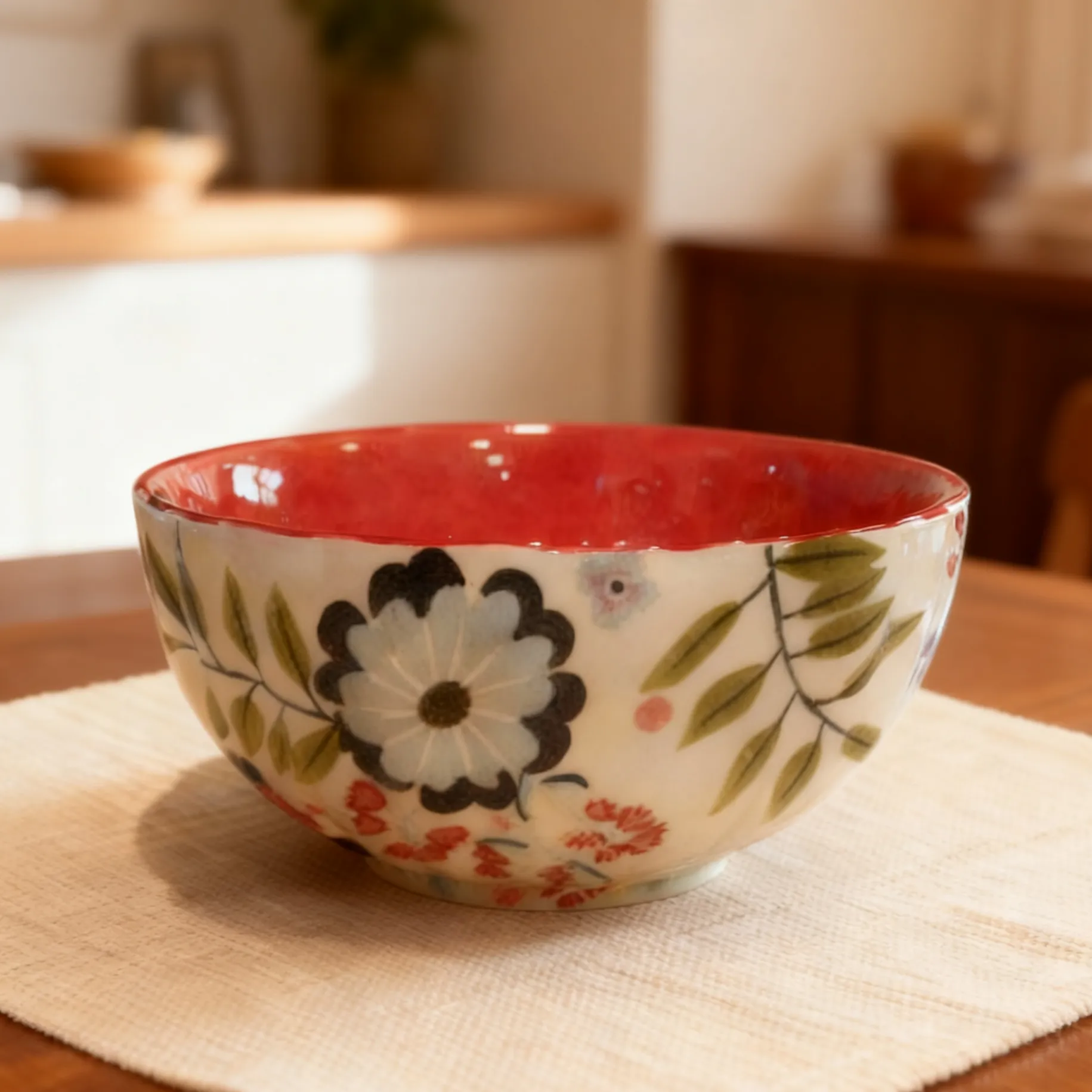
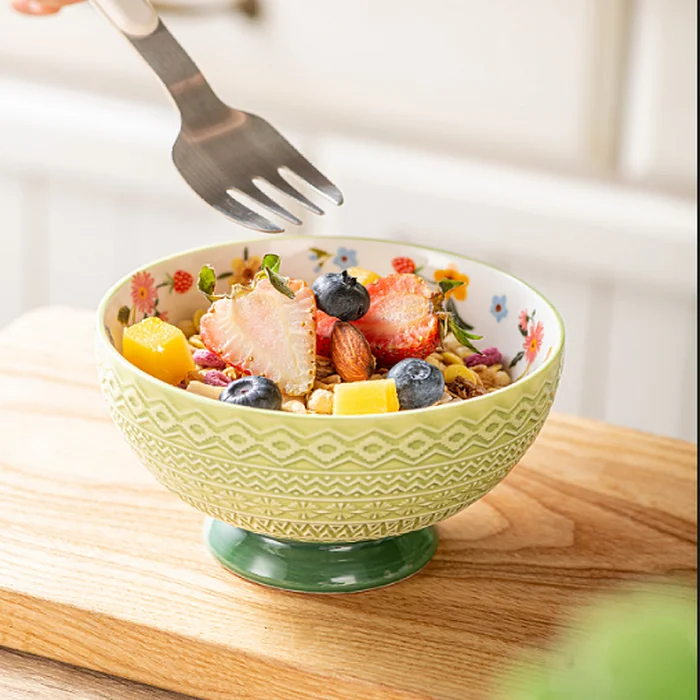
Medium-capacity cereal bowls are suitable for breakfast foods, yogurt, fruits, and light meals. They are commonly used in cafés, retail collections, and everyday dining ranges. Brands can develop custom ceramic bowls with different colors, shapes, and finishes to create a distinctive collection.
Soup Bowls
Deeper structures and higher sides make soup bowls suitable for soups, stews, noodles, and other hot dishes. They are widely used in restaurants, hotels, catering, and Asian foodservice collections.
Salad Bowls
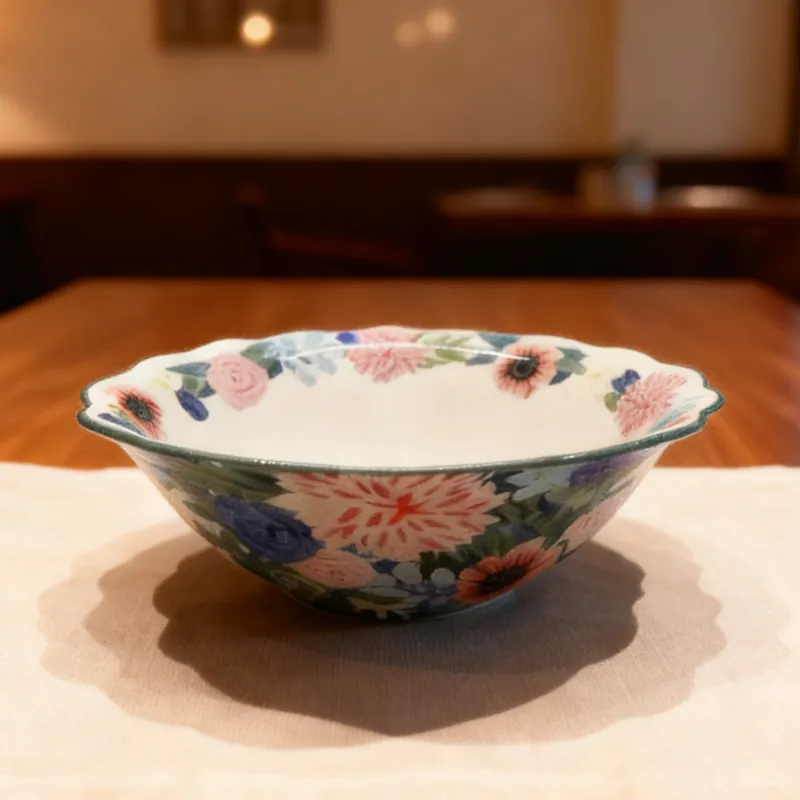
Wide openings and larger capacities provide enough space for mixing and food presentation. Salad bowls are suitable for restaurants, cafés, buffet service, and premium tableware collections.
Rice Bowls
Compact proportions and slightly flared rims make rice bowls suitable for rice, side dishes, and smaller portions. They are important products in Japanese, Chinese, and Korean tableware collections.
Serving Bowls
Large-capacity serving bowls are designed for shared dishes, buffet service, and family-style dining. They are widely used by restaurants, hotels, and catering businesses.
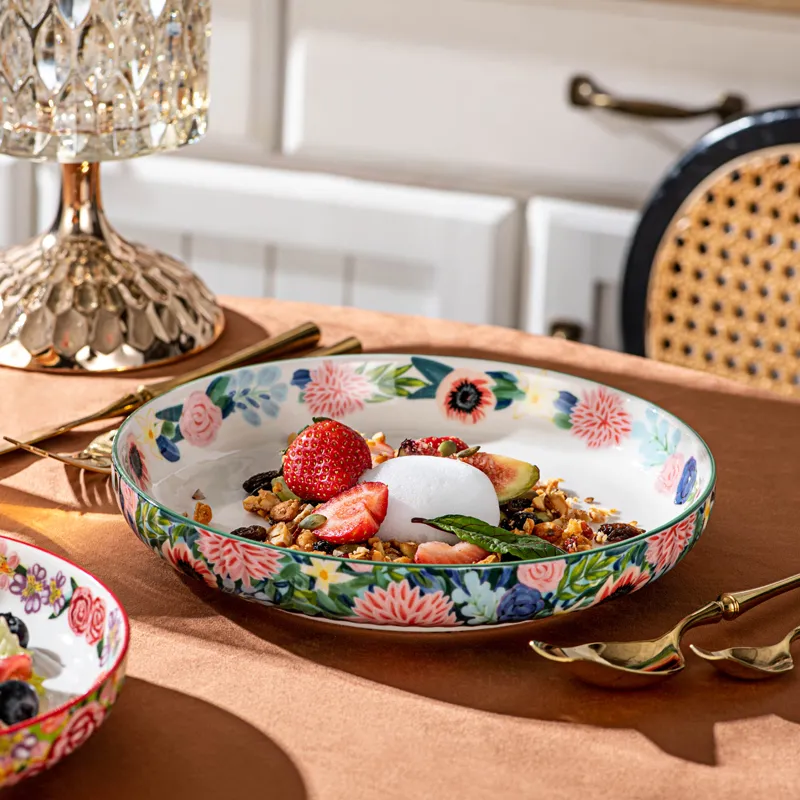
Other Ceramic Bowl Options
Other options include dessert bowls, mixing bowls, and ramen bowls. Combining several styles allows buyers to build broader collections of custom ceramic bowls for different markets and applications.
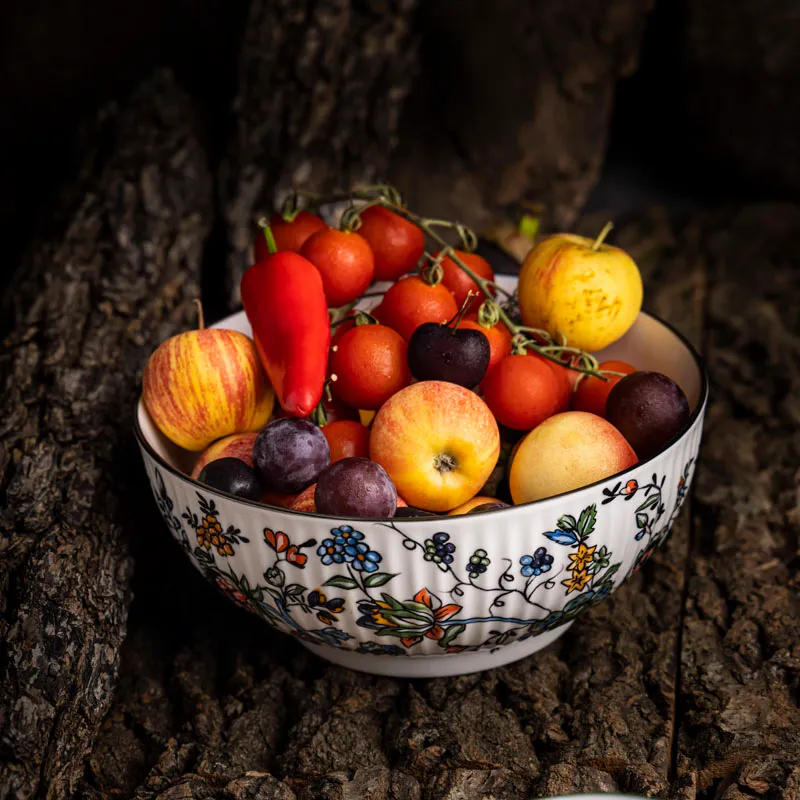
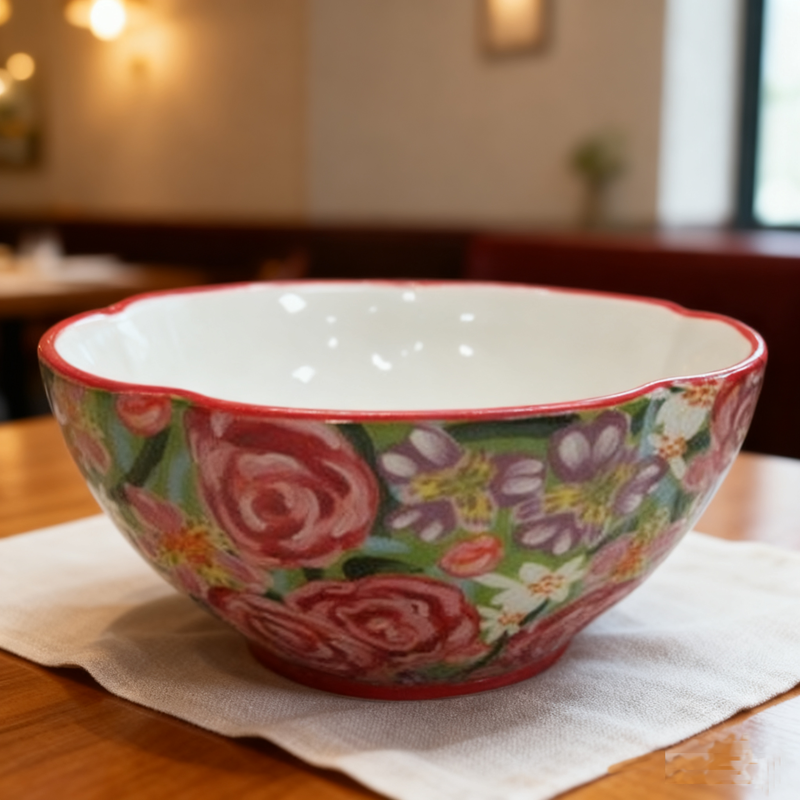
How to Select Custom Ceramic Bowls for Different Markets
Choosing custom ceramic bowls should involve more than appearance. B2B buyers should evaluate:
- Target Market: Consider regional preferences for colors, shapes, sizes, and decorative styles.
- Application & Material: Match bowl depth, diameter, capacity, and material with the intended foodservice or retail application.
- Customization & Order Volume: Check customization options, MOQ, initial bulk order requirements, and support for repeat purchasing.
- Production & Consistency: Evaluate quality control, production capacity, stacking requirements, and consistency across future batches.
These factors help brands develop custom ceramic bowls that fit specific commercial requirements instead of relying entirely on standard catalog products.
Customization Options for B2B Ceramic Bowl Projects
Customization allows brands and wholesalers to create products that better match their positioning and target customers.
Key options can include:
- Shape & Size: Different diameters, depths, capacities, and shapes for specific applications.
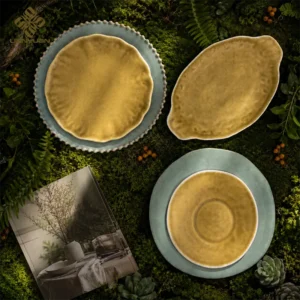
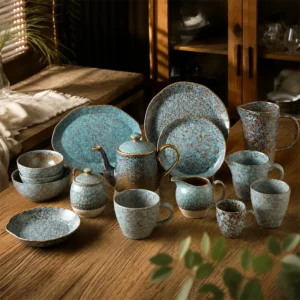
- Color & Finish: Glaze colors, textures, patterns, and decorative details.
- Logo & Branding: Private-label logos and branded designs for retail and hospitality programs.
- Packaging: Customized packaging for retail presentation and export requirements.
- Product Development: Custom designs developed from buyer concepts, drawings, or samples.
For buyers building differentiated collections, these options make custom ceramic bowls more adaptable to different market requirements.
What B2B Buyers Should Check Before Ordering
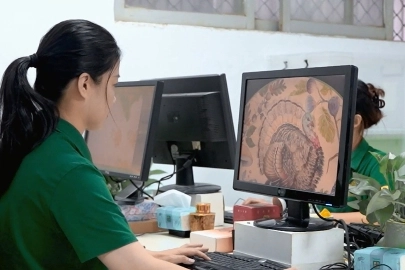
Before placing a bulk order, buyers should evaluate the manufacturer’s overall capabilities, not just the appearance of the finished bowl.
Important factors include:
- Product Development: Evaluate whether the manufacturer can develop custom shapes and dimensions and provide OEM/ODM support from the initial concept through production.
- Quality & Batch Consistency: Check ceramic material quality, product specifications, glaze and finish consistency, as well as quality control throughout production.
- Production & Order Fulfillment: Confirm whether the manufacturer can support your MOQ, bulk order volume, repeat orders, and stable production schedules.
- Export Readiness: Consider customized packaging and relevant market certifications to ensure the products are suitable for your target market and export requirements.
For long-term wholesale and private-label programs, these capabilities are essential when sourcing custom ceramic bowls at scale.e.
Lianyuan: Custom Ceramic Bowl Manufacturing from Mold to Mass Production
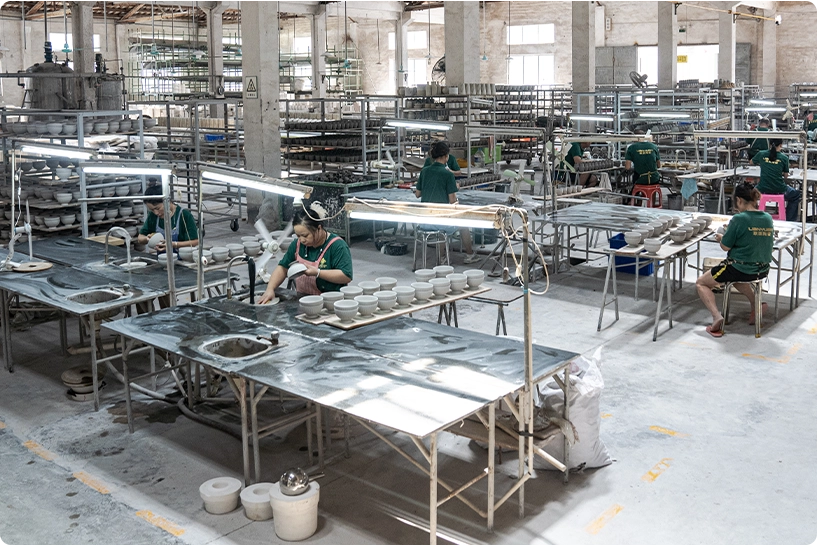
Established in 1993, Lianyuan is a professional ceramic tableware manufacturer specializing in dinnerware, serveware, tea sets, casseroles, bakeware, home décor, and custom ceramic bowls.
Lianyuan combines an in-house mold workshop, skilled craftsmanship, and OEM/ODM capabilities to support product development from concept to mass production. Its mold development capability allows buyers to create customized shapes and designs while improving the transition from prototypes to finished products.
Lianyuan also supports customization across:
- Materials and ceramic body options
- Shapes and dimensions
- Colors and surface finishes
- Patterns and branding
- Retail and export packaging
With BSCI, ISO, and CA Prop 65 certifications, Lianyuan provides manufacturing support for global brands, wholesalers, and hospitality buyers seeking reliable custom ceramic bowls and coordinated tableware collections.
Conclusion
For B2B buyers, custom ceramic bowls can be an important part of a differentiated tableware collection rather than simply standard serving products. The right combination of bowl types, materials, dimensions, finishes, and branding can help businesses respond to different markets and foodservice requirements.
With more than 30 years of manufacturing experience, mold development, OEM/ODM services, and scalable production, Lianyuan helps global buyers turn bowl concepts into market-ready tableware collections. Contact Lianyuan to explore your custom ceramic bowl project and find the right solution for your market and brand needs.