

As global brands, retailers, and hospitality businesses focus more on sustainable sourcing, eco-friendly ceramic tableware has become a key product category for companies seeking better brand value and market differentiation. Buyers now look for tableware solutions that combine responsible materials, reliable performance, and attractive designs to meet evolving customer expectations.
What is Eco-Friendly Tableware?
Eco-friendly tableware refers to products that reduce environmental impact throughout their lifecycle, including material selection, production, use, and disposal. These products are made from safer, more sustainable, or recyclable materials and are designed to minimize waste while maintaining reliable performance.
For businesses, choosing eco-friendly tableware is not only about sustainability but also about product durability, compliance, and long-term market value.
Why Is Eco-Friendly Ceramic Tableware Becoming Increasingly Popular?
Growing demand for sustainable products is reshaping the global tableware market. For brands, retailers, and hospitality buyers, eco-friendly tableware offers opportunities to meet changing market expectations while improving product value.
Environmental Impact
Businesses are moving away from single-use plastic products and exploring more sustainable materials. Options such as natural clay, recycled minerals, and recyclable materials can help reduce environmental impact while supporting responsible production practices.
Long-Lasting Durability
Eco-friendly tableware is not about creating disposable products with a greener image. Long service life is also an important part of sustainability. Ceramic, glass, and stainless steel tableware can reduce replacement frequency, helping businesses lower waste and improve long-term value.
Health and Safety
Food safety has become a key concern for both consumers and commercial buyers. Eco-friendly tableware made from food-grade materials provides a safer solution while helping businesses meet strict market requirements and customer expectations.
Growing Market Awareness
Sustainability is becoming an important factor in purchasing decisions. More brands and buyers are investing in environmentally responsible products to strengthen their market positioning and respond to growing demand for greener lifestyles.
Common Materials for Eco-Friendly Tableware
Different materials offer different advantages in sustainability, performance, and application scenarios. For businesses, selecting the right material depends on product positioning, target markets, and usage requirements.
Bamboo Fiber Tableware: Renewable and Lightweight
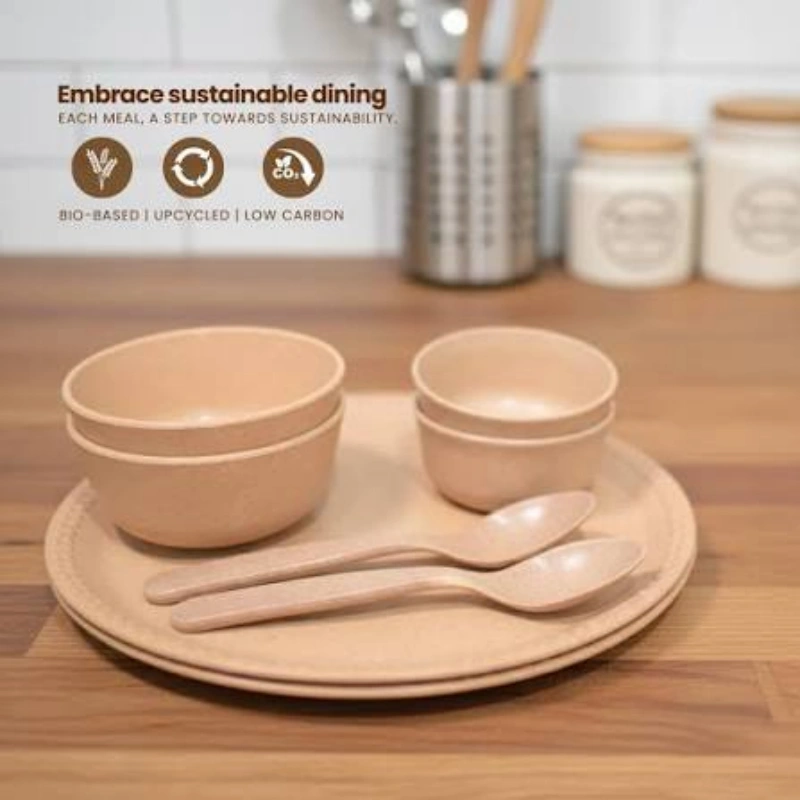
Bamboo fiber tableware is lightweight, portable, and suitable for casual dining, outdoor use, and children’s products. However, buyers should carefully evaluate material composition, safety certifications, and production standards to ensure genuine sustainability.
Ceramic Tableware: A Sustainable Choice for Premium Tableware Brands
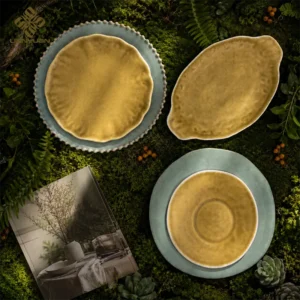
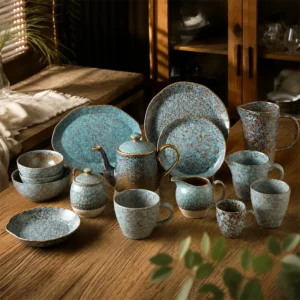
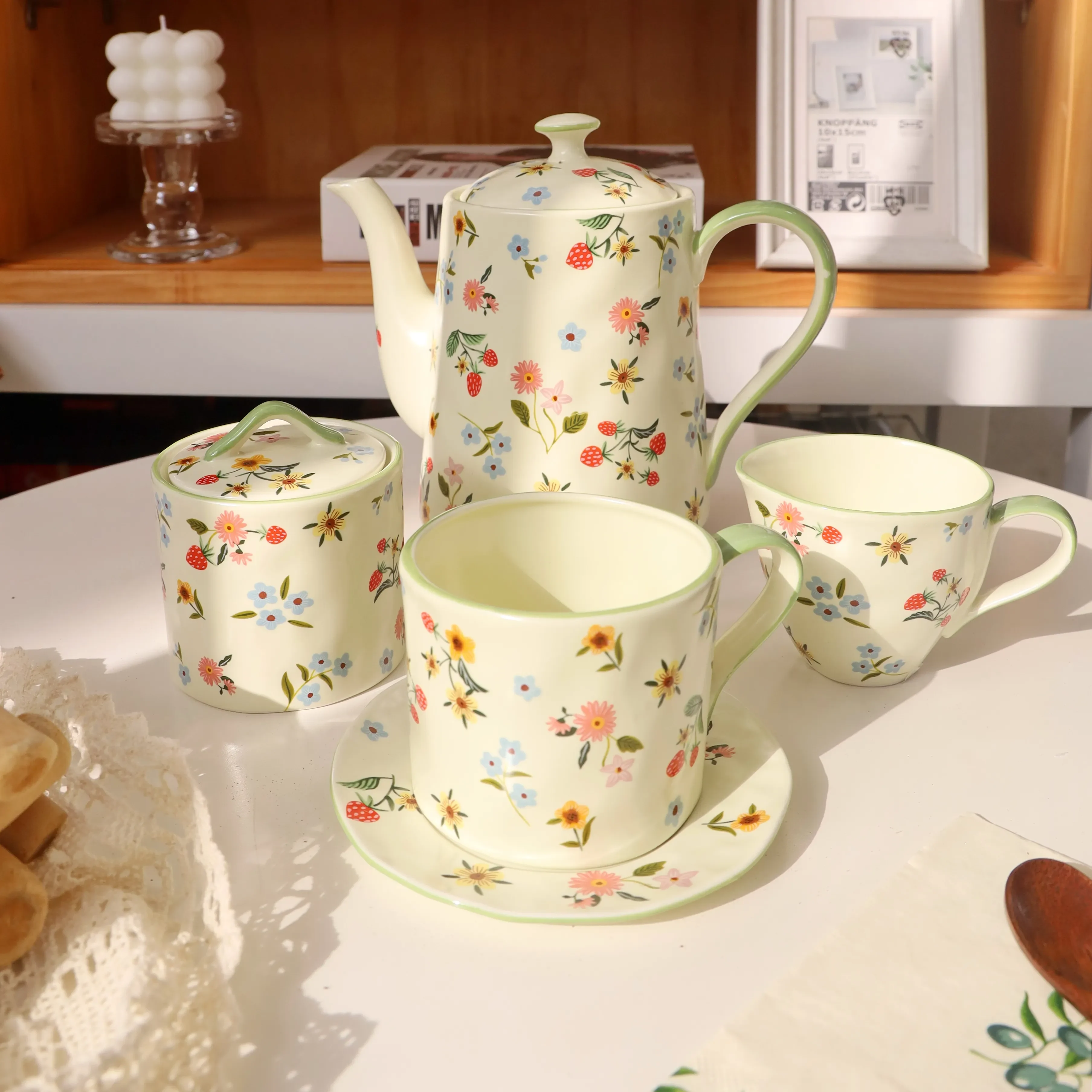
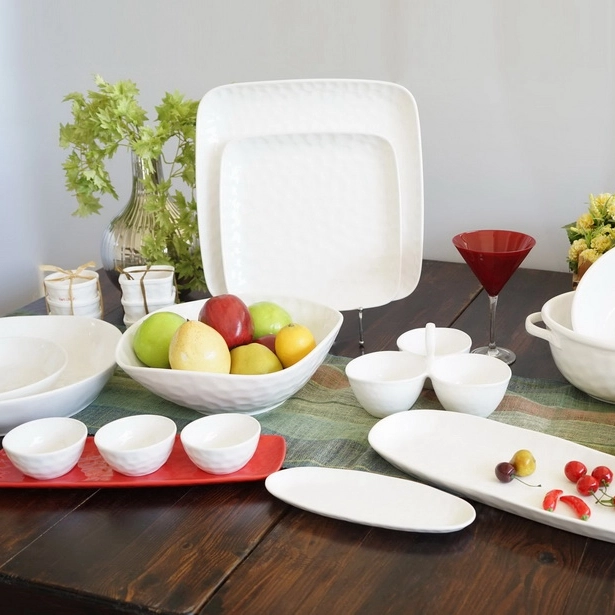
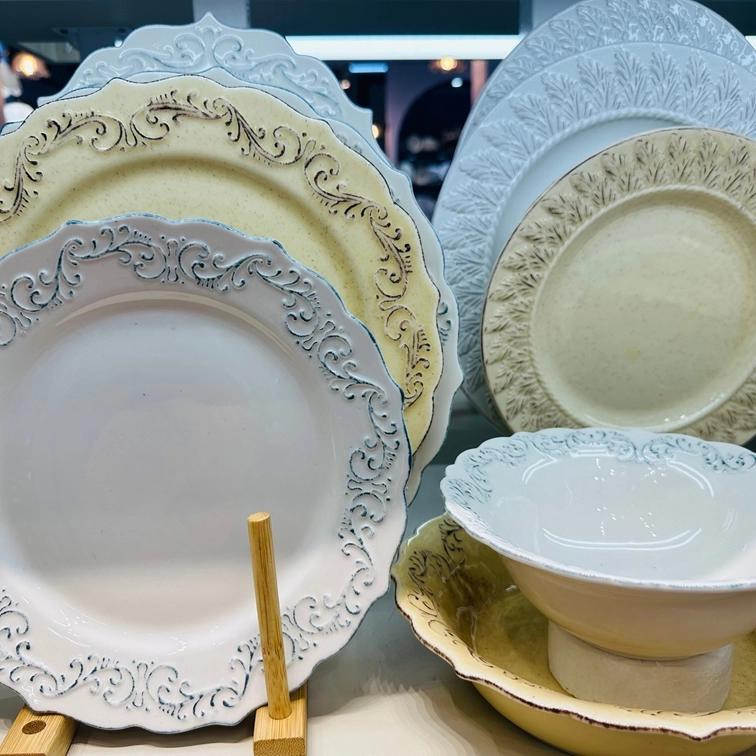
Ceramic tableware is made from natural clay and minerals, offering long-lasting durability and premium aesthetics. Its non-porous surface, food safety advantages, and ability to support various designs make it a preferred choice for high-end brands, restaurants, and hospitality projects. Choosing suppliers with efficient production processes can further improve sustainability.
Glass Tableware: Reusable and Non-Toxic
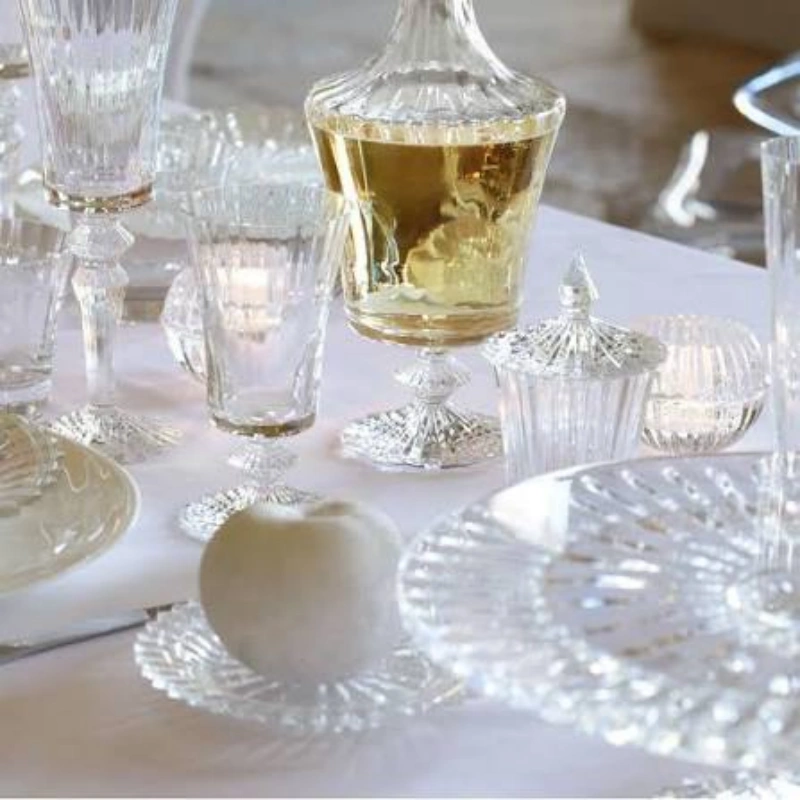
Glass tableware is recyclable, chemical-free, and suitable for brands seeking transparent and modern designs. However, its fragile nature requires reliable packaging solutions and careful transportation planning for commercial orders.
Stainless Steel Tableware: Durable and Built for Long-Term Use
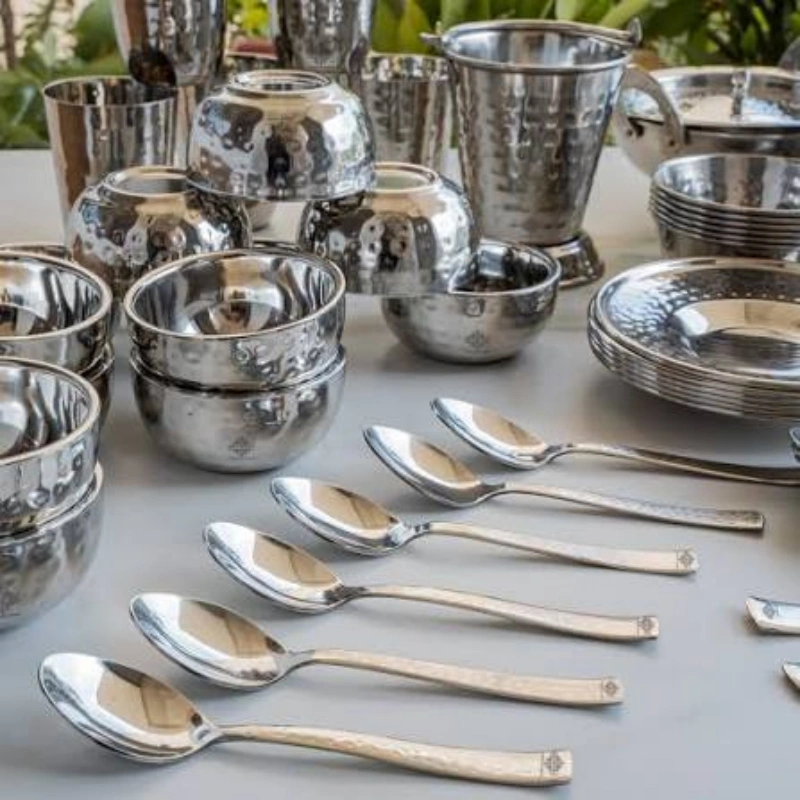
Stainless steel tableware provides excellent corrosion resistance, strength, and reusability, making it suitable for catering and foodservice applications. When sourcing stainless steel products, buyers should focus on food-grade materials such as 304 stainless steel to ensure safety and long-term performance.
Beyond Sustainability: Why Performance Matters When Choosing Eco-Friendly Tableware
For buyers, eco-friendly tableware should not only meet sustainability goals but also deliver reliable performance, safety, and long-term value.
Food Safety Performance
Eco-friendly tableware should comply with food contact safety standards, including:
- Heavy metal testing;
- Lead and cadmium migration testing;
- Food safety certifications.
Durability Performance
Long-lasting products help reduce waste and replacement costs. For ceramic tableware, buyers should consider:
- Impact resistance;
- Glaze stability;
- Dishwasher and microwave suitability.
Design and User Experience
Modern buyers also value products that combine sustainability with practical and aesthetic appeal, including:
- Attractive designs;
- Comfortable use;
- Flexible styles for different markets.
How to Choose Suitable Eco-Friendly Tableware
Choosing the right eco-friendly tableware requires balancing sustainability, durability, design, and business needs. Different application scenarios and market positions may require different material choices.
Usage Scenarios:
- Retail Collections: Brands should focus on attractive designs, reliable quality, and product differentiation. Ceramic tableware is a popular choice for premium collections due to its elegant appearance and long service life.
- Restaurants & Hotels: Commercial buyers should consider durability, stackability, cleaning efficiency, and daily usage frequency. High-quality ceramic tableware is suitable for upscale dining environments that require both performance and aesthetics.
Target Market Positioning:
- Budget-Friendly Markets: Buyers may prioritize cost-effective materials while maintaining basic sustainability requirements.
- Premium Markets: Luxury brands and hospitality projects usually prefer ceramic and glass tableware for their refined appearance, customization options, and long-term value.
Product Requirements:
Consider factors such as food safety certifications, durability, design flexibility, and customization capabilities when selecting products for different markets.
How to Choose a Suitable Eco-Friendly Ceramic Tableware Supplier
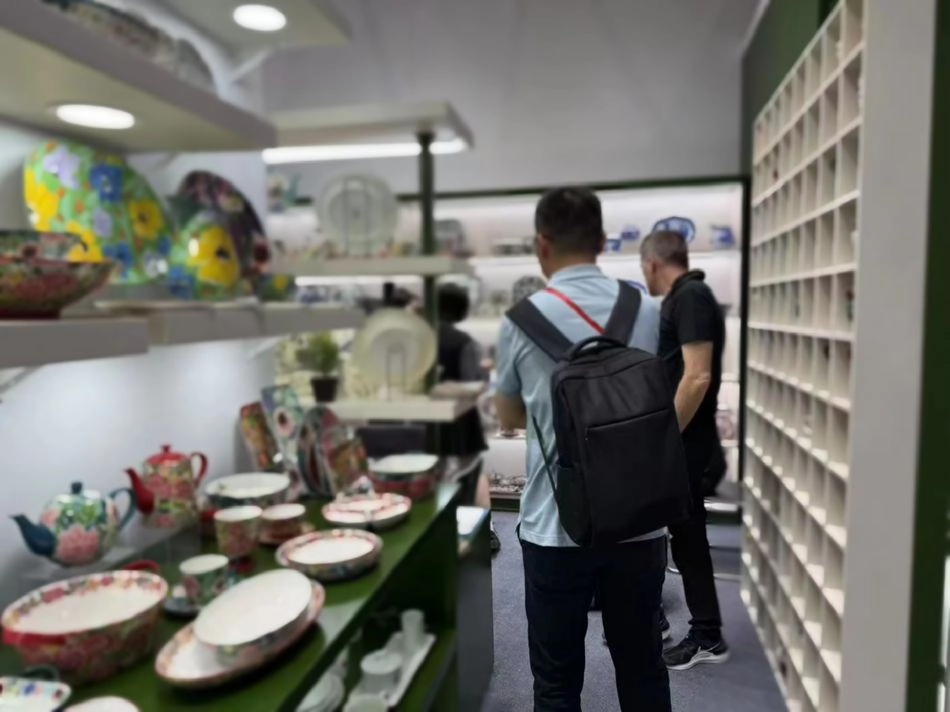
When selecting an eco-friendly ceramic tableware supplier, cost is only one part of the decision-making process. Buyers should also evaluate manufacturing capability, quality standards, customization services, and long-term cooperation potential.
Stable Production Capacity
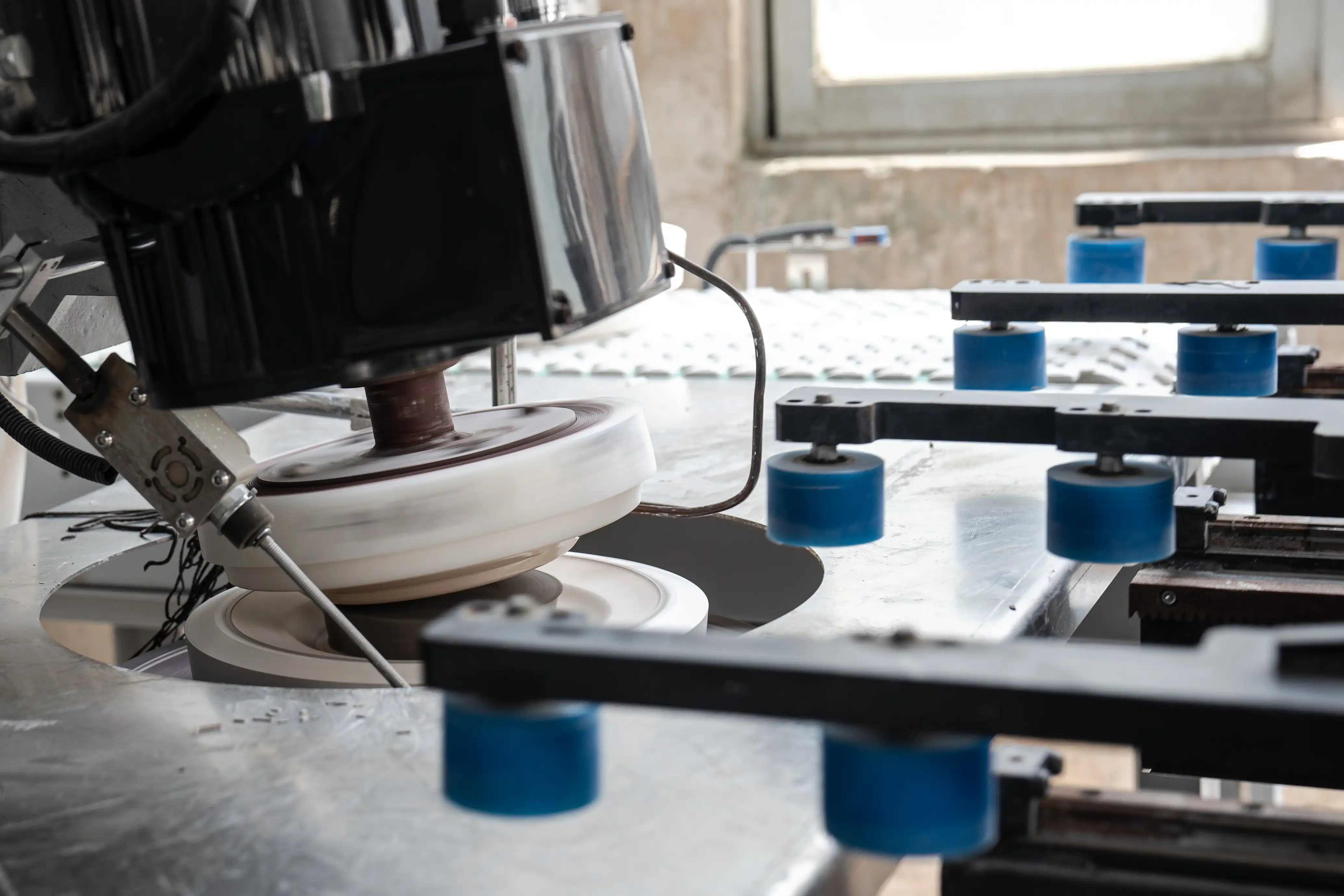
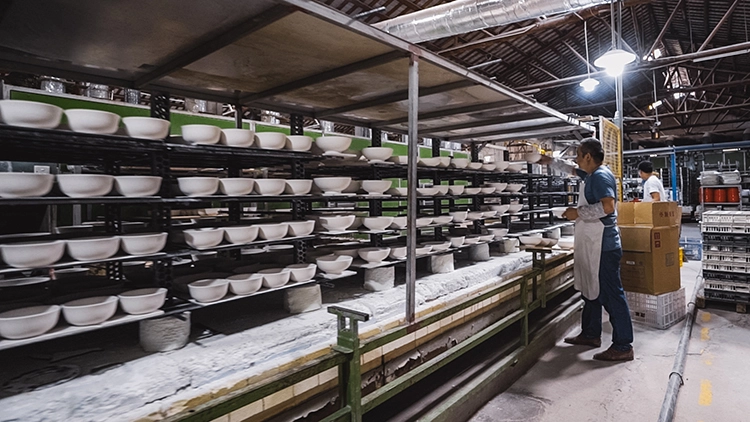
A reliable supplier should have stable production systems, strict material control, and consistent quality inspections to ensure every batch meets commercial requirements.
OEM & ODM Solutions
Professional manufacturers should provide flexible OEM and ODM services, helping brands develop customized tableware designs, create unique collections, and bring new product concepts to market.
Product Development & Mold Capability
Suppliers with in-house mold development can support faster prototyping, unique product designs, and efficient production processes, providing greater flexibility for customized tableware projects.
Certifications & Compliance for Global Markets
Export-oriented suppliers should provide certifications and testing documents, such as FDA and LFGB compliance, to ensure products meet international food safety standards.
Customization and Brand Support
Strong suppliers can provide customized packaging, private label solutions, and design support, helping businesses build distinctive product collections and strengthen brand value.
Eco-Friendly Tableware Trends in 2026
The future of the eco-friendly tableware market will focus not only on sustainable materials but also on better design, customization, and overall product value.
Sustainable Design
Brands and buyers are increasingly looking for tableware that reduces environmental impact throughout its lifecycle, from material selection to production and long-term use.
Personalized Customization
As market competition increases, customized designs, private label solutions, and unique product styles are becoming important advantages for brands seeking differentiation.
The Integration of Sustainability and Aesthetics
Future eco-friendly tableware will need to balance three key factors:
Sustainable Materials + Practical Performance + Premium Design
Only by combining environmental responsibility with functionality and visual appeal can eco-friendly tableware become a long-term market opportunity rather than a temporary trend.
Why Choose Lianyuan Ceramics?
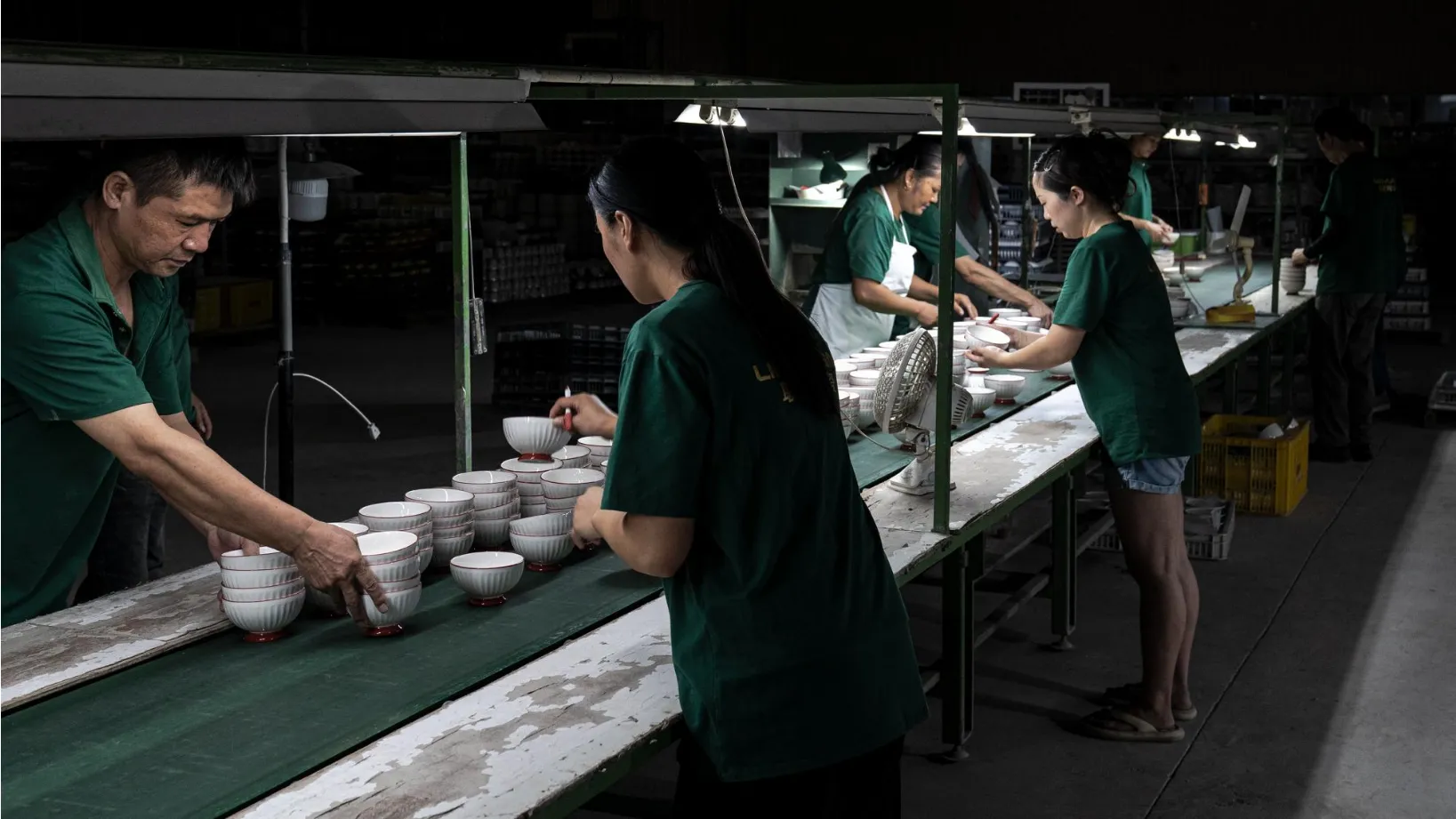
Established in 1993, Lianyuan is a professional ceramic tableware manufacturer serving global brands, wholesalers, and hospitality buyers.
- 30+ Years of Experience: Experienced in ceramic tableware manufacturing with reliable quality control.
- Mold Development Capability: Supports unique designs and efficient product development.
- OEM & ODM Solutions: Provides customized designs, packaging, and private label services.
- Global Quality Standards: Lianyuan follows strict quality management systems and provides certified ceramic tableware solutions for global markets.
From custom projects to bulk orders, Lianyuan helps partners create high-quality ceramic tableware collections with reliable manufacturing support.
Conclusion
Eco-friendly ceramic tableware is becoming an important opportunity for brands to achieve sustainable growth and product differentiation. With over 30 years of ceramic manufacturing experience, Lianyuan Ceramics supports global brands and wholesalers with customized ceramic dinnerware solutions. Contact Lianyuan today to create high-quality, sustainable collections for your market.