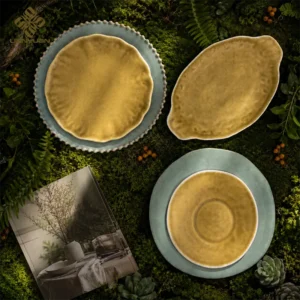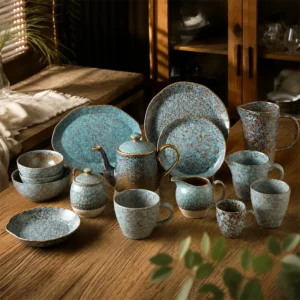


In the ceramic dinnerware wholesale market, many products may look similar, but their durability, consistency, and long-term performance can vary significantly. For restaurants, hotels, and distributors, a wrong purchasing decision can lead to hidden costs such as cracking, inconsistent batches, and high breakage rates during shipping. The key issue is simple: most ceramic tableware quality problems are not created during use; they are overlooked before the order is placed. That’s the reason why a structured inspection process before confirming bulk orders is important.
Why Quality Inspection Matters in Bulk Purchasing
When sourcing wholesale ceramic tableware, even small defects become major risks at scale.
- A 1% defect rate can mean 100 defective items in a 10,000-piece order
- Minor color variation becomes visible across the full table settings
- Weak glaze can deteriorate quickly in commercial environments
Professional buyers focus not only on product quality, but on consistency and controllability.
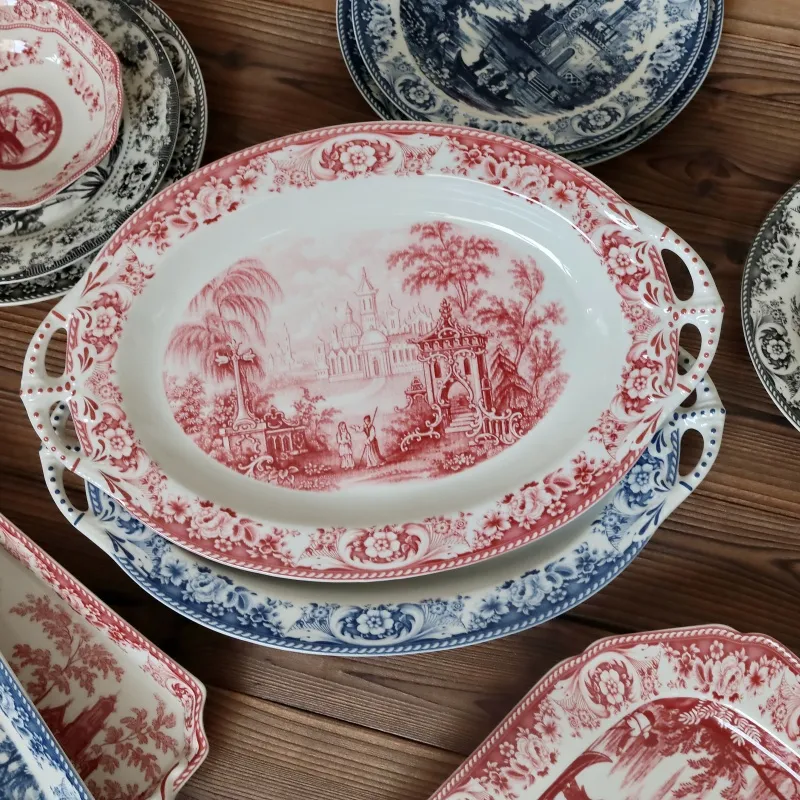
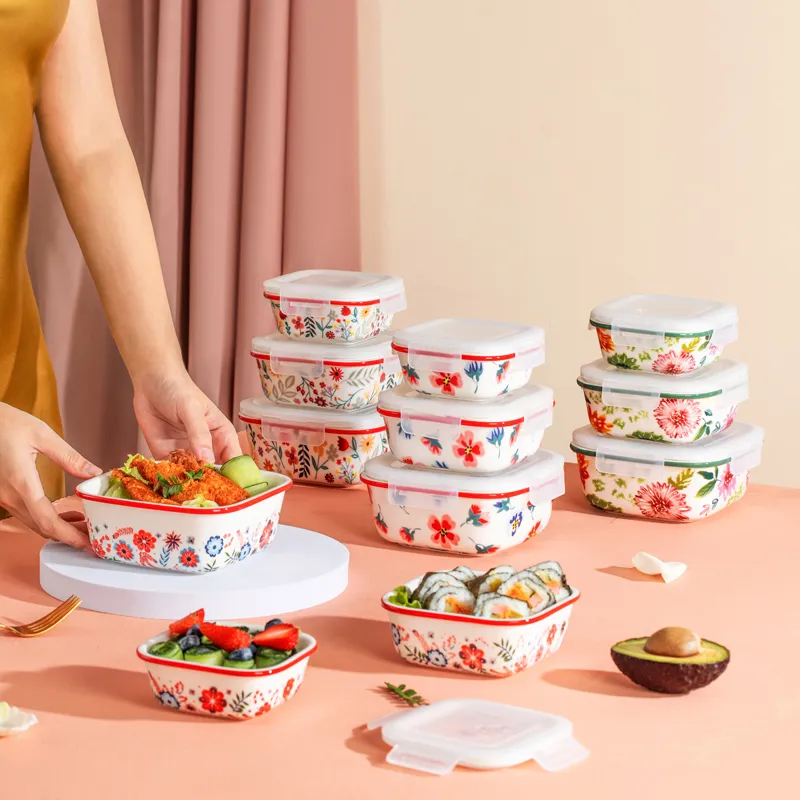
A Practical Buyer’s Checklist for Ceramic Tableware Quality Inspection
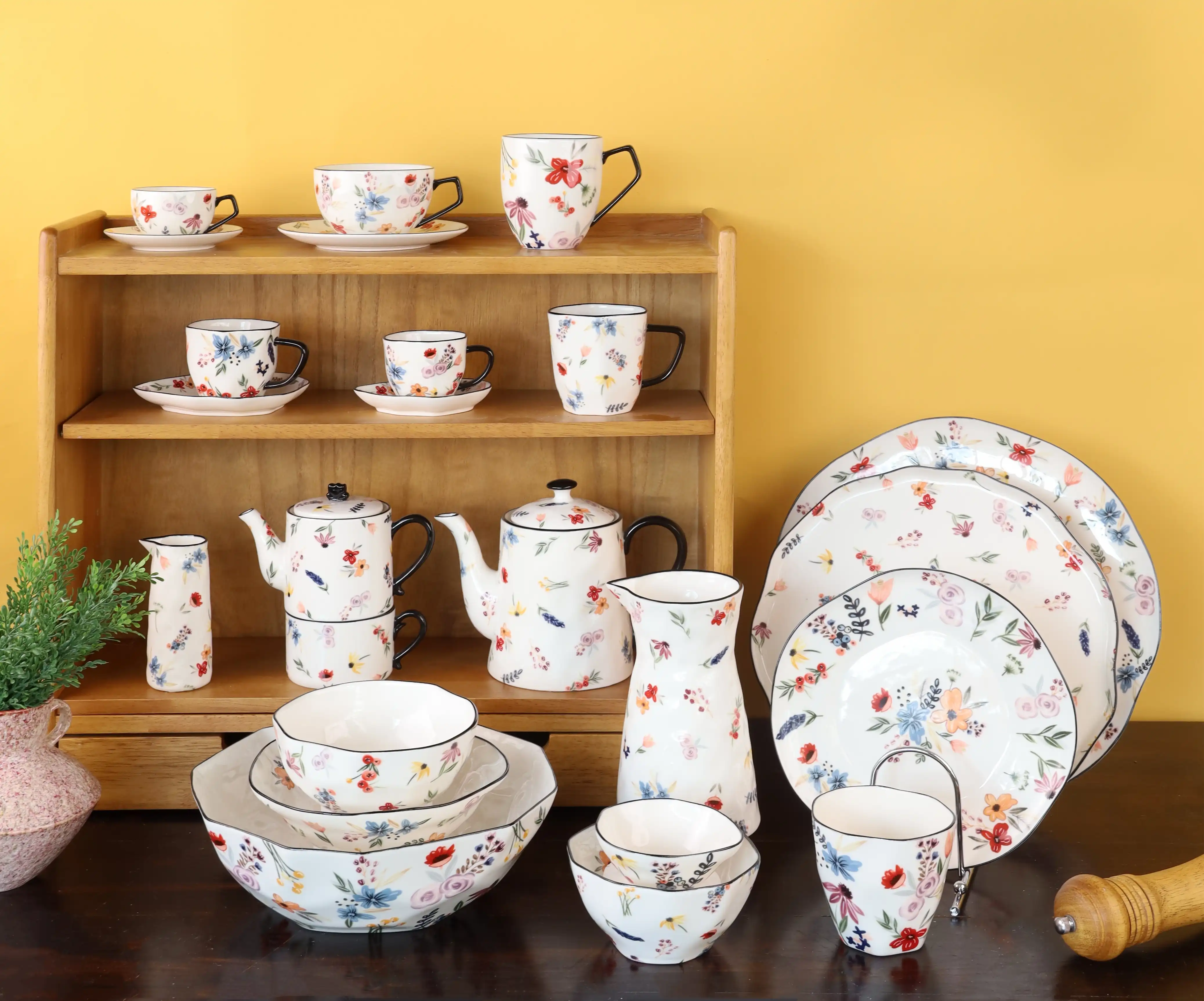
Lianyuan, a professional ceramic dinnerware manufacturer, provides a practical guide to evaluating wholesale ceramic tableware based on 7 key factors before placing a bulk order.
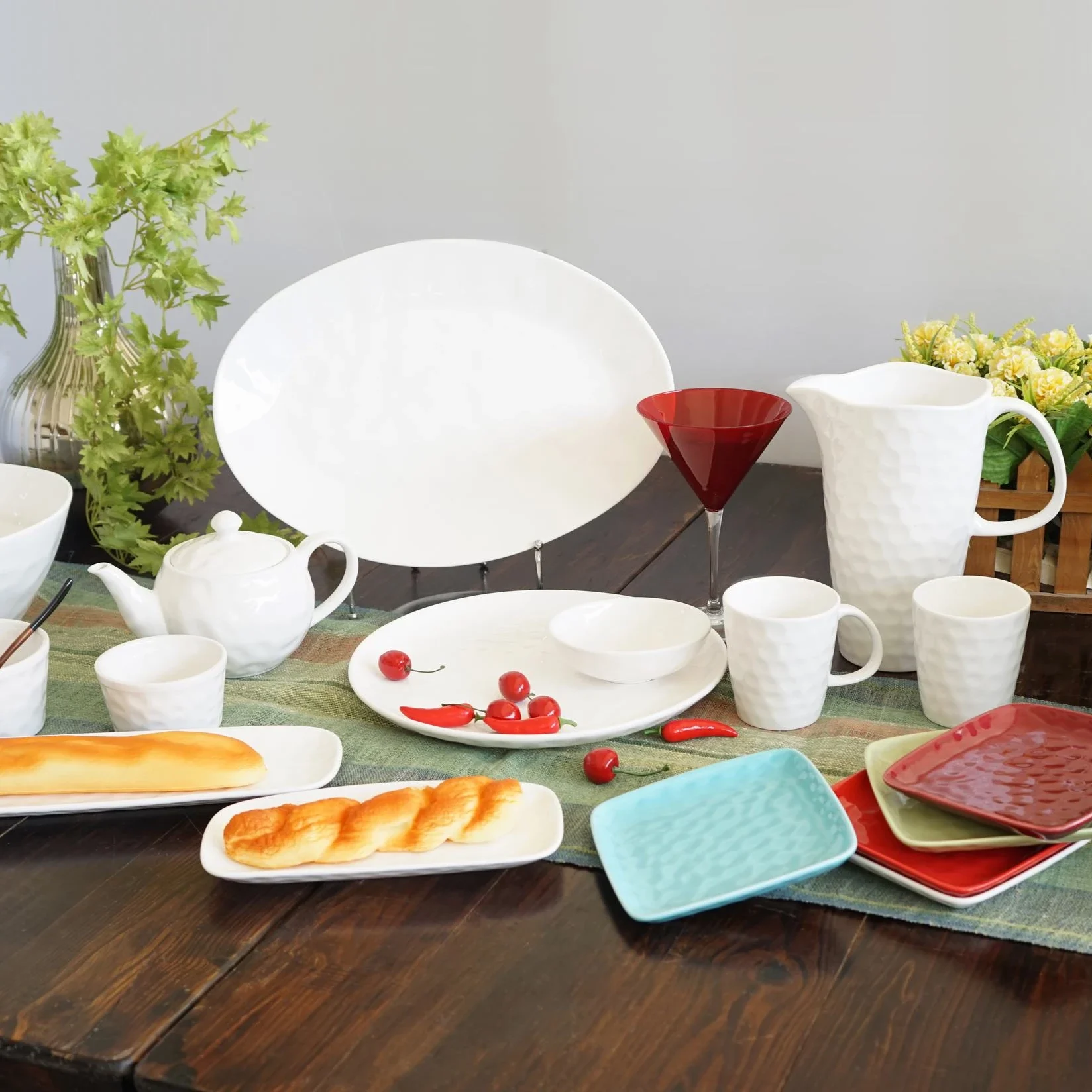
Appearance and Dimensional Consistency
Inconsistent shapes or sizes affect both presentation and usability.
What to check:
- Uniform diameter, height, and capacity
- Warping or deformation
- Chipped or uneven edges
How to inspect:
- Random sampling (AQL standard recommended)
- Stack test for stability
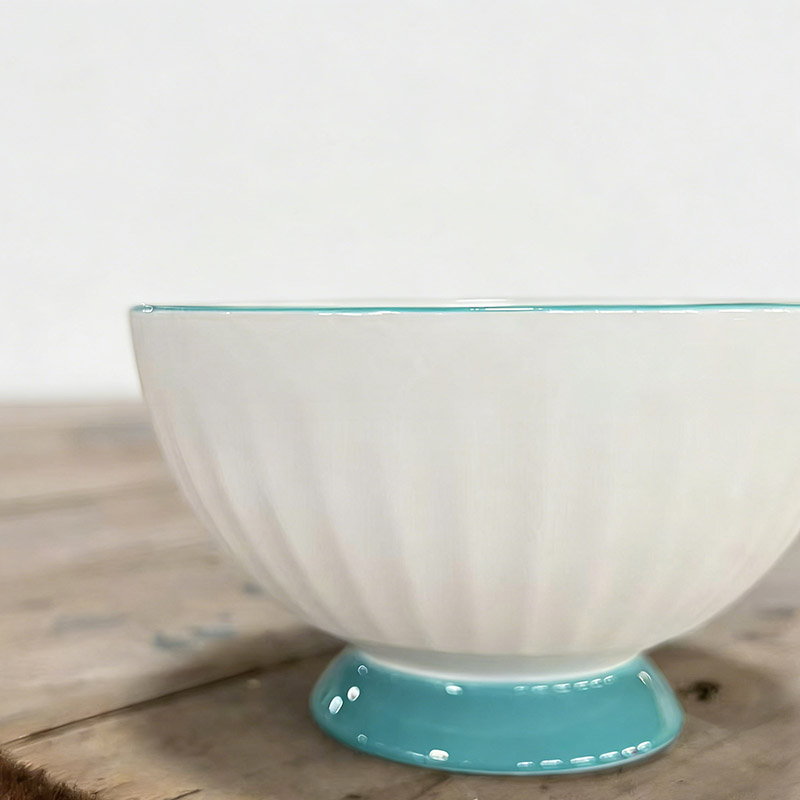
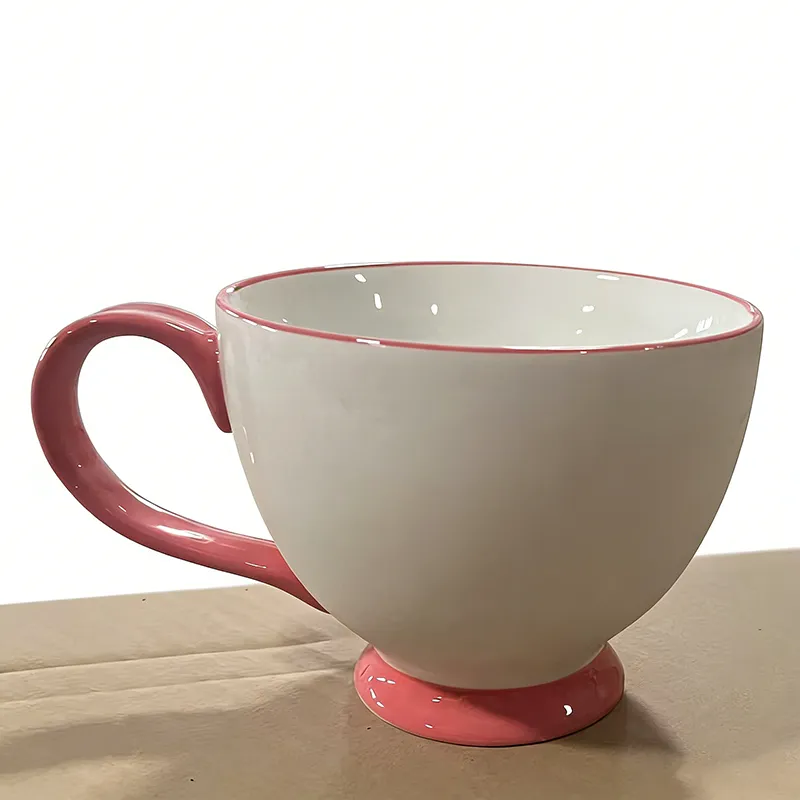
Glaze Quality Inspection
Glaze impacts both appearance and food safety.
What to check:
- Pinholes, bubbles, or uneven coating
- Color variation
- Surface smoothness
Inspection method:
- Check under strong lighting
- Touch test for smoothness
Risk: Poor glaze quality can lead to staining, hygiene issues, and customer complaints.
Firing Quality and Structural Strength
Firing determines the core durability of ceramic tableware.
What to check:
- High firing temperature (≥1280°C)
- Clear ringing sound when tapped
- No hidden cracks
Simple tests:
- Light tapping test
- Thermal shock test (hot water exposure)
Functional Suitability for Commercial Use
Not all ceramics are suitable for commercial environments.
Key checks:
- Dishwasher safe (high-temperature cycles)
- Microwave safe (no metallic glaze)
- Scratch resistance
Common issues:
- Glaze cracking in dishwashers
- Safety risks in microwave use
Packaging and Shipping Protection
Shipping is one of the highest-risk stages in ceramic tableware wholesale.
What to check:
- Inner packaging (paper pulp trays preferred)
- Export-grade cartons (5-layer or 7-layer)
- Pallet stacking strength
Risk: Poor packaging leads to hidden losses during transportation.
Material Type Verification
In the wholesale market, “ceramic” includes several material types:
| Material | Features | Best Use |
|---|---|---|
| Porcelain | Dense, durable, refined appearance | Hotels, fine dining |
| Stoneware | Thicker, rustic style | Casual dining |
| Earthenware | Porous, lower strength | Decorative use |
For most B2B buyers, porcelain tableware wholesale is the preferred choice.
Supplier Capability and Batch Consistency
Sample quality does not always reflect mass production consistency.
What to evaluate:
- Production capacity and automation level
- Quality control system
- OEM / ODM capability
- Lead time stability
Key insight: Product quality depends as much on the manufacturer as on the product itself.
Work With a Reliable Ceramic Tableware Manufacturer
In bulk sourcing, choosing the right supplier is critical for long-term stability.
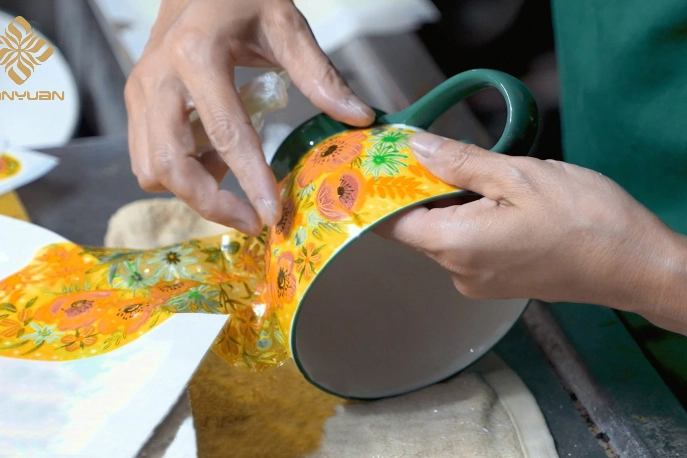
Lianyuan provides professional ceramic tableware manufacturing solutions for global B2B buyers.
- High-temperature firing for durability
- Strict glaze quality control
- Stable mass production capacity
- OEM & ODM customization services
Instead of just supplying products, experienced manufacturers offer complete sourcing solutions.
Conclusion
When purchasing ceramic tableware wholesale, real differences come from materials, manufacturing processes, packaging, and supplier capability. A structured inspection checklist helps buyers reduce risks, control costs, and ensure a stable supply.
Contact Lianyuan today to get ceramic tableware samples, customized solutions, and competitive bulk pricing.