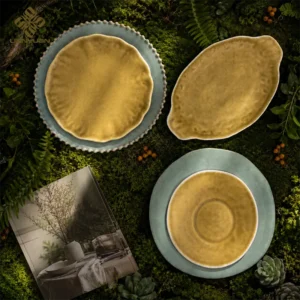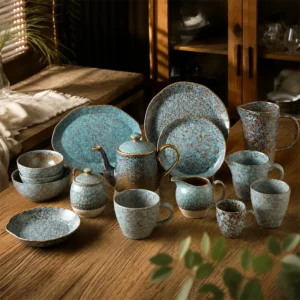


In the wholesale market, ceramic tableware may look similar at first glance, but performance, durability, and long-term cost can vary significantly. For restaurants, hotels, and distributors, choosing the wrong supplier often leads to hidden issues, including cracking, inconsistent batches, and glaze defects. This guide outlines the key factors buyers should evaluate when purchasing ceramic tableware wholesale, helping you reduce risk and choose the right supplier.
Define Usage Scenarios Before Comparing Products
Before comparing materials or prices, clarify how the tableware will be used. Different commercial environments require different specifications:
- Restaurants: Require durability and high turnover resistance
- Hotels: Focus on design consistency and premium finish
- Catering: Need impact resistance and easy handling
Common product categories include dinner plates, soup bowls, and coffee cups. Always prioritize function over appearance in B2B purchasing.
Firing Temperature Determines Core Quality
The biggest difference between high-quality and low-quality ceramics is the firing temperature.
- High-fired ceramics (≈1280°C+): Dense, strong, low water absorption
- Low-fired ceramics: More porous, less durable, lower cost
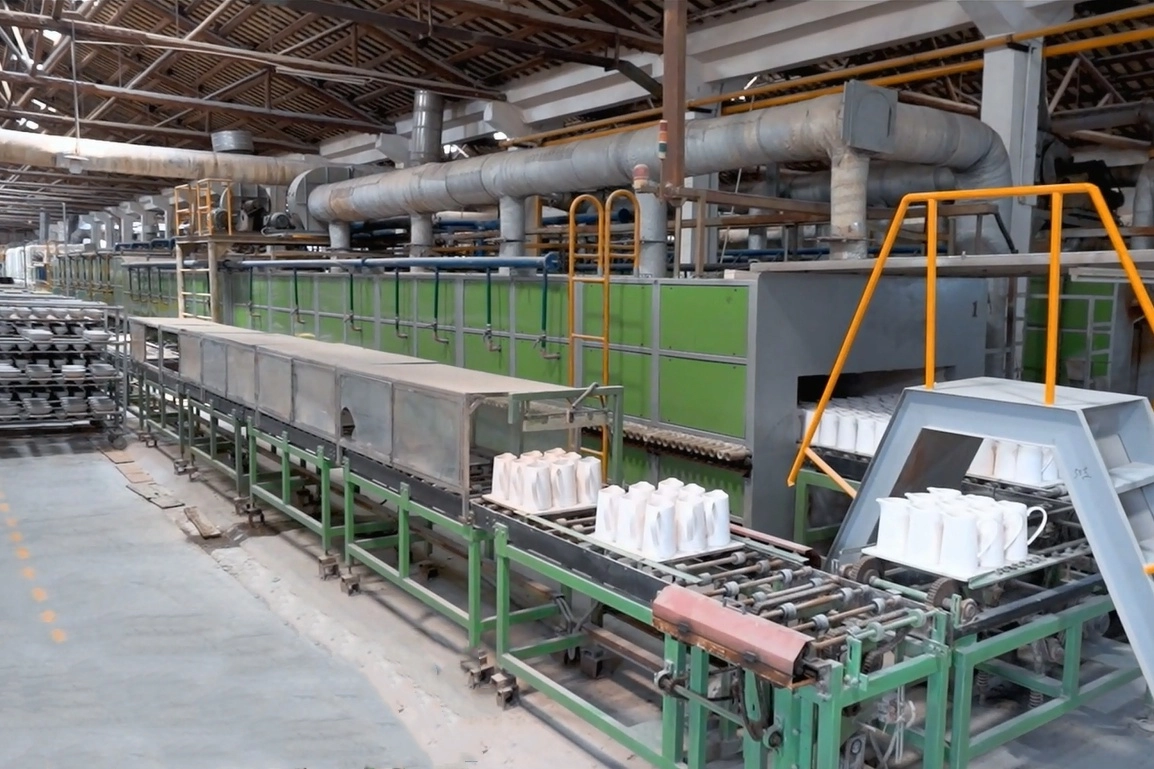
Stable kiln control is equally important. Temperature fluctuations can cause color inconsistency, warping, and reduced durability. For bulk orders, consistency across batches is critical.
Evaluate Glaze Quality Carefully
Glaze is not just decorative; it protects the ceramic surface.
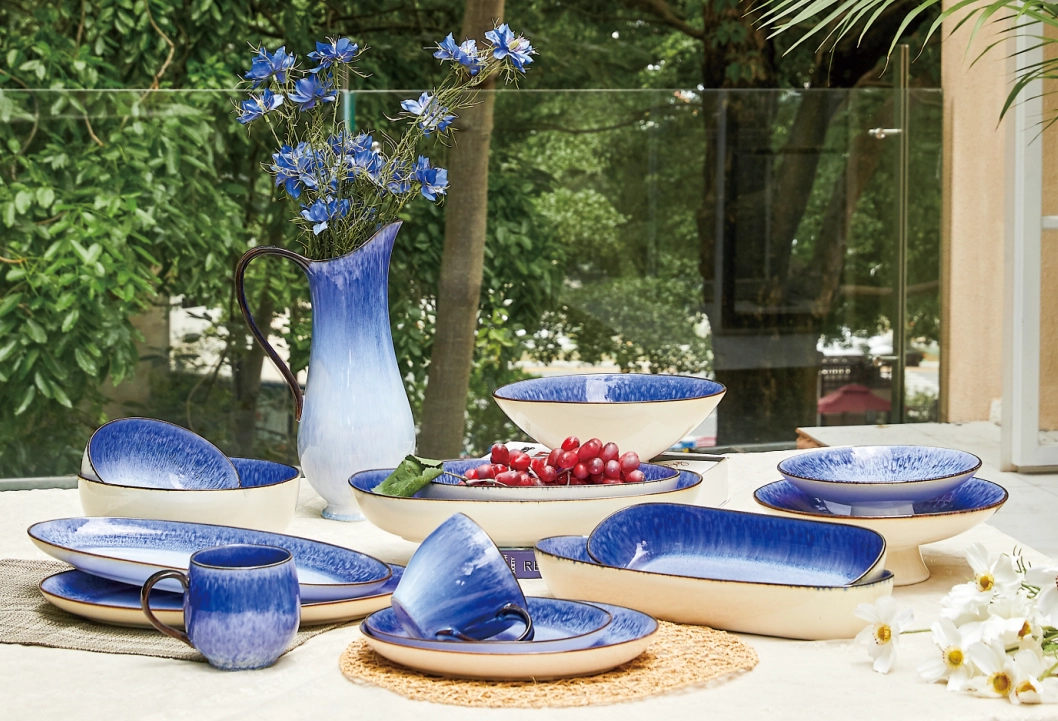
High-quality glaze offers a smooth, non-porous surface with scratch and stain resistance, and food safety compliance. Common defects in low-quality glaze include pinholes or bubbles, uneven coating, and fast wear in dishwashers.
Tip: Always inspect samples under strong lighting before placing bulk orders.
Check Dishwasher and Microwave Compatibility
Not all ceramic tableware is suitable for modern commercial use.
Microwave Safety: Avoid ceramic tableware with metallic finishes such as gold or silver rims. These can cause sparking and damage.
Dishwasher Durability: Commercial dishwashers expose tableware to high heat and rapid temperature changes.
Low-density ceramics may develop micro-cracks, glaze damage, and structural failure over time. For hospitality buyers, thermal shock resistance is a non-negotiable parameter.
Packaging Matters in Wholesale Orders
In international trade, packaging plays a key role in preventing damage during shipping.
- Inner protection: Paper pulp trays are more stable than foam
- Outer cartons: Use 5-layer or 7-layer export-grade cartons
- Stacking strength: Must withstand pallet pressure
Poor packaging is a major cause of hidden losses in bulk ceramic shipments.
Understand Ceramic Tableware Material Types
“Ceramic” is a broad category. Buyers should clearly distinguish material types:
| Material | Features | Best Use |
|---|---|---|
| Porcelain | Dense, smooth, durable, premium appearance | Hotels, fine dining |
| Stoneware | Thicker, rustic style, strong | Casual restaurants |
| Earthenware | Porous, lower strength, cost-effective | Decorative or light use |
For most B2B buyers, porcelain is the preferred choice.
Evaluate the Manufacturer Carefully
Choosing the right ceramic tableware supplier is critical for long-term success.
OEM vs ODM
- OEM: For buyers with existing designs
- ODM: For brands needing product development
Key Capabilities to Check
- Mold development capability
- Production capacity
- Automation level
- Batch consistency control
- Sample turnaround time
Work With Lianyuan, an Experienced Ceramic Tableware Manufacturer
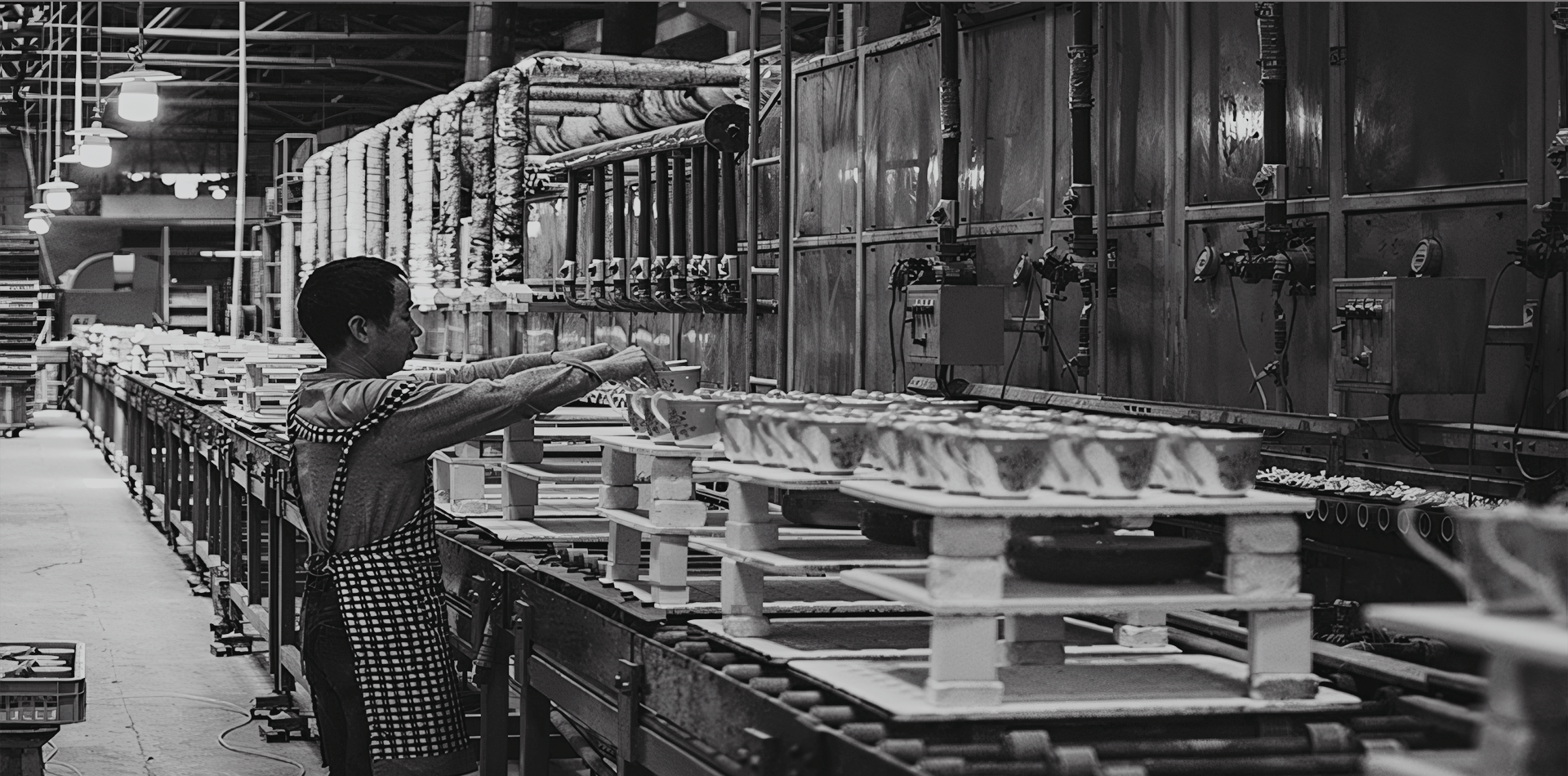
With over 30 years of experience, Lianyuan is a professional high-quality ceramic tableware manufacturer for global B2B clients.
- High-temperature firing for durability
- Strict glaze quality control
- Stable large-scale production
- OEM & ODM customization support
When purchasing ceramic tableware wholesale, the real difference lies in materials, manufacturing processes, and supplier capability, not just appearance.
Focusing on these factors helps b2b buyers reduce risk, improve product performance, and achieve better long-term value. Are you looking for a reliable ceramic tableware supplier? Contact us today to get samples, pricing, and customized solutions for your business.