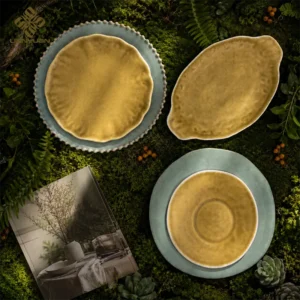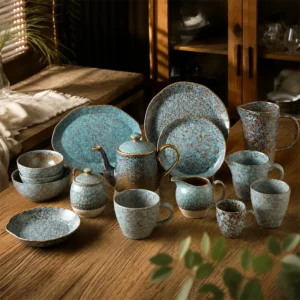


Создание собственного бренда керамической посуды — это не просто керамическая посуда дизайн. На самом деле успех зависит от выбора подходящего партнера-производителя, понимания производственных ограничений и приведения вашего продукта в соответствие с рыночным спросом. Большинство международных покупателей, приходящих в эту отрасль, работают напрямую с Заводы-производители керамической посуды по заказу (OEM) в Китае, где производственные мощности, гибкость в адаптации продукции к потребностям заказчика и контроль затрат находятся на значительно более высоком уровне.
Оцените своё реальное положение на рынке (именно в этом большинство брендов терпит неудачу)
Прежде чем обращаться к производителю, определите, в каком сегменте рынка будет конкурировать ваш бренд:
- Товары для ресторанов и гостиничного бизнеса (с упором на долговечность)
- Бренд розничной торговли, ориентированный на стиль жизни (с акцентом на дизайн и эстетику)
- Собственный бренд для электронной коммерции (цена + быстрый оборот)
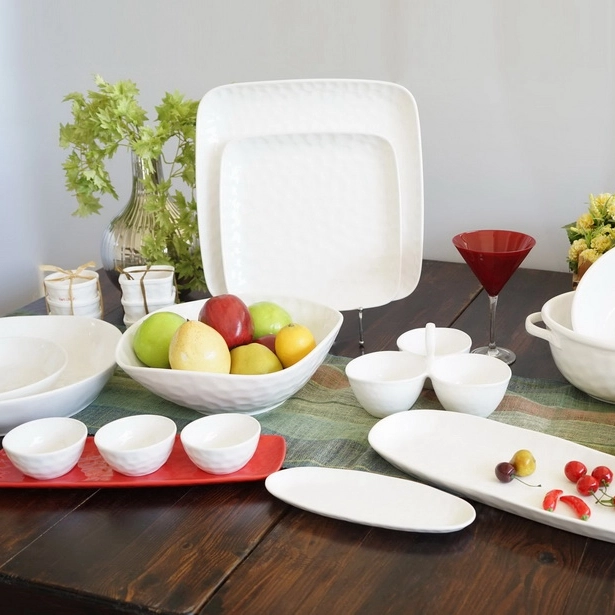
Каждый сегмент требует различные керамические структуры, типы глазури и ценовые стратегии. Заказчики из ресторанного сектора отдают приоритет возможности штабелирования и прочности, тогда как розничные бренды уделяют особое внимание стабильности цвета и внешнему виду упаковки.
Минимальный объем заказа (MOQ) — это первое реальное препятствие в производстве керамики по заказу
Одним из факторов, которому уделяется наименьшее внимание при производстве керамики под собственной торговой маркой, является MOQ (минимальный объем заказа). Типичные диапазоны в Китае включают:
- Стандартная керамическая посуда: 500–3000 шт. на каждый дизайн
- Разработка пресс-форм на заказ: 1000–5000 шт. на один SKU
- Коллекции высококачественной реактивной глазури: более высокий минимальный объем заказа из-за потерь при обжиге
Более низкий минимальный объем заказа (MOQ) обычно ведет к увеличению себестоимости единицы продукции из-за снижения эффективности загрузки печи. Именно в таких случаях опытные поставщики, такие как Lianyuan Ceramic, помогают оптимизировать соотношение между затратами и гибкостью.
Выбор материалов напрямую влияет на позиционирование вашего бренда
Различные материалы вызывают совершенно разные восприятия на рынке:
- Фарфор – использование в сегменте премиум-класса в сфере розничной торговли и гостиничного бизнеса
- Каменная посуда – современные бренды, предлагающие товары для жизни в стиле рустик
Выбор материала влияет на внешний вид, долговечность, температуру обжига и количество брака.
Процесс производства керамики по заказу OEM: что на самом деле происходит на заводе?
Настоящий технологический процесс производства керамики по стандартам OEM включает в себя:
- Утверждение проекта и технический чертеж
- Изготовление пресс-форм и прессование заготовок
- Первая обжига (обжиг бисквита при высокой температуре)
- Глазурование и декорирование (ручная роспись, наклейки, реактивная глазурь)
- Вторая обжига (стеклование при температуре 1200–1300 °C)
- Контроль качества и сортировка
- Экспортная упаковка и погрузка на поддоны
Каждый этап влияет на итоговую стоимость, качество и сроки поставки.
Контроль качества — это то, что определяет успех или провал бренда
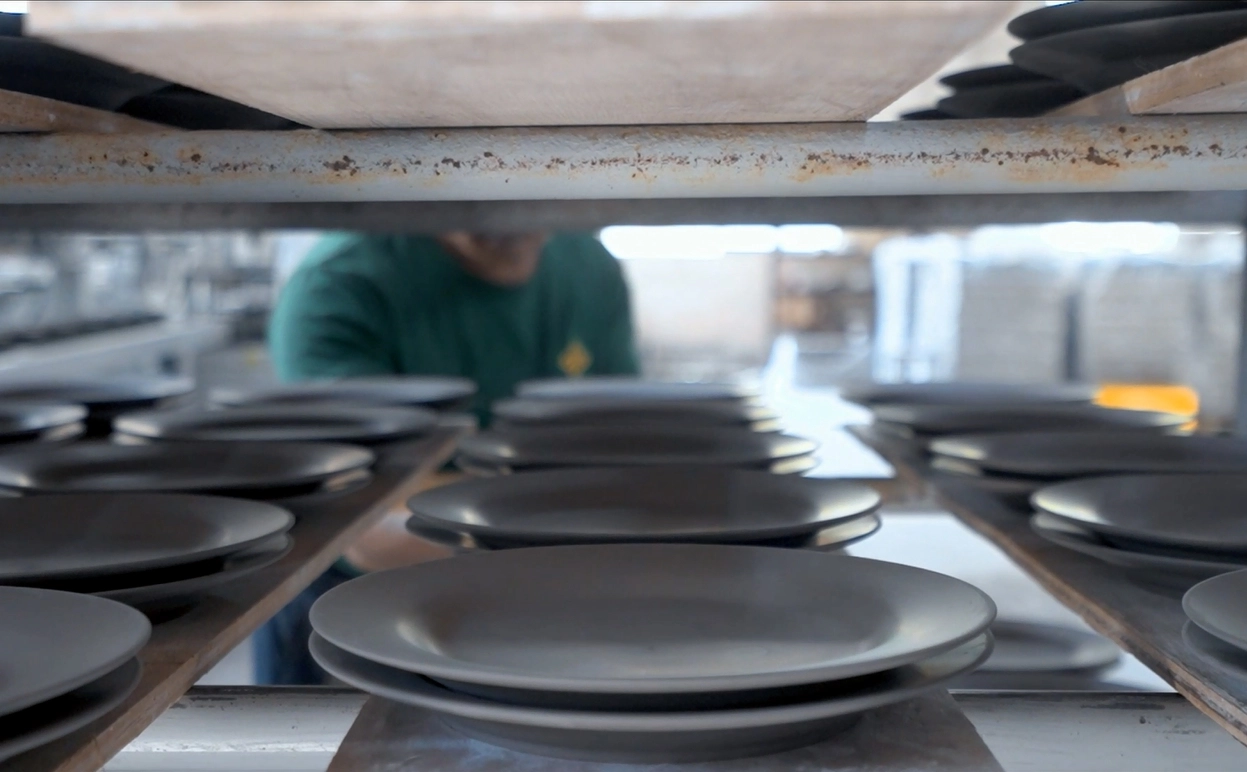
В керамическом производстве контроль дефектов имеет решающее значение. К числу распространенных рисков относятся деформация после обжига, поры в глазури, неравномерность цвета и неравномерная толщина.
Профессиональные заводы внедряют многоступенчатые системы контроля качества:
- Контроль качества сырья
- Контроль обжига в процессе производства
- Отбор проб из печной партии
- Окончательный экспортный контроль
Это обеспечивает стабильное качество при повторных заказах на мировых рынках.
Дизайн и индивидуализация: в чём заключается преимущество брендов керамической посуды под собственной торговой маркой?
Сильные бренды под собственной торговой маркой выделяются благодаря:
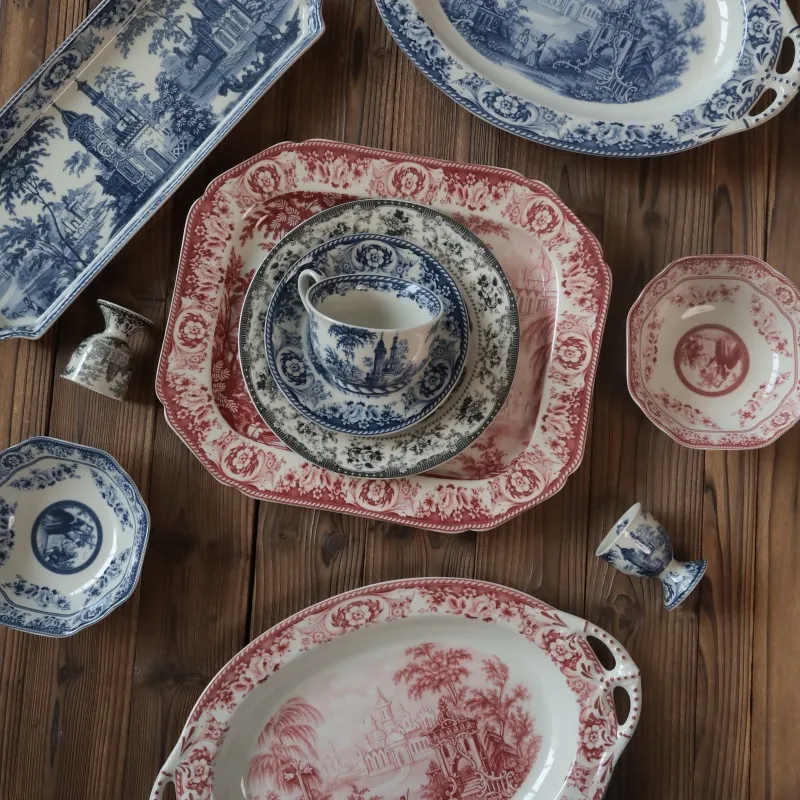
- Необычные формы (минималистичные, органические, геометрические)
- Фирменные цвета глазури
- Тиснение или гравировка логотипа
- Индивидуальный дизайн упаковки
Заводы-производители оригинального оборудования (OEM) в Китае обеспечивают быстрые циклы изготовления образцов (7–20 дней), что позволяет брендам оперативно реагировать на рыночные тенденции.
Упаковка — это часть продукта
Упаковка напрямую влияет на воспринимаемую ценность товара и возможность устанавливать розничные цены.
- Упаковка в виде подарочной коробки для розничных брендов
- Экологичная упаковка из крафт-бумаги для позиционирования бренда как экологически ответственного
- Картонные коробки для оптового экспорта для покупателей в сегменте B2B
Качественная упаковка может значительно повысить готовность покупателей платить розничные цены.
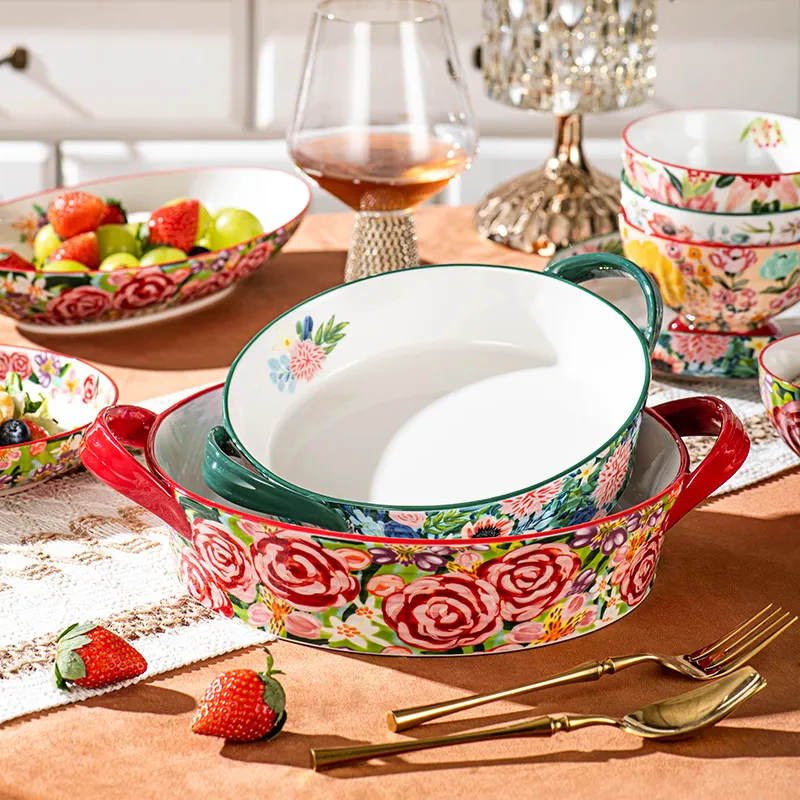
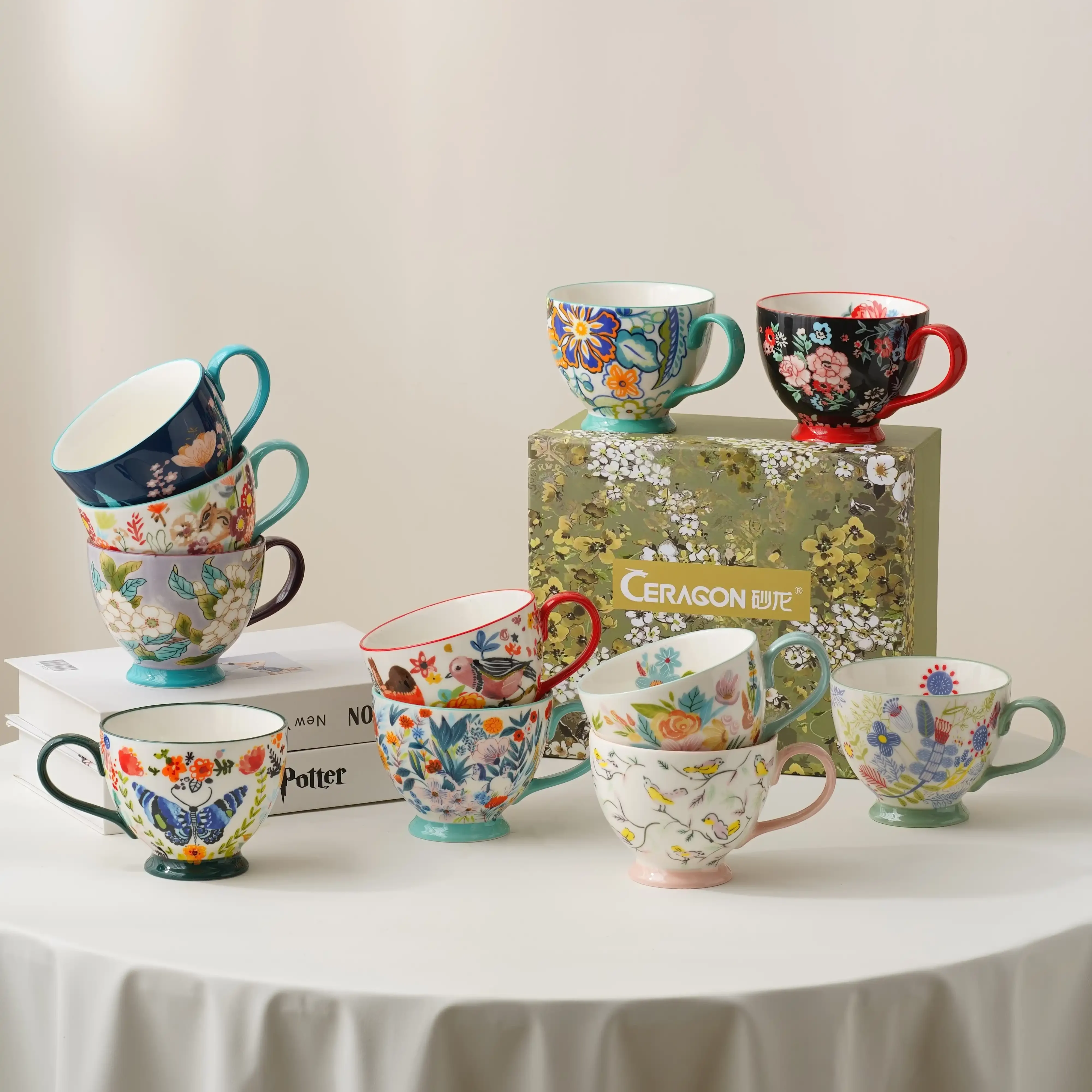
Как выбрать подходящего производителя керамической посуды
Долгосрочный успех в большей степени зависит от производителя, чем от одного лишь дизайна. А надежный партнер по производству керамической посуды на условиях OEM должна обеспечивать стабильные производственные мощности, надежный контроль качества глазури, поддержку в рамках моделей OEM/ODM, а также иметь опыт работы на экспортном рынке.
Ляньюань - это профессиональный производитель керамической посуды Обладая более чем 30-летним опытом производства, мы помогаем мировым брендам разрабатывать коллекции столовой посуды под собственными торговыми марками, обеспечивая стабильное качество и возможность наращивания объемов поставок.
Заключение
Создание бренда керамической посуды под собственной торговой маркой требует не только креативного дизайна. Для этого необходимо понимать структуру минимального объема заказа (MOQ), особенности поведения материалов, производственные ограничения и возможности завода-изготовителя. Успеха добиваются не те бренды, у которых лучшие идеи, а те, которые выбирают правильного партнера по производству по модели OEM.
Если вы планируете запустить или расширить свой бренд керамической посуды, сотрудничество с Ляньюань поможет вам ускорить разработку продукта и расширить масштабы вашего бизнеса на мировом рынке. Не стесняйтесь связаться с нами для Решение для создания собственной торговой марки керамической посуды!