Importing 陶器食器 involves more than selecting attractive designs and competitive prices. For distributors, retailers, hotel suppliers, and brand owners, ensuring compliance with food-contact safety regulations is critical to avoiding customs delays, product recalls, and reputational risks. Understanding which certifications and test reports are required in different markets can help buyers source with confidence and protect their businesses.

Why Ceramic Tableware Certification Matters?

Before placing a bulk order, importers must ensure that ceramic products meet the food-contact regulations of their target markets. Ceramic glazes and decorative pigments may contain trace amounts of heavy metals such as lead and cadmium. If these substances exceed regulatory limits, they can migrate into food and beverages, creating potential health risks and compliance issues.

  • Meet local regulatory requirements
  • Reduce customs clearance risks
  • Protect brand reputation
  • Ensure consumer safety
  • Verify the safety of customized colors, decals, and glazes

For businesses sourcing ceramic tableware wholesale, compliance should be considered as important as product design, pricing, and delivery time.

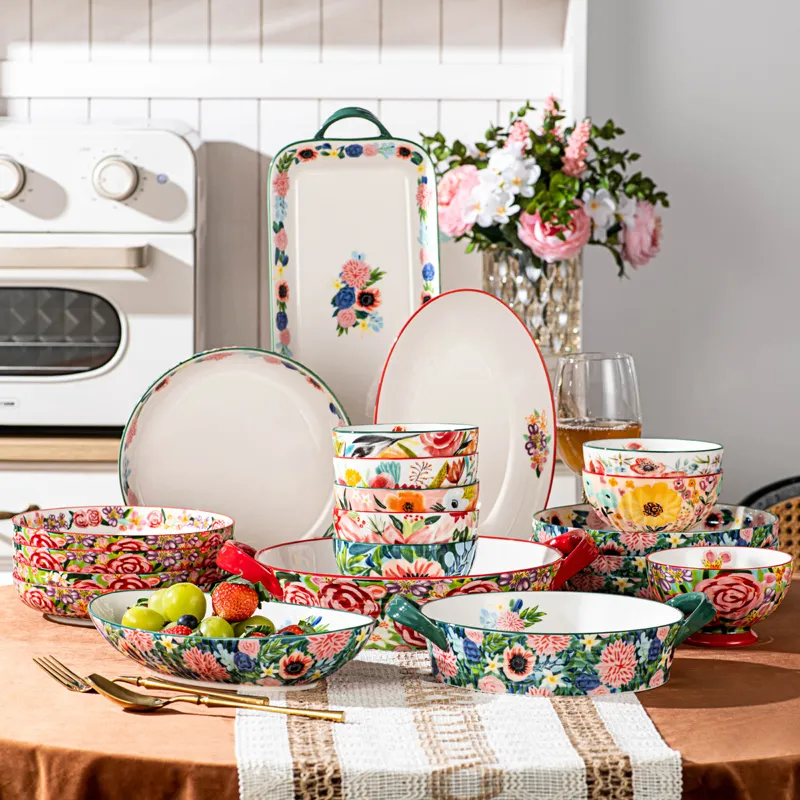
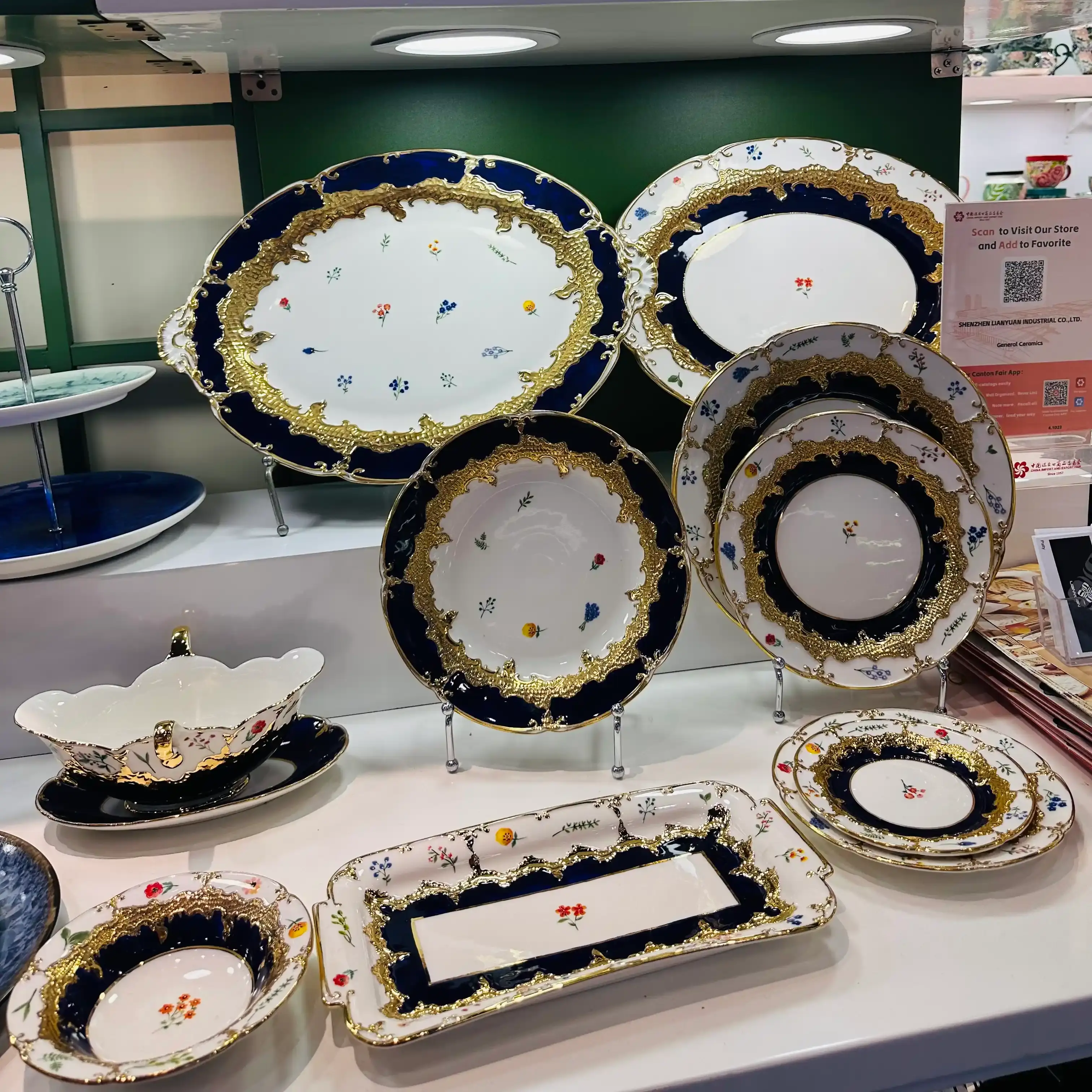
卸売デカール陶磁器食器
カスタム手描き陶器食器

Key Certifications Required for Ceramic Tableware Compliance Imports

FDA Certification for the United States

For ceramic tableware entering the U.S. market, FDA compliance is one of the most frequently requested requirements.

  • Lead migration testing
  • Cadmium migration testing
  • Food-contact material safety assessment

Relevant regulations include FDA 21 CFR and Compliance Policy Guides. Many buyers also require California Proposition 65 testing due to stricter limits.

California Proposition 65 (Prop 65)

Prop 65 focuses on substances linked to cancer, birth defects, or reproductive harm. For ceramic products, lead and cadmium are the primary concerns. Buyers should request both FDA and Prop 65 test reports.

LFGB Certification for Germany and High-End European Markets

LFGB is a respected food-contact standard in Europe, especially for Germany. Many European retailers require LFGB-tested products because the standard is stricter than general EU regulations.

  • Heavy metal migration
  • Food-contact safety
  • Sensory testing
  • Lead and cadmium release

EU Food Contact Compliance

Ceramic tableware sold in the European Union must comply with EC No. 1935/2004 and Directive 84/500/EEC. Testing focuses on lead and cadmium release and overall food-contact safety.

Third-Party Laboratory Testing

International buyers may request testing from recognized laboratories such as SGS, Intertek, TÜV Rheinland, or Bureau Veritas to verify compliance independently.

ROHS認定陶磁器食器メーカー
ISO9001認証取得の陶磁器食器メーカー
SEDEX認定食器メーカー

Ceramic Tableware Certification Requirements by Market

MarketMain Compliance Requirements
米国FDA + Prop 65
European UnionEC 1935/2004 + 84/500/EEC
GermanyLFGB
United KingdomUK Food Contact Regulations
CanadaFood Contact Safety Testing
オーストラリアAS 2070
日本Food Sanitation Law

What Testing Items Do Importers Care About Most?

Lead Migration Testing

High-risk products include hand-painted, metallic, reactive, and dark-colored glazes.

Cadmium Migration Testing

Bright decorative pigments like red, orange, and yellow require strict cadmium testing.

Microwave and Dishwasher Safety

Many buyers require performance testing to confirm products are microwave-safe and dishwasher-safe.

Thermal Shock Resistance

Tests evaluate how well ceramics withstand rapid temperature changes, reducing breakage and improving durability.

Common Importing Ceramic Tableware Compliance Risks

  • Pre-production samples may pass while mass-produced items fail
  • Variations in glaze suppliers, firing temperatures, and pigment batches
  • Inconsistent quality control procedures

Experienced importers often require pre-production testing, batch monitoring, and pre-shipment inspections.

How to Choose a Reliable Ceramic Tableware Manufacturer?

Look beyond pricing and design. A qualified ceramic tableware manufacturer should:

  • Understand regulatory requirements across markets
  • Provide valid third-party test reports
  • Control glaze and pigment sourcing
  • Maintain batch-to-batch consistency
  • Support sample testing before production
  • Conduct quality inspections before shipment
  • Offer OEM and ODM customization services

Why Global Buyers Partner with Lianyuan?

As a leading ceramic tableware manufacturer, Lianyuan provides:

  • FDA-compliant ceramic tableware production
  • LFGB-tested product development
  • Lead and cadmium risk control
  • Third-party laboratory cooperation
  • OEM & ODM customization
  • Quality inspection before shipment
  • Export packaging solutions

By integrating compliance, quality control, and design expertise, Lianyuan Ceramic helps buyers reduce sourcing risks and streamline global procurement.

2025年広州交易会における高温耐火セラミックス聯源

結論

Understanding FDA, Prop 65, LFGB, and EU food-contact regulations is critical when importing ceramic tableware. Work with experienced ceramic tableware suppliers and request proper test reports to ensure smooth market entry. 連絡先 to discuss your wholesale or custom ceramic tableware project.

連絡先

製品に関するお問い合わせ、お見積もり、食器卸売ソリューションの詳細など、お気軽にお問い合わせください。
+86-13828383135annie@lianyuan.com.cn中国広東省潮州市外環北路と興公北路の交差点にある聯源工場A棟
メッセージを送る

興味のある人を探す