

Ceramic bowls are an essential category in the global tableware market, with different shapes and sizes designed for specific dining needs. For brands, wholesalers, and hospitality buyers, understanding bowl functions and usage scenarios helps develop suitable product collections and make better sourcing decisions.
Types of Ceramic Bowls: Functions and Usage Scenarios
Most types of ceramic bowls serve a specific purpose in everyday dining. Whether you are hosting a formal dinner party or enjoying a simple snack, the shape and size of a bowl can influence the way you experience and enjoy your food.
Common Types of Ceramic Bowls
Different ceramic bowls are designed for different foods and dining scenarios. Understanding their functions helps brands, retailers, and hospitality buyers develop more suitable tableware collections.
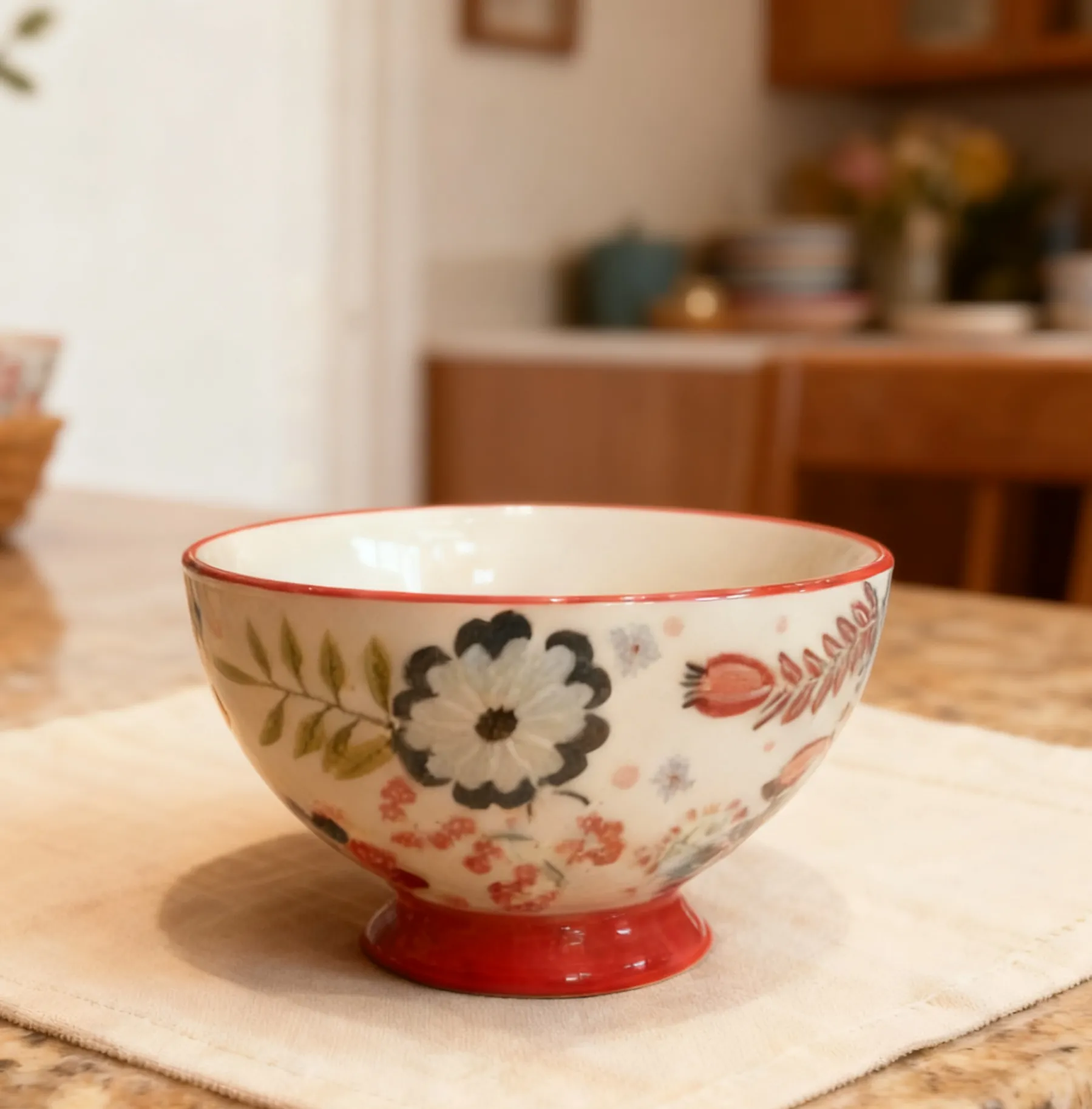
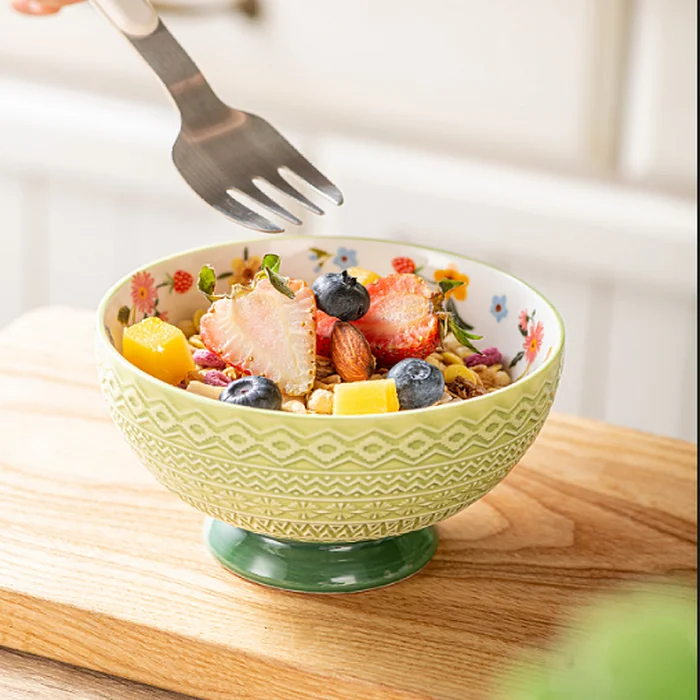
Cereal Bowl: Ideal for Breakfast and Light Meals
Features:
Cereal bowls usually have a medium capacity of 300–500 ml, with a balanced opening design and moderate depth. This structure makes them easy to use for mixing ingredients while reducing spills.
Common Applications:
- Breakfast cereals
- Oatmeal and yogurt
- Fruits and nuts
- Light meals
Cereal bowls are popular in household collections, cafés, and retail tableware products due to their practical size and versatile usage.
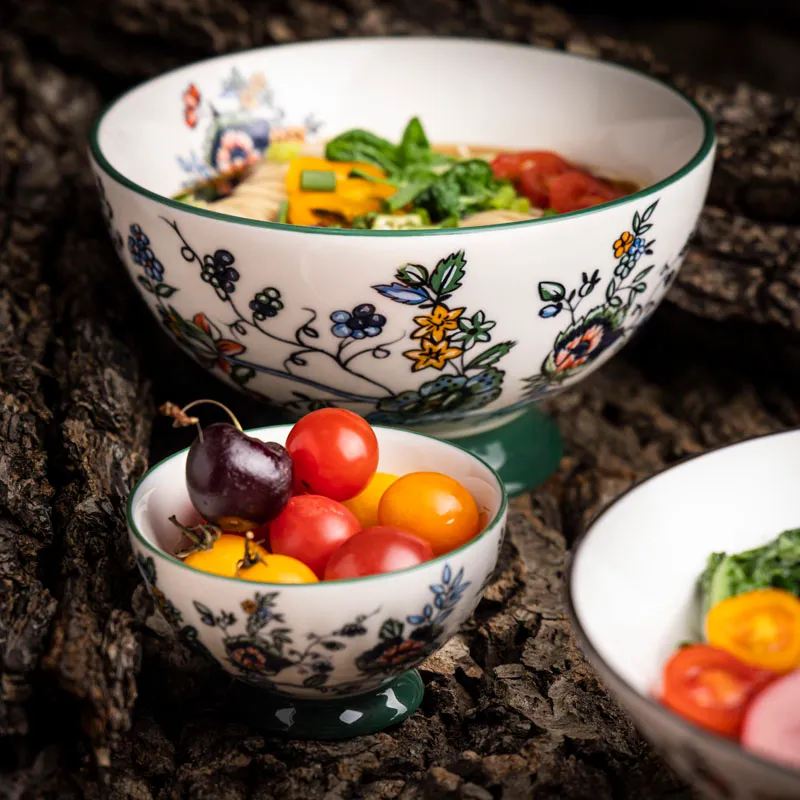
Soup Bowl: A Practical Choice for Hot Dishes
Features:
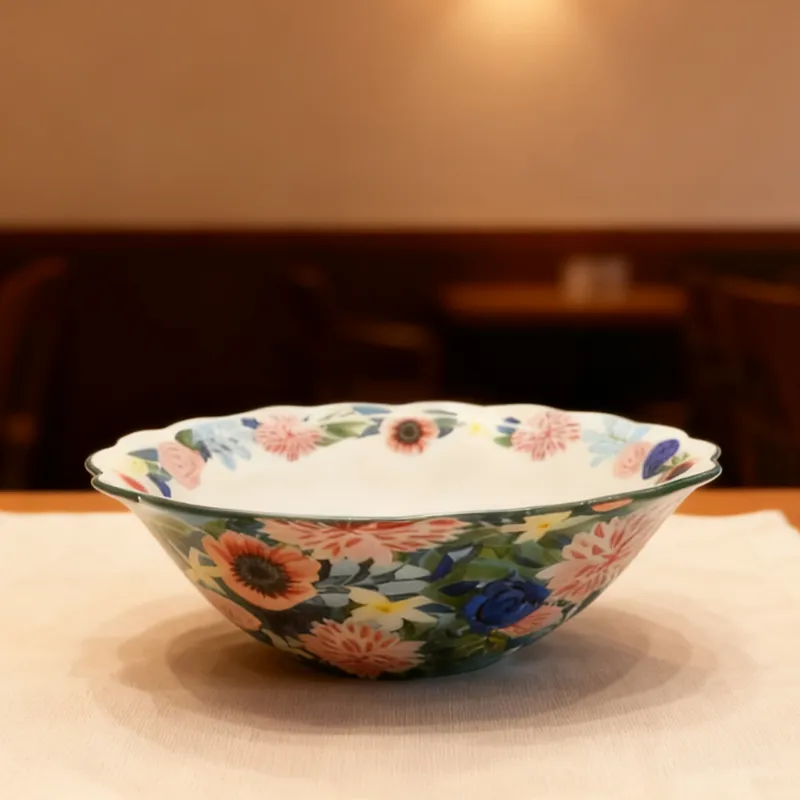
Soup bowls feature a deeper structure with higher sides, helping prevent spills while maintaining food temperature. Their heat-retaining ceramic material makes them suitable for serving various hot dishes.
Common Applications:
- Soups and stews
- Ramen and noodle dishes
- Curries and hot pot ingredients
- Restaurant and hotel catering services
With increasing demand for Asian cuisine worldwide, soup bowls are also widely used for ramen, udon, and other noodle-based dishes.
Salad Bowl: Designed for Fresh Food Presentation
Features:
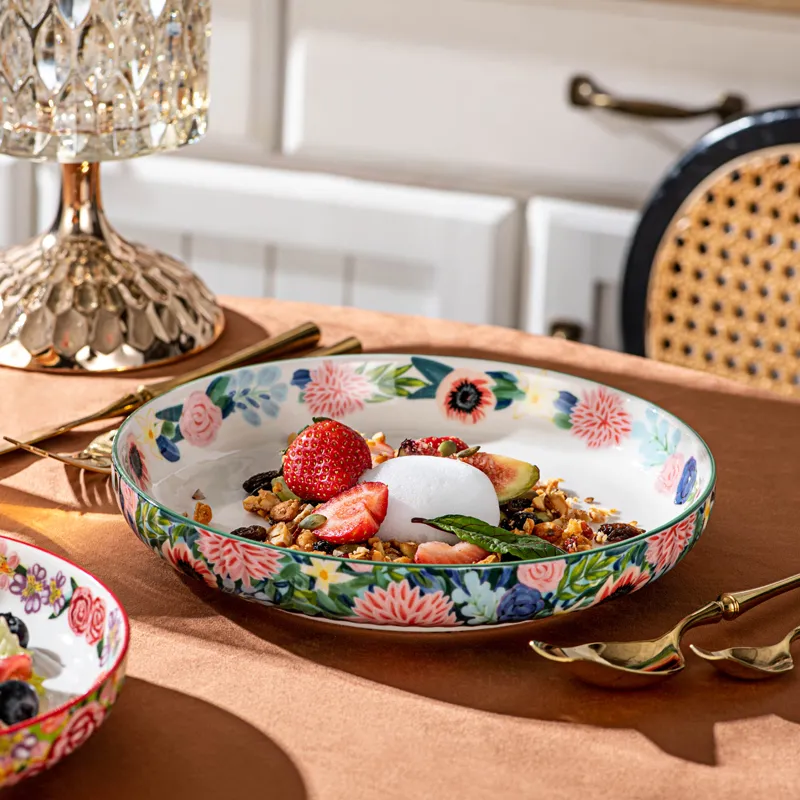
Salad bowls usually feature a wide opening and larger capacity, providing enough space for mixing ingredients and improving food presentation. The open design also helps maintain the freshness of vegetables and fruits.
Common Applications:
- Vegetable salads
- Fruit salads
- Caesar salads
- Family-style dining and restaurant serving
Their attractive appearance and functional design make salad bowls a popular choice for restaurants, cafés, and premium tableware collections.
Rice Bowl: Essential for Asian Dining
Features:
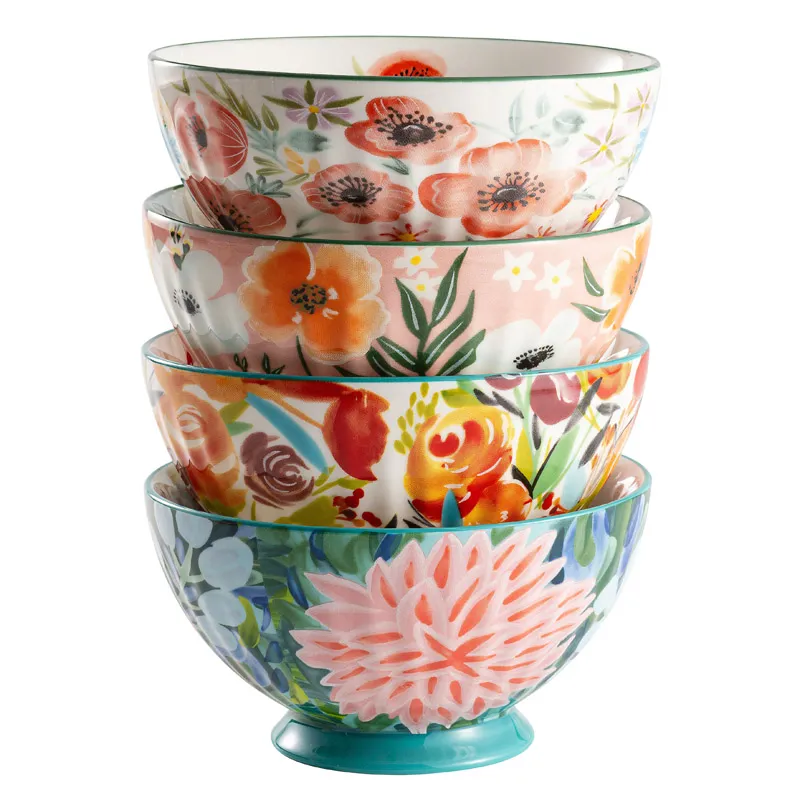
Rice bowls typically feature a compact size, narrow base, and slightly flared rim, making them comfortable to hold while helping maintain food temperature.
Common Applications:
- Rice and fried rice
- Side dishes
- Condiments and small portions
Rice bowls are essential products for Asian dining markets and are widely used in Japanese, Chinese, and Korean tableware collections.
Serving Bowl: Large-Capacity Solution for Sharing Dishes
Features:
Serving bowls are designed with larger capacities and decorative appearances for communal dining. They combine practical functionality with visual appeal, making them suitable for both home and commercial environments.
Common Applications:
- Salads and fruits
- Pasta and family-style dishes
- Restaurant sharing meals
- Hotel buffet services
Large serving bowls are widely used by restaurants, hotels, and catering businesses that require attractive and durable food presentation solutions.
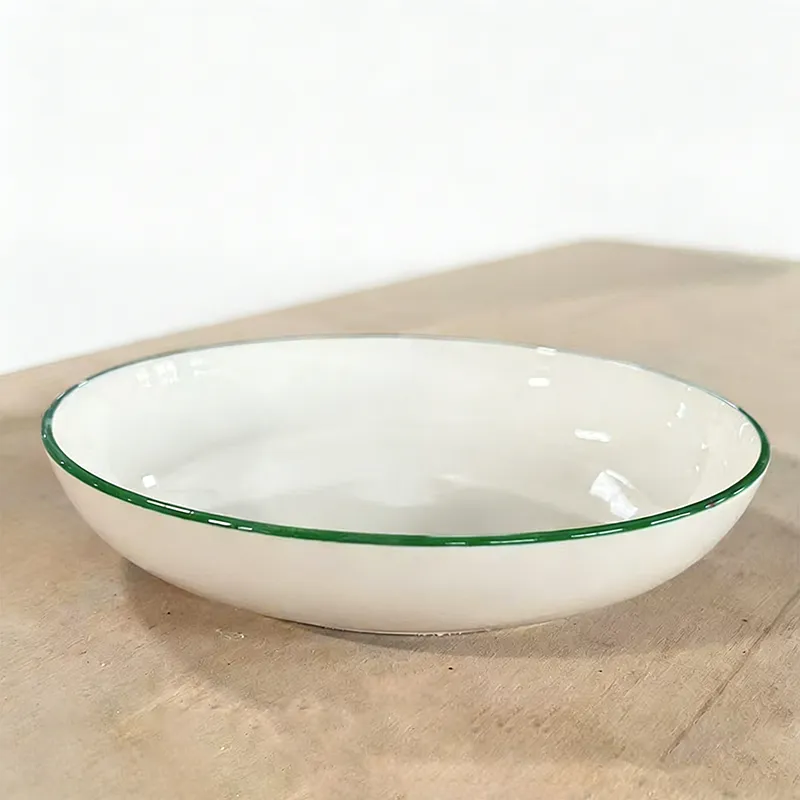
Other Types of Ceramic Bowls
Dessert Bowls: Typically 10–15 cm in size, designed for serving desserts such as ice cream, cakes, puddings, fruits, and snacks.
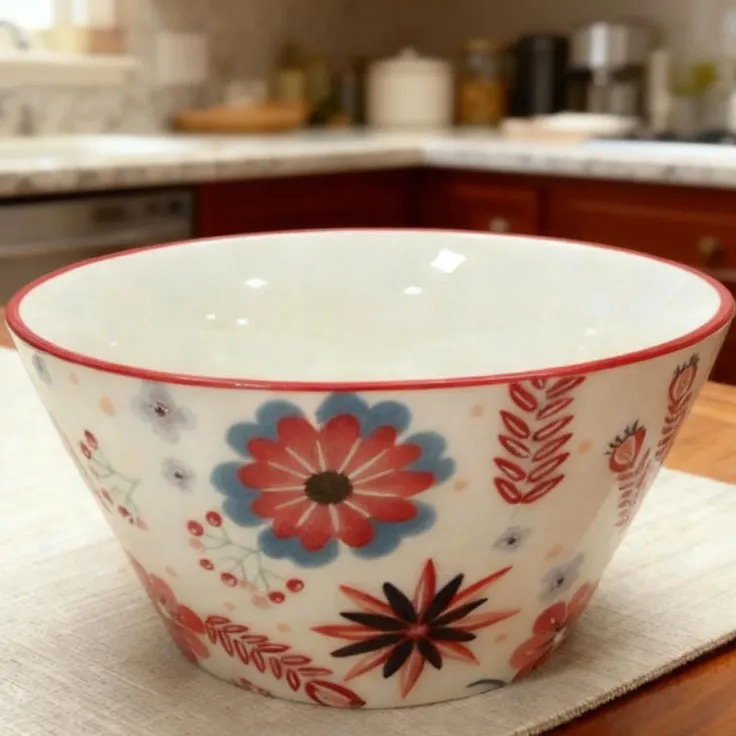
Mixing Bowls: Designed for food preparation, baking, and ingredient mixing. With a large capacity and durable structure, they are suitable for mixing flour, making sauces, whipping cream, and preparing various recipes.
Ramen Bowls: Featuring a deep and large-capacity design, ramen bowls are suitable for serving noodles, soups, and toppings. They are also widely used for Asian dishes such as pho, udon, and rice noodles.
How to Choose the Right Ceramic Bowl?
Choosing the right ceramic bowls depends on food type, market preference, usage scenarios, and material requirements.
Based on Food Type
Different foods require different bowl designs. Deep bowls are suitable for soups and stews, while wide bowls work better for salads, noodles, and other dishes that need more space.
Based on Market
Different regions have different preferences. European markets often prefer simple and handmade styles, while Middle Eastern markets favor luxury designs and larger sizes. North American markets usually prefer practical and modern designs.
Based on Usage Scenarios
Home users focus on durability and easy cleaning, while restaurants and brands value consistent quality, attractive designs, and customization options for better presentation.
Based on Material
Porcelain offers an elegant appearance for premium collections, stoneware provides durability for daily use, and bone china delivers a lightweight and luxurious feel for high-end markets.
Why Choose Lianyuan for Ceramic Bowls?
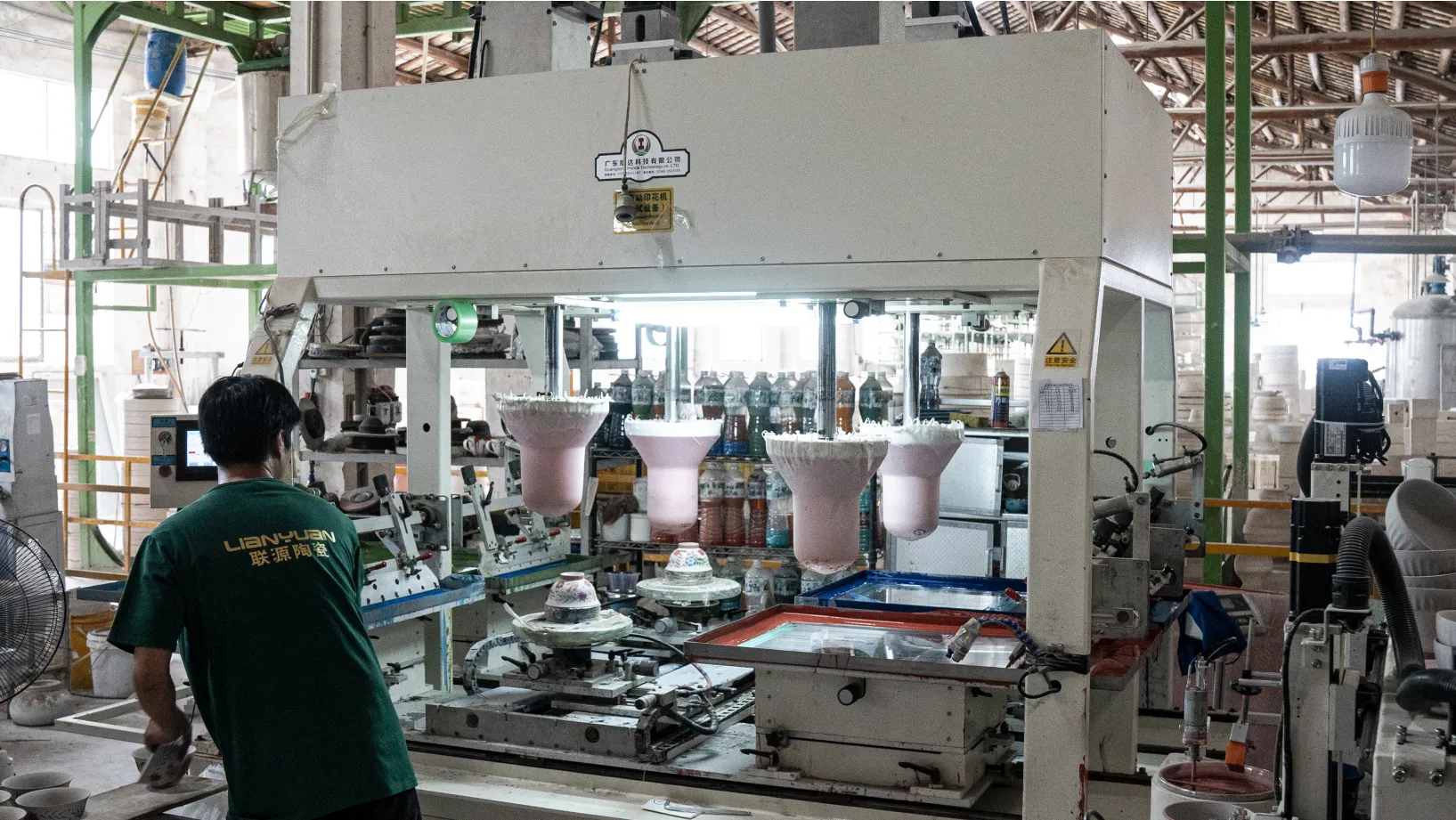
Established in 1993, Lianyuan is a professional ceramic tableware manufacturer specializing in ceramic bowls, dinnerware, serveware, and customized tableware solutions.
With mature OEM/ODM capabilities, skilled craftsmanship, and flexible customization services, we help global brands, wholesalers, and hospitality buyers develop ceramic collections that match their market needs.
Whether you need wholesale ceramic bowls, private label products, or customized tableware solutions, Lianyuan provides reliable manufacturing support with a focus on quality, design, and practicality.
Conclusion
Ceramic bowls are more than everyday tableware products. Understanding different bowl types, functions, and usage scenarios helps brands, wholesalers, and hospitality buyers develop collections that better match market needs.
With the right product selection and a reliable ceramic tableware supplier, businesses can create practical, attractive, and competitive tableware solutions. Partner with Lianyuan to develop customized ceramic bowl collections that combine quality, design, and market value.