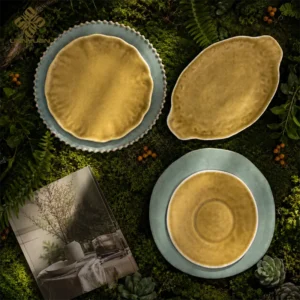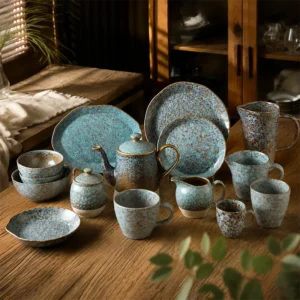


For B2B buyers, sourcing hotel dinnerware is not simply about choosing attractive plates and bowls. Hotels operate under high-frequency service, repeated commercial washing, limited storage space, frequent handling, and unavoidable breakage. A suitable dinnerware program therefore needs to balance durability, stackability, visual consistency, and long-term replenishment from the beginning.
For buyers sourcing оптовые наборы посуды, the real question is not only which products look suitable for a hotel, but whether the производитель столовой посуды can support stable bulk production and repeat orders over the entire life cycle of the project. This is especially important for hotel groups, hospitality distributors, project contractors, and importers managing multiple SKUs.
Start with Hotel Operations, Not Product Style
Different hotel dining areas place very different demands on dinnerware. Fine dining restaurants focus more on presentation, while breakfast areas and all-day dining require practical shapes, easy stacking, and fast turnover. Banquet service needs standardized pieces that can be handled quickly in large quantities, while room service requires stable and compact tableware.
Профессионал поставщик керамической посуды should therefore help buyers organize the product range by service scenario before discussing colors or patterns. This avoids overcomplicated SKU structures and makes later purchasing, storage, and replenishment easier.
Recommended Planning Logic
| Hotel Area | Main Purchasing Priority |
|---|---|
| Fine Dining | Presentation, shape, visual identity |
| Breakfast | Stackability, durability, quick handling |
| Banquet | Standardization, bulk quantity, consistency |
| Обслуживание номеров | Compact size, stability, easy transport |
| Lounge / Café | Cups, plates, tea and coffee coordination |
Prioritize Durability for High-Frequency Use
In hotel operations, durability has a direct impact on purchasing cost. A lower unit price does not necessarily mean lower operating cost if plates chip easily, glazes scratch quickly, or products require frequent replacement.
Buyers should pay attention to edge strength, glaze durability, dishwasher resistance, thermal stability, and consistency under repeated commercial use. When evaluating hotel dinnerware, it is more useful to consider long-term cost per use rather than only the initial quotation.
Stackability Affects Storage and Service Efficiency
Hotel kitchens, banquet storage rooms, and service stations usually have limited space. Poorly designed dinnerware can consume unnecessary storage capacity and increase the risk of breakage during handling.
Good stackability depends on consistent dimensions, controlled rim height, balanced weight, and a stable base. For bulk hotel dinnerware, these details can significantly improve storage efficiency and speed up daily service.
Match Size and Shape to the Service Style
Hotel buyers do not need every dining area to use exactly the same shape, but the product structure should still follow a clear standard. Dinner plates, side plates, bowls, pasta plates, cups, and serving pieces should match the actual menu and service process.
The purpose of standardization is not to reduce design freedom. It is to prevent unnecessary SKU growth and make future ordering easier for purchasing teams.
| Service Style | Suitable Product Direction |
|---|---|
| Fine Dining | Distinctive presentation plates and refined shapes |
| All-Day Dining | Practical plates and bowls with good stackability |
| Banquet | Standardized sizes for fast setup |
| Обслуживание номеров | Compact, stable, easy-to-carry pieces |
| Café / Lounge | Coordinated cups, saucers, plates and tea pieces |
Balance Visual Identity with Production Consistency
Hotels often want dinnerware to reinforce their brand image, but visual design must also be reproducible in future orders. Highly complex colors or decorative effects may look attractive in the first sample, yet create difficulties if the same result cannot be maintained across different production batches.
A capable ceramic tableware manufacturer should evaluate shape, glaze, decoration, logo, and production repeatability together. For hotel groups, this is especially important because new properties, replacements, and expansion projects may require the same products months or years later.
Plan for Breakage and Replenishment Before Ordering
Breakage is normal in hotel operations. The real purchasing risk is not whether some pieces will break, but whether the same SKU can still be supplied when replacement is required.
Before placing a hotel dinnerware wholesale order, buyers should confirm whether individual pieces can be reordered, whether the same glaze and decoration can be reproduced, how long molds and styles can remain available, and whether the supplier can support repeat orders.
Replenishment Questions Buyers Should Ask
- Can individual SKUs be reordered?
- Can colors and glazes remain consistent?
- Are molds kept for repeat production?
- Can repeat orders be coordinated in smaller quantities?
- How does the supplier manage discontinued designs?
These issues often have a greater impact on the long-term stability of hotel projects than the first purchase price.
Standardize Core SKUs to Reduce Purchasing Complexity
For large hospitality projects, too many unique products can create unnecessary inventory pressure. A more efficient approach is to build the collection around a group of core SKUs and use specialty pieces only where they add real operational or visual value.
Core SKUs
- Обеденная тарелка
- Side Plate
- Чаша
- Mug / Cup & Saucer
Specialty SKUs
- Pasta Plate
- Сервировочная тарелка
- Миска для сервировки
- Banquet-specific pieces
- Tea & Coffee pieces
This standardized SKU structure simplifies inventory management, repeat ordering, and replenishment, while still allowing hotels to add specialty pieces when needed.
Prepare the Right Information Before Requesting a Quote
A detailed RFQ helps the factory provide a more accurate product recommendation and quotation. Instead of asking only for a price list, hotel buyers should provide the basic project requirements from the beginning. For overseas buyers looking for custom tableware manufacturing, providing target-market preferences, product specifications, logo requirements, and expected order quantities at the beginning can also improve development efficiency.
Information Buyers Should Provide
| Information | Why It Matters |
|---|---|
| Hotel / Project Type | Determines product performance and style |
| Dining Areas | Defines different SKU requirements |
| Required Pieces | Clarifies the product structure |
| Estimated Quantity | Affects production and quotation |
| Preferred Material | Determines positioning and performance |
| Design / Color Direction | Helps product matching |
| Logo Requirements | Defines customization process |
| Dishwasher Requirements | Important for commercial use |
| Packaging Requirements | Affects transport and handling |
| Replenishment Plan | Supports long-term supply planning |
Choose a Supplier for Long-Term Hotel Programs
A reliable ceramic tableware factory should support more than the first bulk order. Hotel projects require stable mass production, coordinated multi-SKU supply, repeatable customization, and long-term replenishment.
When evaluating a hotel dinnerware supplier, buyers should focus on four points: production consistency, coordinated product range, OEM/ODM flexibility, and repeat-order support. These capabilities determine whether the supplier can grow with the hotel project instead of simply supplying one shipment.
Why Work with Lianyuan for Hotel Dinnerware
For hotel and hospitality buyers, the key value of a manufacturer lies in whether it can turn project requirements into a stable and repeatable supply program.
Coordinated Multi-SKU & Multi-Style Collections
Lianyuan can coordinate dinnerware, tea and coffee pieces, and serveware across different styles and hospitality scenarios. Buyers can develop elegant collections for weddings and banquets, refined tableware for fine dining, practical sets for buffet service, or coordinated tea and coffee collections for lounges and afternoon tea.
This helps hotel buyers maintain a consistent brand image while using different product styles for different dining areas, without sourcing each category from separate suppliers.


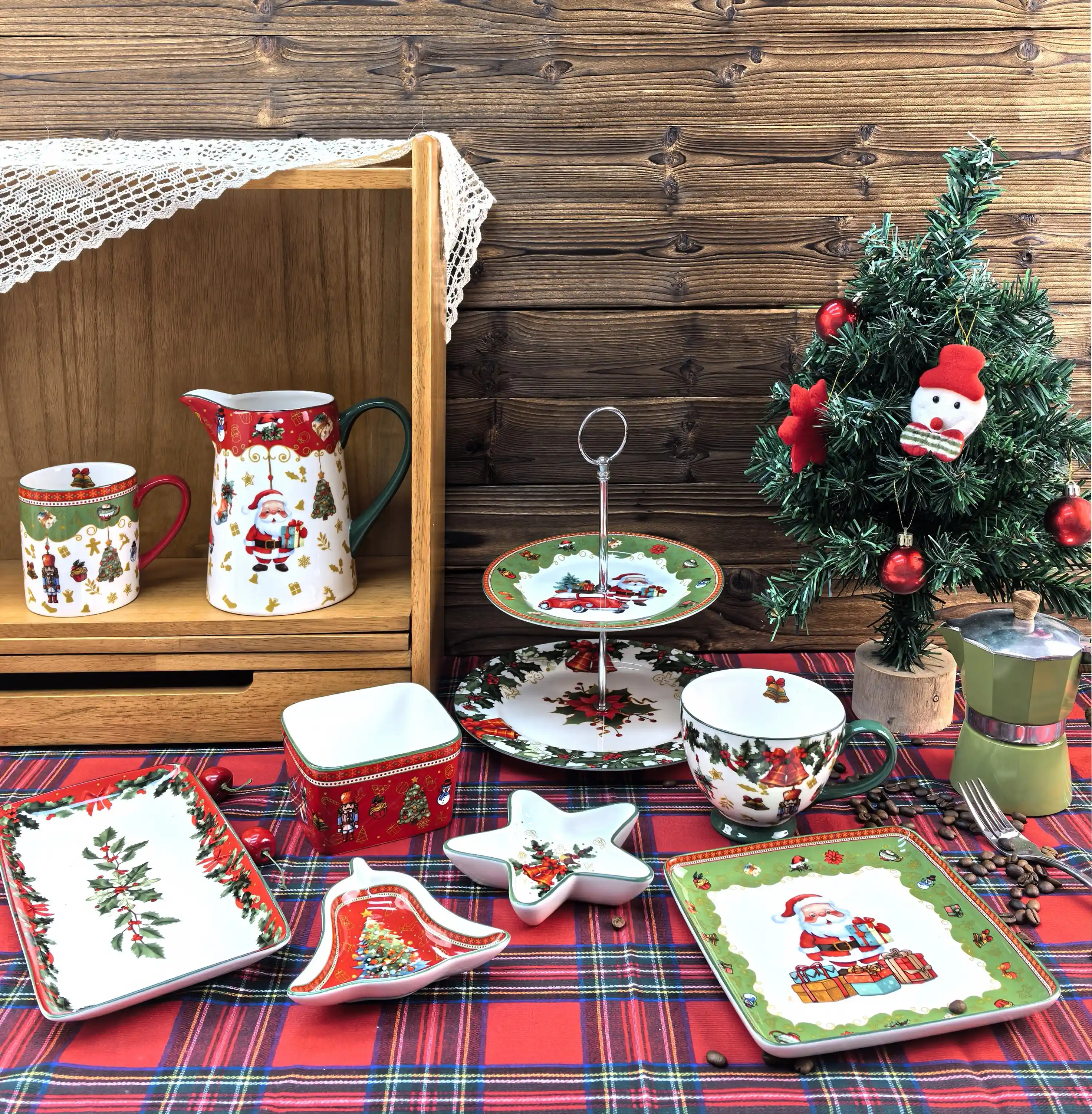

As a professional dinnerware manufacturer, Lianyuan supports customization in shape, size, color, pattern, logo, and packaging, helping hotel buyers develop products around specific project requirements.

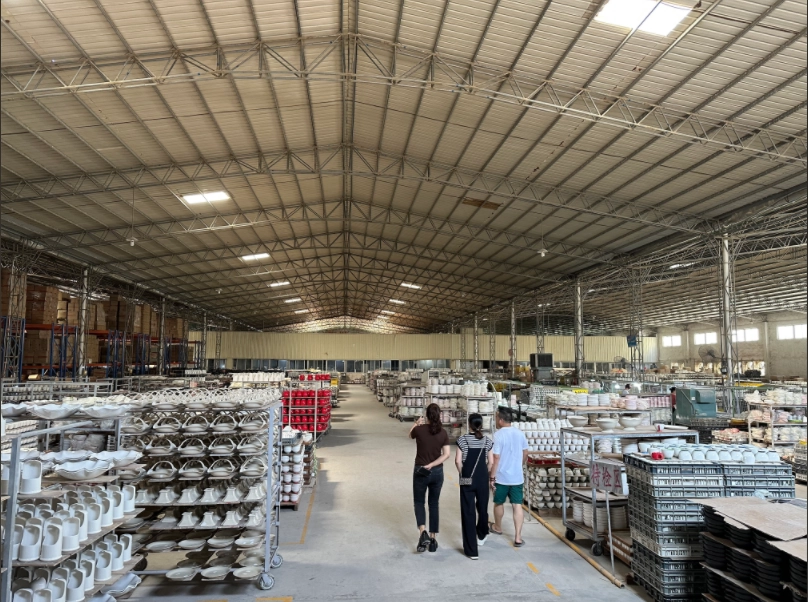
For wholesale dinnerware sets and large hospitality projects, production consistency is essential. Coordinated manufacturing and quality control help maintain stable specifications across multiple SKUs and repeat orders.


Long-Term Replenishment Support
Hotel projects rarely end after the first shipment. The ability to support replacement orders, repeat production, and product-line expansion gives buyers more control over long-term operating costs.


Conclusion: Build a Hotel Dinnerware Program for Long-Term Use
Successful hotel dinnerware sourcing is not simply about choosing attractive products at a competitive price. Buyers need to consider durability, stackability, SKU standardization, design consistency, breakage planning, and replenishment as part of one complete procurement strategy.
If you are sourcing hotel dinnerware wholesale, wholesale dinnerware sets, or customized hospitality tableware, отправить Ляньюань your hotel type, required SKUs, quantity, design direction, and replenishment requirements. As a professional ceramic tableware manufacturer and ceramic tableware supplier, we can help you plan a more practical product combination and prepare a bulk quotation for your project.