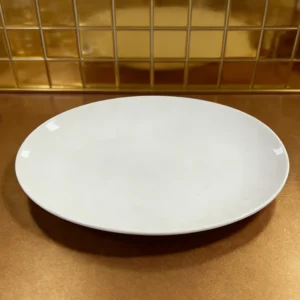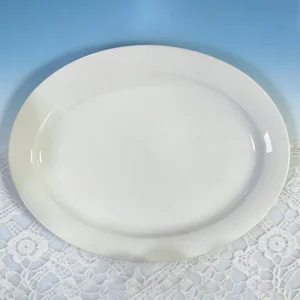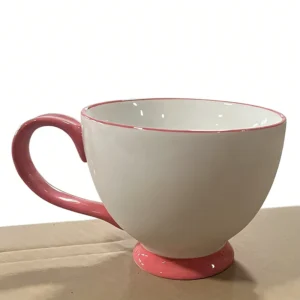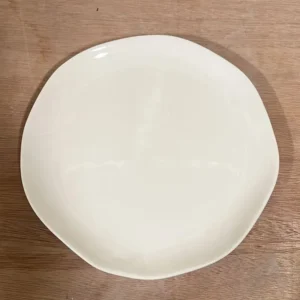


Glazing is one of the most critical steps in ceramic manufacturing. It not only enhances the color, texture, and surface appearance of ceramic products but also provides essential functional protection. For ceramic plates used in food service, hospitality, and retail markets, proper glazing directly affects durability, hygiene, and long-term performance. How to glaze a ceramic plate? As a professional ceramic tableware manufacturer, Lianyuan applies multiple mature glazing technologies to meet diverse design, functional, and bulk production requirements. This guide explains why glazing matters, the main glazing methods used for ceramic dinnerware, and how these techniques are applied in commercial manufacturing.
Why Is Glazing Applied to Ceramic Plates?
From a manufacturing and application perspective, glazing serves both functional and aesthetic purposes:
- Food safety and protection: Glaze forms a non-porous surface that prevents acidic or alkaline substances in food and beverages from directly contacting the ceramic body. It also reduces the absorption of oil, stains, and odors.
- Improved durability: Proper glazing enhances scratch resistance and protects ceramic plates from minor surface damage during daily use.
- Design flexibility: Different glaze colors and techniques allow for solid tones, gradients, reactive textures, and artistic finishes.
- Market differentiation: A balance of aesthetics and practicality helps brands stand out in competitive hospitality and retail markets.
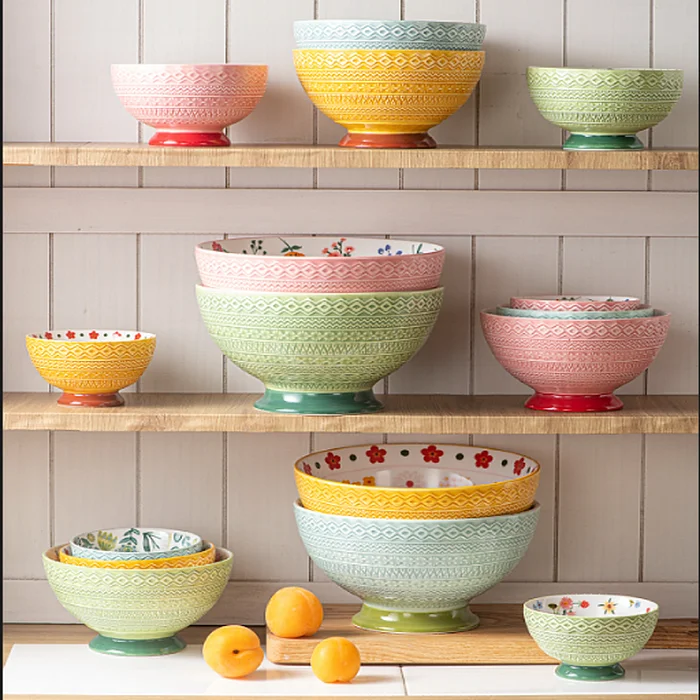
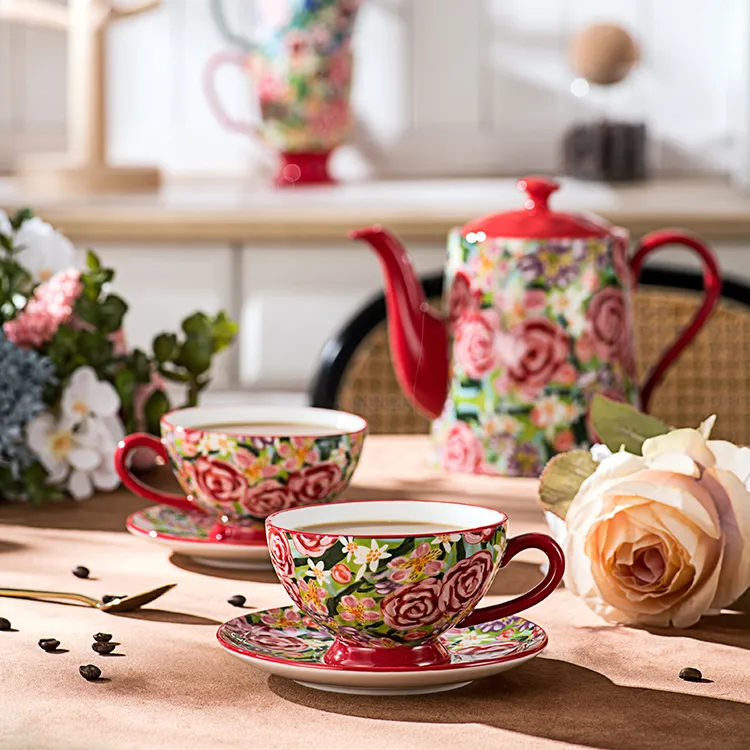
How to Glaze a Ceramic Plate? Four Common Glazing Methods
Dipping Glaze Method
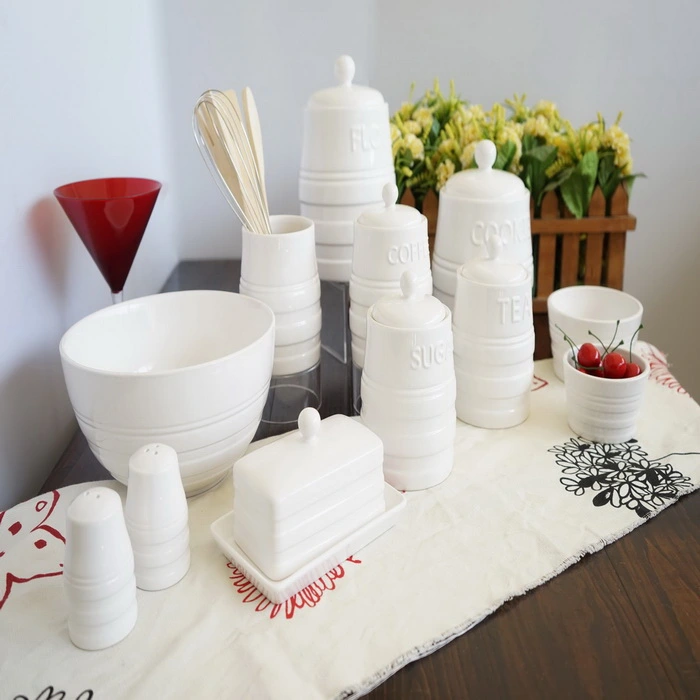
The dipping method involves immersing the ceramic plate in glaze slurry to achieve full surface coverage.
- Advantages:
- Highly suitable for mass production
- Fast and efficient application
- Stable process for standardized output
- Disadvantages:
- Glaze thickness may vary if not well-controlled
- High fluidity may cause glaze pooling or running
B2B application: Dipping glazing is widely used for bulk ceramic plate production for hotels, restaurants, and wholesale tableware projects due to its efficiency and consistency.
Brushing Glaze Method
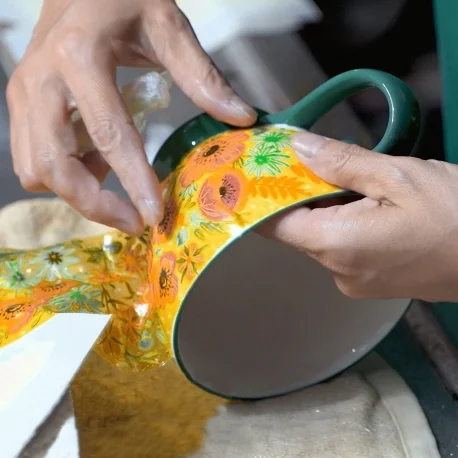
Brushing allows glaze to be applied manually with precision, making it suitable for detailed or irregular designs.
- Advantages:
- Flexible control over glaze thickness
- Ideal for complex shapes and decorative details
- Disadvantages:
- Risk of visible brush marks
- Requires skilled craftsmanship
B2B application: Brushing is best suited for small-batch orders, premium decorative plates, or customized collections where uniqueness is prioritized.
Spray Glazing Method
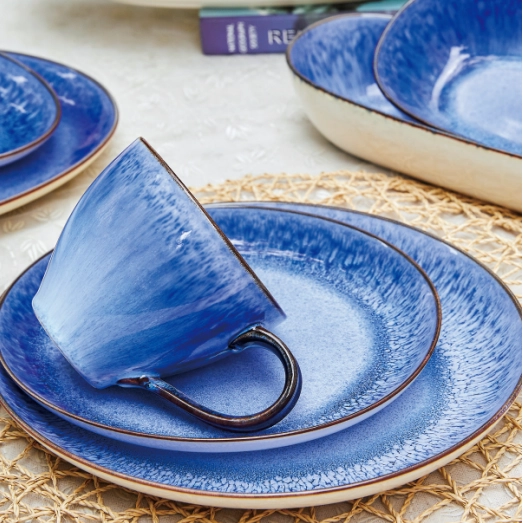
Spray glazing uses high-pressure spray guns to evenly apply glaze across the ceramic surface.
- Advantages:
- Uniform coating suitable for assembly-line production
- Efficient for large-area glazing
- Capable of creating gradient or flowing glaze effects
- Disadvantages:
- Requires professional equipment and trained operators
- Needs proper ventilation and safety measures
- May result in glaze material wastage
B2B application: Spray glazing is commonly used in OEM and ODM ceramic plate production, where scalability and surface consistency are required.
Pouring Glaze Method
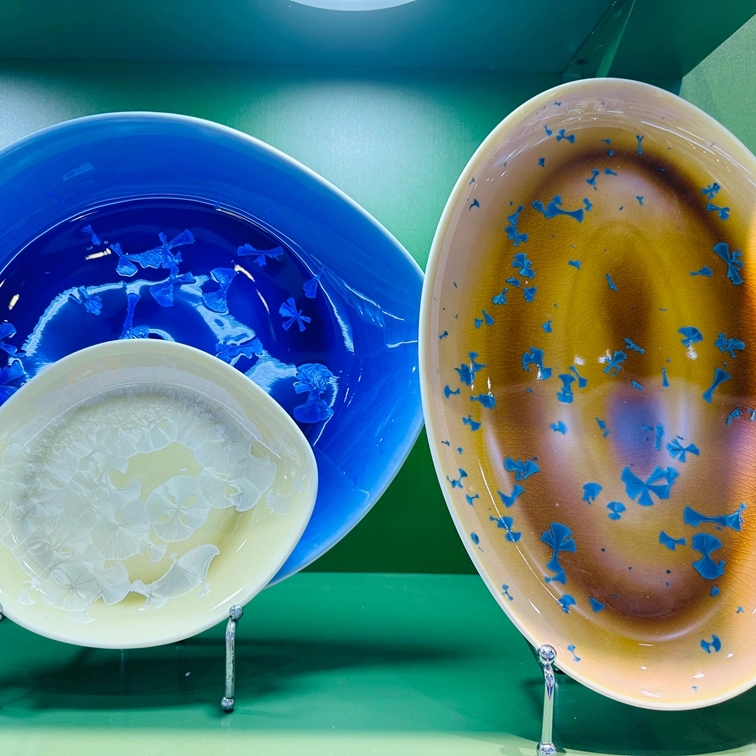
In this method, glaze slurry is poured directly onto the ceramic plate, allowing it to flow naturally.
- Advantages:
- Creates organic, artistic glaze textures
- Each piece has a unique appearance
- Disadvantages:
- Difficult to control glaze flow
- Risk of uneven accumulation
B2B application: Pouring glaze is mainly used for design-driven collections, limited editions, or brand statement products rather than standardized bulk orders.
Firing: Ensuring Glaze Performance and Stability
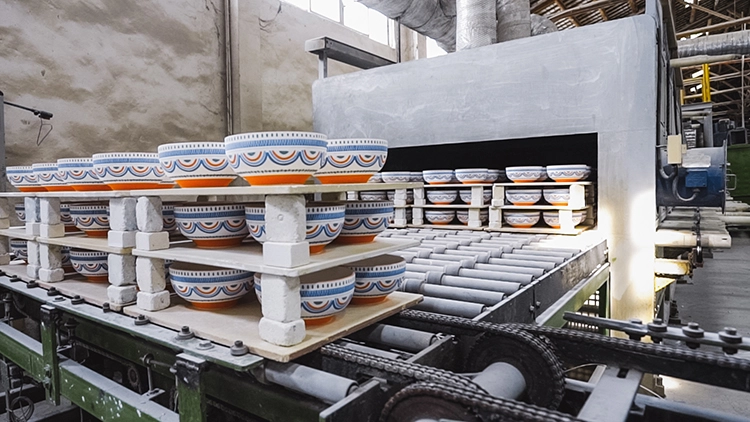
After glazing, ceramic plates must undergo high-temperature firing. This process allows the glaze to melt and bond firmly with the ceramic body, ensuring durability, food safety, and visual consistency.
Precise control of firing temperature and kiln conditions is essential to avoid defects such as pinholes, crawling, or color inconsistency—especially in large-scale production.
Future Trends in Ceramic Glazing Techniques
- Environmental and food safety compliance: Low-lead and low-cadmium glazes are increasingly used to meet international regulations.
- Customization and private labeling: Brands are demanding customized glaze colors, textures, and finishes to differentiate their product lines.
- Functional surfaces: Easy-clean, wear-resistant, and antibacterial glaze solutions are gaining popularity in hospitality and foodservice markets.
Lianyuan Ceramic’s Advantages in Ceramic Plate Glazing
Lianyuan has over 30 years of experience in ceramic manufacturing, supplying high-quality custom ceramic tableware to global B2B clients.
- Multiple glazing techniques, including dipping, spraying, pouring, hand-painting, and kiln-controlled firing
- Ceramic dinnerware OEM & ODM services with flexible customization of size, color, surface finish, patterns, and packaging
- Stable quality control to ensure consistency in bulk orders
- Professional support for hotels, restaurant groups, retailers, and wholesalers
Conclusion
Glazing plays a decisive role in both the appearance and functionality of ceramic dinnerwares. By selecting the appropriate glazing method, controlling firing conditions, and conducting proper quality inspections, manufacturers can produce ceramic plates that are visually appealing, food-safe, and suitable for long-term commercial use. For B2B buyers seeking durable, customizable, and scalable ceramic tableware solutions, understanding glazing techniques—and partnering with Lianyuan, an experienced manufacturer– is essential for successful sourcing and product development.