

Colorful ceramic dinnerware can make a dining table more attractive, but you can’t judge its safety by color or appearance alone. The key factors include raw material selection, glaze formulation, decoration techniques, firing conditions, and whether finished products have passed relevant food safety tests.
So, how can buyers determine whether a colorful ceramic dinnerware set wholesale is safe? What are the differences between common decoration techniques? And what should buyers look for when evaluating a Hersteller von Keramikgeschirr? This guide explores these questions from the perspectives of food contact safety, decoration processes, and supplier capabilities.
Where Do Ceramic Dinnerware Set Wholesale Colors Come From? Understanding Lead and Cadmium Risks
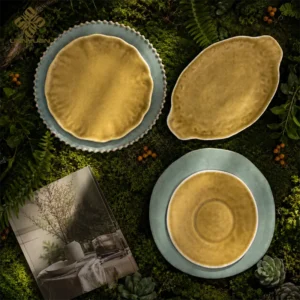
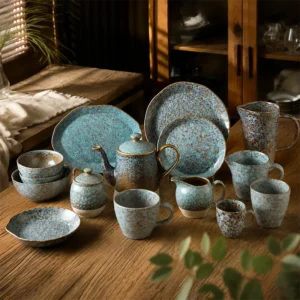
The colors of Großhandel für Keramik-Geschirr-Sets mainly come from ceramic pigments and glaze formulations used during manufacturing. By adjusting pigment compositions, glaze combinations, and firing techniques, manufacturers can produce a wide range of colors, including blue, green, black, and red.
For example, reactive glaze creates natural color variations, gradients, and distinctive surface textures through changes in the glaze during firing. This technique gives each piece a unique appearance and provides more design possibilities for brands developing differentiated dinnerware collections.
However, brighter colors do not necessarily mean that ceramic dinnerware is less safe. White dinnerware is not automatically safer than colorful products either. For colorful ceramic dinnerware, buyers should pay particular attention to the potential migration of heavy metals such as lead and cadmium.
Why Are Lead and Cadmium Important?
Some traditional ceramic glazes and decorative materials may contain lead or cadmium compounds to achieve specific colors and decorative effects. If material selection or manufacturing controls are inadequate, these substances may migrate from the finished product during food contact.
Modern ceramic manufacturing offers alternative pigments and glaze formulations. However, buyers should not assume that a product is safe simply because a supplier describes its materials as environmentally friendly. The following factors should be verified:
- Raw Material Selection: Whether the ceramic body, glaze, and pigments meet the applicable food contact requirements.
- Glaze Formulation: Whether glaze formulations and decorative materials are properly controlled.
- Firing Process: Whether firing temperatures and times are appropriate for the selected materials and decoration techniques.
- Migration Testing: Whether finished products have passed applicable lead and cadmium migration tests.
For example, EU Directive 84/500/EEC and its amendments establish requirements for lead and cadmium release from ceramic articles intended to come into contact with food. Buyers supplying the US market should also review applicable FDA requirements. Therefore, the safety of colorful ceramic dinnerware should be evaluated through material information, manufacturing controls, and relevant test reports rather than color, glaze appearance, or supplier claims alone.
Overglaze vs. In-Glaze vs. Underglaze: Which Decoration Is Better?
Decoration techniques influence not only the appearance and color of Großhandel für Keramik-Geschirr-Sets but also its surface texture, wear resistance, and performance during daily use. The three common ceramic decoration techniques are overglaze, in-glaze, and underglaze decoration.
Comparison of Three Ceramic Decoration Techniques
| Comparison | Aufglasur | In-Glasur | Unterglasur |
|---|---|---|---|
| Decoration position | On the fired glaze surface | Applied to the glazed surface before final firing | On the ceramic body beneath a transparent glaze |
| Brennvorgang | Additional firing after decoration | High-temperature firing integrates decoration with the glaze layer | Transparent glaze is applied before firing |
| Surface appearance | Decoration sits above the glaze | Decoration integrates with the glaze, creating a smooth surface | Decoration is protected beneath the glaze |
| Color performance | Suitable for detailed and colorful designs | Offers rich decorative effects and natural color presentation | Suitable for traditional and classic patterns |
| Dauerhaftigkeit | Depends on decorative materials and firing quality | Integration with the glaze helps improve wear and washing resistance | The glaze layer protects the decoration |
Each technique has its own characteristics. Actual results depend on pigment selection, glaze formulation, firing conditions, and product design. Importantly, no decoration technique automatically guarantees food contact safety. All three require appropriate materials and finished-product testing.
Why Does Lianyuan Use In-Glaze Decoration?
For ceramic dinnerware that needs to balance decorative appeal and everyday performance, in-glaze decoration is a valuable manufacturing option. Lianyuan ist spezialisiert auf custom in-glaze decal tableware. The process involves applying decorative decals to the glazed ceramic surface before high-temperature firing. During firing, the decorative materials integrate with the glaze layer, creating a smooth surface with lasting decorative effects.
- 1. Integration of Decoration and Glaze: rather than simply remaining on top of the finished surface. This helps reduce decoration peeling during normal use.
- 2. Smooth Surface for Everyday Use: The resulting surface is smooth and suitable for ceramic dinnerware designed for regular use, where convenient cleaning and surface durability are important considerations.
- 3. Lasting Colors for Product Collections: Different patterns, colors, and decorative designs can be developed to create floral, botanical, modern, and other styles of dinnerware. This gives brands more flexibility when building distinctive product collections.
- 4. Customization for Bulk Production: Lianyuan supports adjustments to patterns, colors, and brand designs according to customer requirements. Production process control also helps maintain consistent decorative results across bulk orders.
It is important to note that in-glaze decoration alone does not automatically mean a product is lead-free, cadmium-free, or compliant with food contact standards. Safety still needs to be verified through the specific pigments, glazes, and finished-product migration test results. If you are developing ceramic dinnerware with durable decorative requirements, explore Lianyuan’s In-Glaze Decal Tableware Custom Service to learn more about the process and customization options.

How Can Buyers Check Whether Colorful Ceramic Dinnerware Is Safe?
- Check Food Safety Test Reports:Reliable suppliers should be able to provide relevant test reports based on the product and target market requirements. Common tests for ceramic dinnerware include lead and cadmium migration testing.
- Inspect the Surface Quality: High-quality ceramic dinnerware should have a smooth, even, and intact glaze. Avoid using dinnerware with visible cracks, chipped glaze, or other damage.
- Choose a Reliable Manufacturer: Experienced ceramic dinnerware manufacturers focus on raw material quality, firing processes, and final product inspections to ensure consistent quality and safety.
- Confirm Suitable Usage Conditions: If you plan to use ceramic dinnerware in a microwave or dishwasher, make sure it is specifically designed for these purposes. Food contact safety does not automatically mean that dinnerware is microwave-safe or dishwasher-safe.
Ceramic Dinnerware Safety Tests: What Should Buyers Watch For?
For ceramic dinnerware sold in the US and European markets, testing should be selected according to the product type, intended use, and destination market.
- Lead and Cadmium Migration Testing: This evaluates whether lead or cadmium is released from ceramic products under specified testing conditions. ISO 6486-1:2019 provides relevant testing methods, while EU Directive 84/500/EEC and applicable FDA requirements should be considered when preparing products for different markets.
- Glaze Integrity Inspection: Manufacturers should check glaze surfaces for defects such as crazing, peeling, pinholes, and cracks. These issues can affect product appearance and long-term use, particularly when damage occurs on food-contact surfaces.
- Dishwasher Resistance Testing: For products intended for repeated washing, testing helps evaluate whether colors, surface gloss, and decorative patterns remain stable after cleaning. This test is different from lead and cadmium migration testing and cannot replace it.
During actual use, buyers should also consider product condition and intended applications. Dinnerware with severely cracked or damaged food-contact surfaces should no longer be used, while products intended for microwave, oven, or dishwasher use should follow the manufacturer’s confirmed instructions.
How Does Lianyuan Support Safe, Customized Ceramic Dinnerware Production?
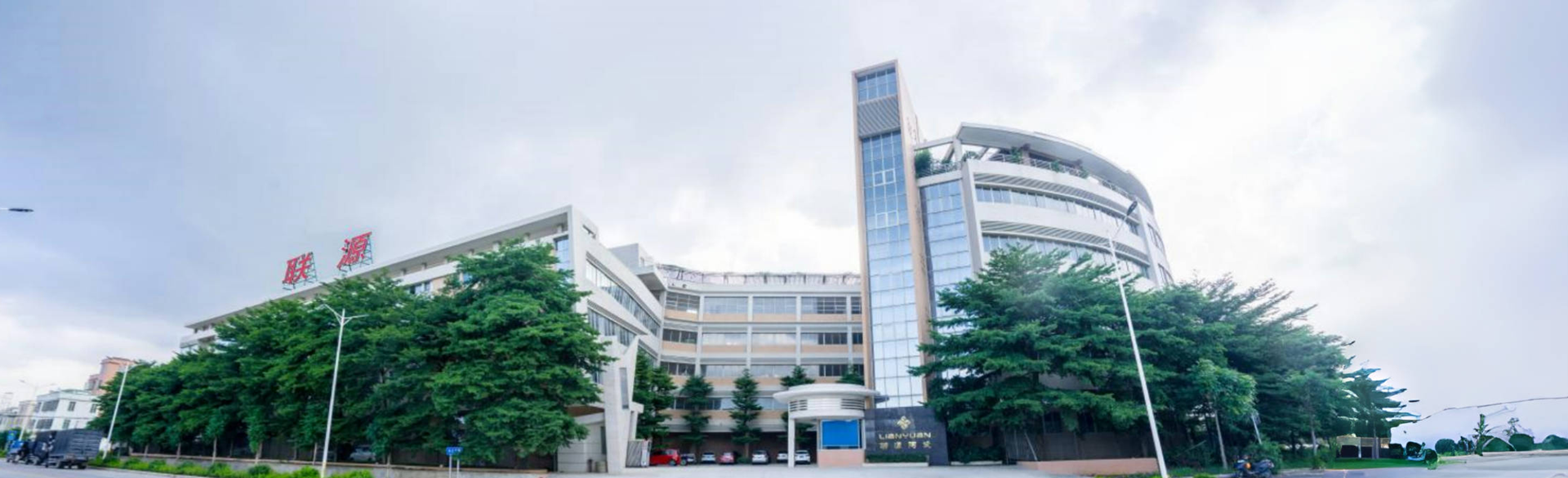
After understanding the material, decoration, and testing requirements, buyers also need to evaluate whether a manufacturer can manage these processes in actual production. Founded in 1993, Lianyuan Ceramic has more than 30 years of ceramic manufacturing experience, providing wholesale supply and OEM/ODM services for international importers, wholesalers, and brands.
Material Selection and Decoration Capabilities
Lianyuan offers porcelain, stoneware, bone china, heat-resistant ceramics, and Dolomite. Buyers can select suitable materials according to product positioning, appearance, and intended applications. The factory also conducts sampling inspections of raw materials such as clay and glazes before production to help control material quality.
For product decoration, Lianyuan supports in-glaze decals, hand painting, kiln-fired decoration, and carved relief. Its in-house mold development and production equipment also support customized product shapes, patterns, and colors, helping brands develop distinctive dinnerware collections.


Production Control and Quality Inspection
Lianyuan‘s production facilities include automated forming equipment, glazing machines, mold processing equipment, and kilns with computerized temperature and firing-time controls. These facilities support the production process from forming and decoration to kiln firing.
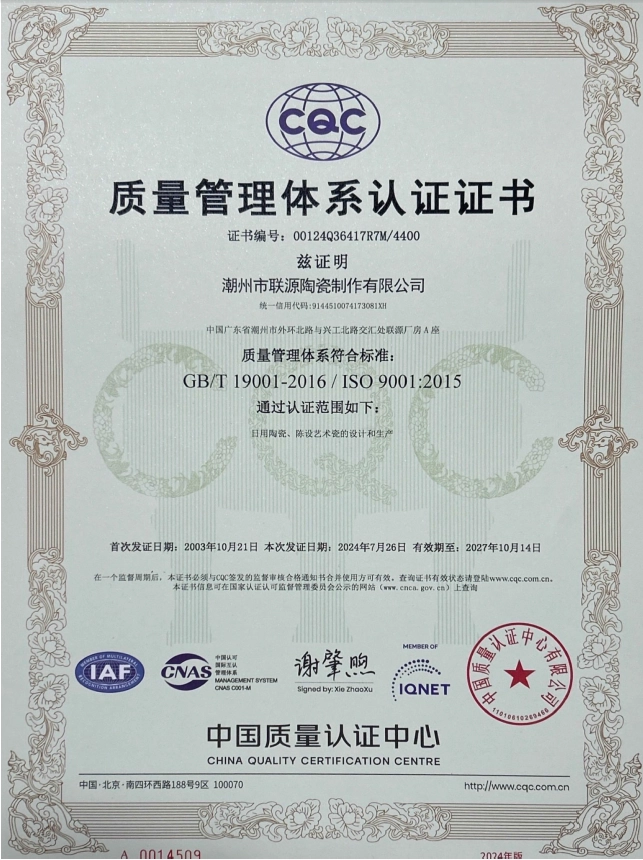
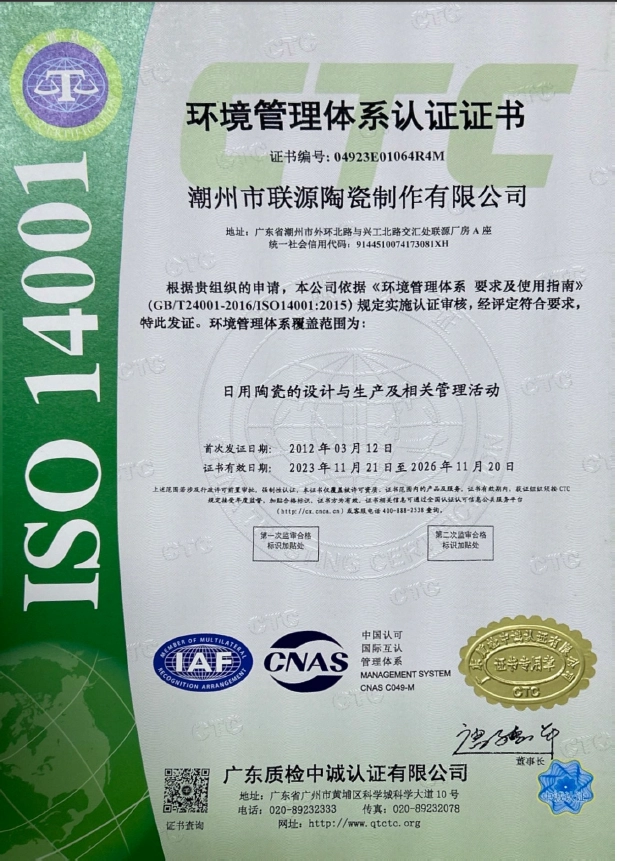
Quality control covers raw material inspection, forming, decoration, firing, finished-product inspection, and pre-packaging checks. Lianyuan’s website also displays ISO 9001, ISO 14001, and SA8000 management-related certifications, alongside food contact and compliance documents such as LFGB, FDA, CIQ, and relevant EU documentation.
Management certifications and product testing reports serve different purposes. Buyers can confirm the applicable food contact reports according to their actual product models, materials, decoration techniques, and destination markets before placing orders.
OEM/ODM Customization and Bulk Supply
Beyond manufacturing standard products, Lianyuan supports customized development covering product shapes, dimensions, colors, patterns, logos, and packaging. Its design and mold development capabilities help customers turn reference images or product concepts into production-ready designs.
From design confirmation and mold development to sample approval, bulk manufacturing, and quality inspection, Lianyuan coordinates the production process according to customer requirements. This provides importers, wholesalers, and private-label brands with manufacturing support for developing and expanding their ceramic dinnerware ranges.

Discuss Your Custom Tableware Project with Lianyuan
Whether you are sourcing Großhandel mit Keramikgeschirr, developing a private-label collection, or looking for a long-term manufacturing partner, Lianyuan can discuss suitable materials, decoration processes, product specifications, and production requirements for your project.
Share your product requirements, reference images, and estimated order quantity to receive a factory-direct manufacturing proposal.
Looking for a Reliable Ceramic Tableware Manufacturer? Contact Lianyuan Today for OEM/ODM Support and a Factory-Direct Wholesale Quote.