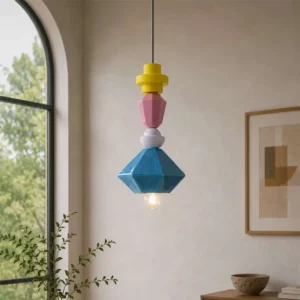


Choosing the wrong ceramic forming process can lead to inconsistent quality, higher breakage rates, delayed delivery, and increased sourcing costs. Many buyers struggle to understand the real differences between roller pressing, high-pressure forming, and slip casting when sourcing ceramic dinnerware. As a leading ceramic tableware manufacturer with over 30 years of industry experience, Lianyuan explains how each production method impacts durability, design flexibility, MOQ, lead times, and overall procurement efficiency.
Roller Pressing (Automatic / Semi-Automatic) Ceramic Tableware Manufacturing Process
Process Principle
Roller pressing is a highly efficient method where prepared clay is placed onto a rotating plaster mold and shaped precisely by a mechanical rolling wheel or template.
Key Advantages for B2B Procurement
- Uniform Thickness & High Consistency: Roller pressing ensures exact, consistent wall thickness across large production runs, reducing defective rates.
- Mass Production Efficiency: This process is highly automated, dramatically speeding up manufacturing cycles to meet urgent, large-scale commercial orders.
- High Raw Material Utilization: It minimizes clay waste during production, which directly lowers the unit manufacturing cost.
Limitations
- Design Limitations: It is strictly limited to symmetrical designs and cannot produce complex curves, hollow structures, or irregular geometric shapes.
- Low Flexibility: Modifying dimensions mid-project is difficult once the mechanical rolling rollers are set.
Ideal Product Categories
Standard round and square plates, shallow bowls, hotel dinnerware, and standard coffee cups. At Lianyuan, roller pressing is commonly used for high-volume hotel dinnerware projects requiring consistent thickness and stackability.
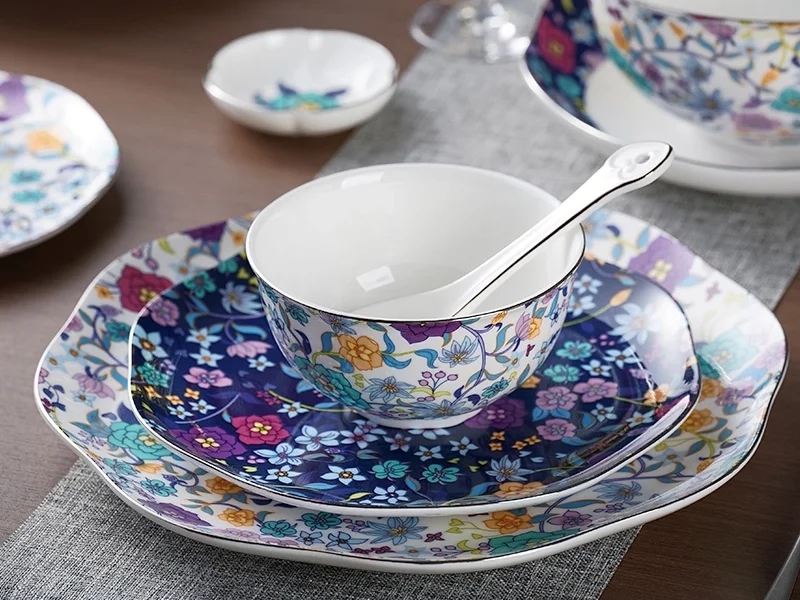
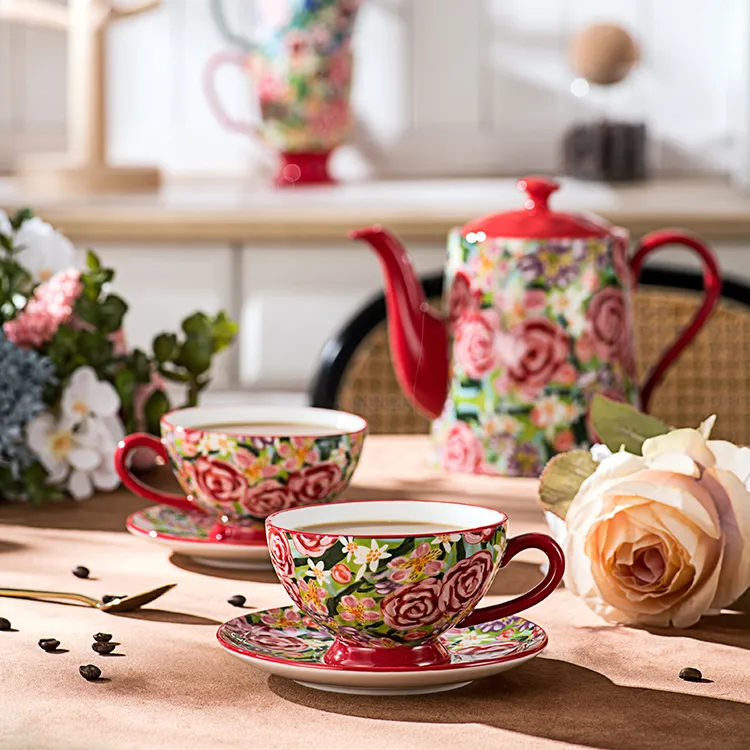
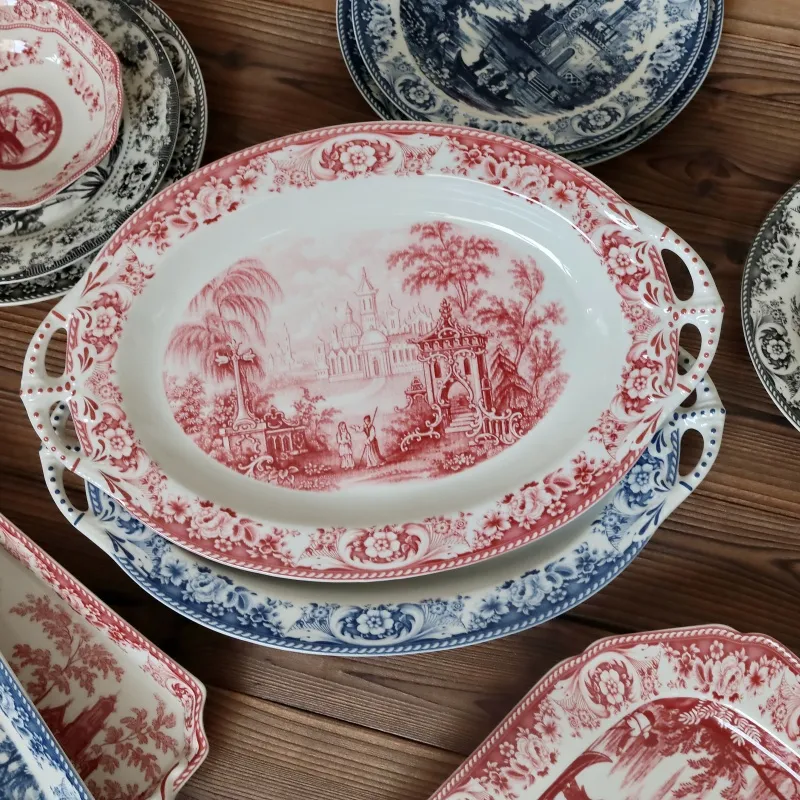
High-Pressure Forming (Isostatic/Pressure Casting) for Premium Ceramic Dinnerware
Process Principle
In this advanced technique, a hydraulic system injects liquid ceramic slurry under immense pressure (often reaching tens of tons) into high-strength, porous resin molds. The pressure rapidly forces out moisture, leaving a tightly compacted, high-density greenbody.
Key Advantages for B2B Procurement
- Superior Mechanical Strength: The extreme compression creates a high-density body with exceptional crack resistance and durability after firing—perfect for heavy-duty commercial restaurant use.
- Flawless Surface Finish: This process drastically reduces surface pores and defects, providing an ideal canvas for flawless glazing, logo printing, and intricate decal applications.
- High Precision for Complex Textures: Relief patterns, carved borders, and sharp geometric angles can be accurately replicated every single time.
Limitations
- High Initial Mold Cost: Resin molds are expensive to engineer and manufacture, making this process best suited for long-term, stable, or large-volume OEM/ODM orders.
Ideal Product Categories
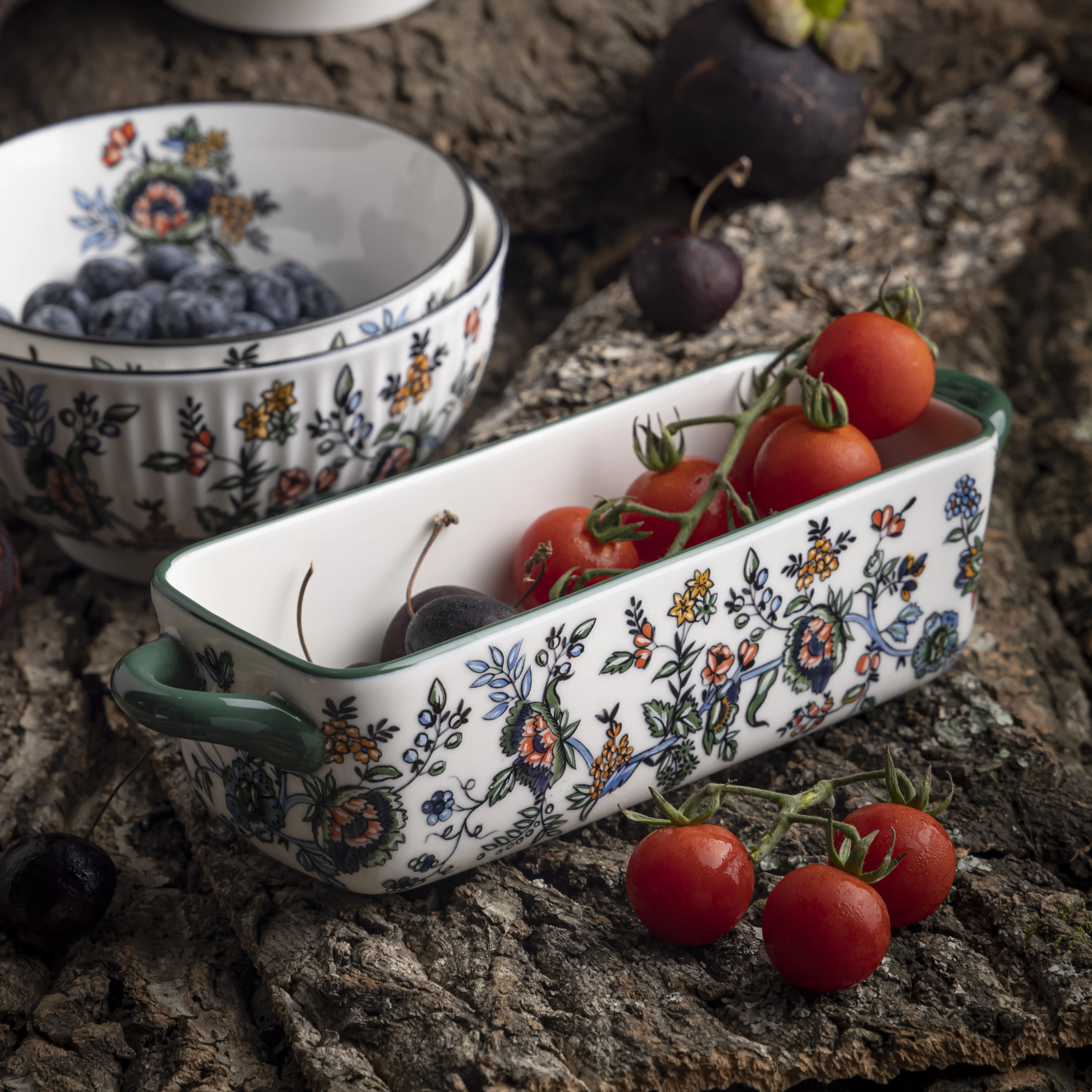
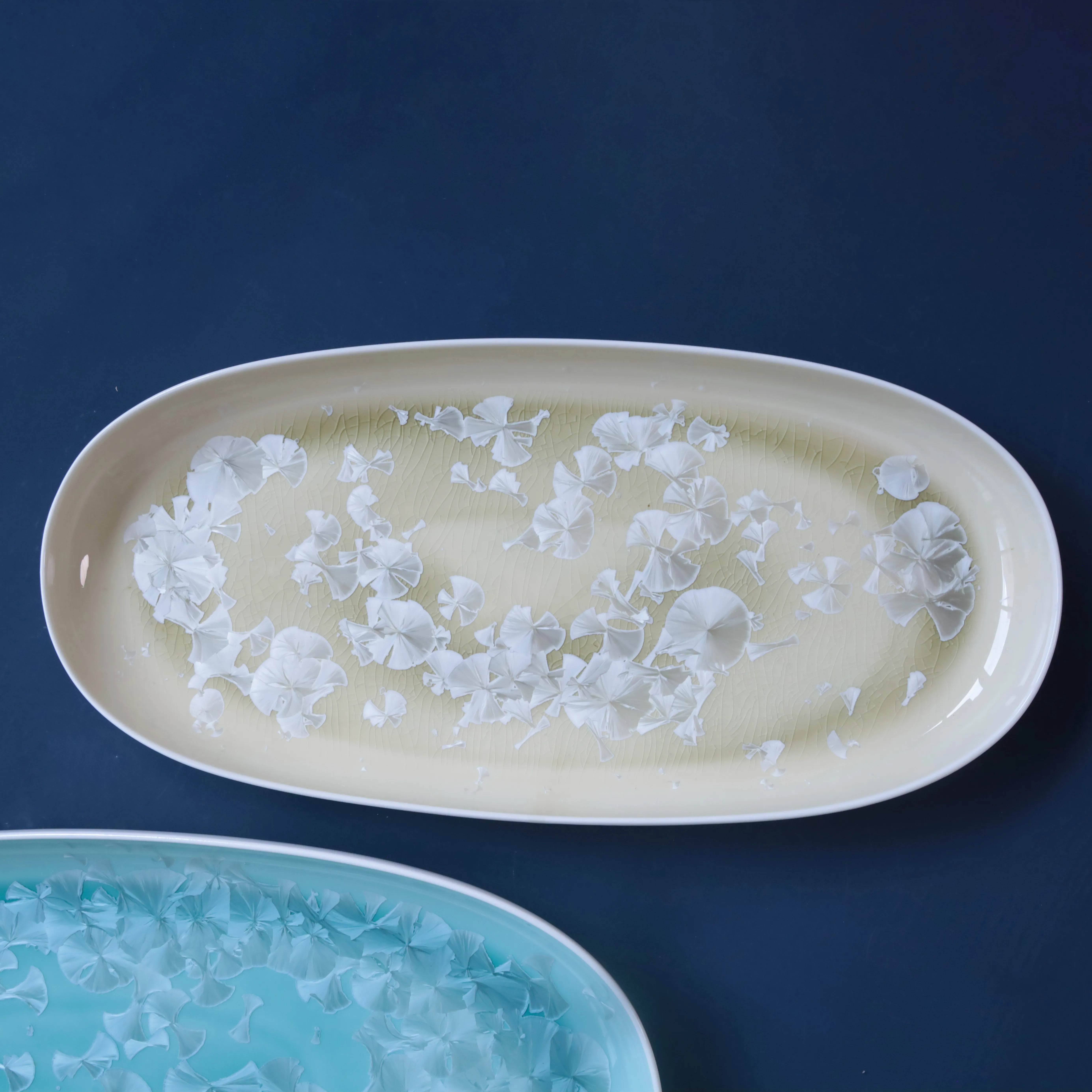
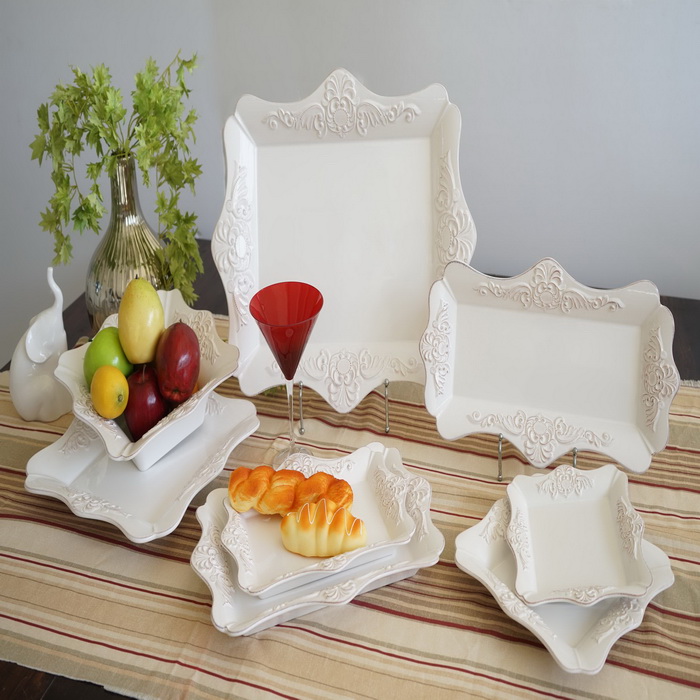
Premium rectangular or oval platters, textured dinnerware, embossed chargers, and complex geometric hotel plates. For embossed restaurant plates, our pressure forming lines help maintain sharp texture details even after high-temperature firing.
Slip Casting (Traditional & Enhanced) for Custom Ceramic Tableware
Process Principle
Slip casting involves pouring liquid ceramic slurry into a porous plaster mold. The mold absorbs water from the slurry, causing a layer of clay to deposit onto its inner surfaces. Once the desired thickness is achieved, excess slurry is drained out, leaving a hollow piece to dry and demold.
Key Advantages for B2B Procurement
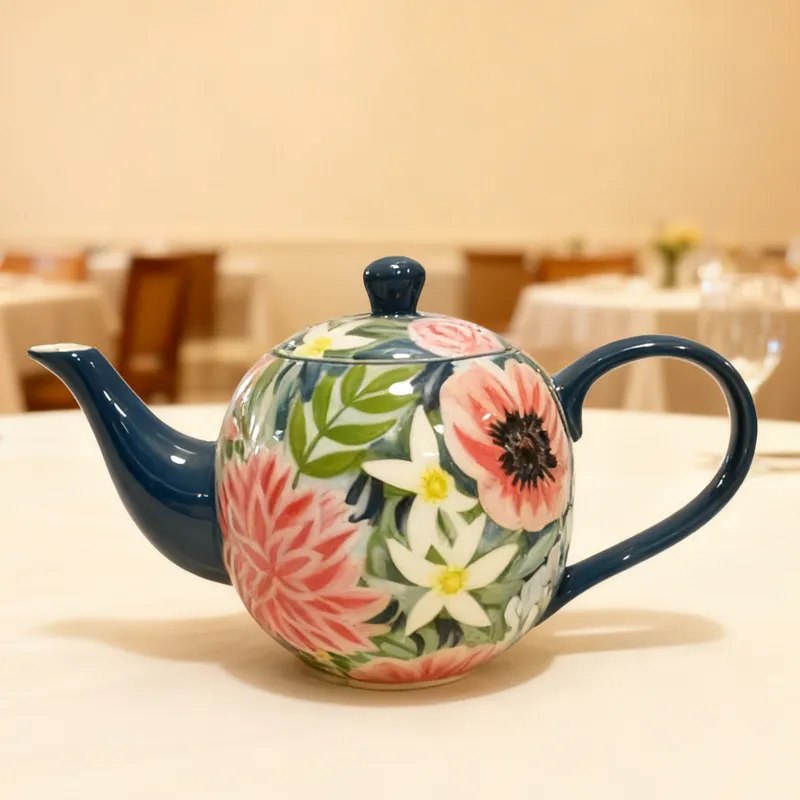
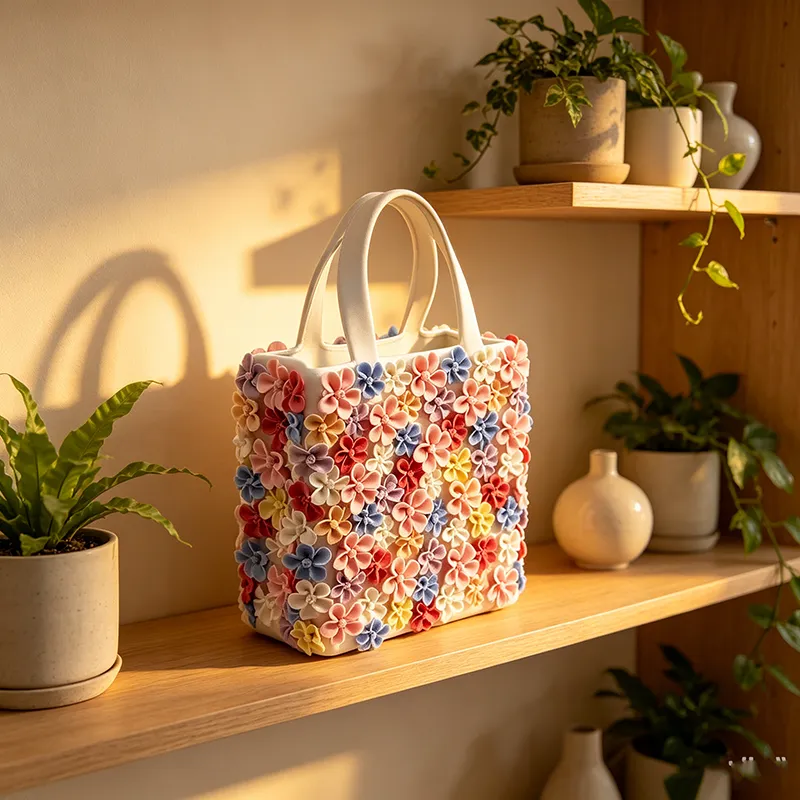
- Unmatched Shape Complexity: This is the only viable method for producing highly intricate, non-symmetrical, and hollow shapes, such as teapots or artistic decor.
- Cost-Effective Tooling for Small Batches: Plaster molds are relatively inexpensive to develop, making slip casting exceptionally flexible for low-MOQ startups, custom sample prototyping, and boutique customization.
Limitations
- Extended Production Cycle: The process relies heavily on natural drying times and skilled manual labor, leading to longer lead times.
- Higher Unit Costs for Mass Volume: Due to the manual nature of de-molding and finishing, the labor cost per piece remains high for large orders.
Ideal Product Categories
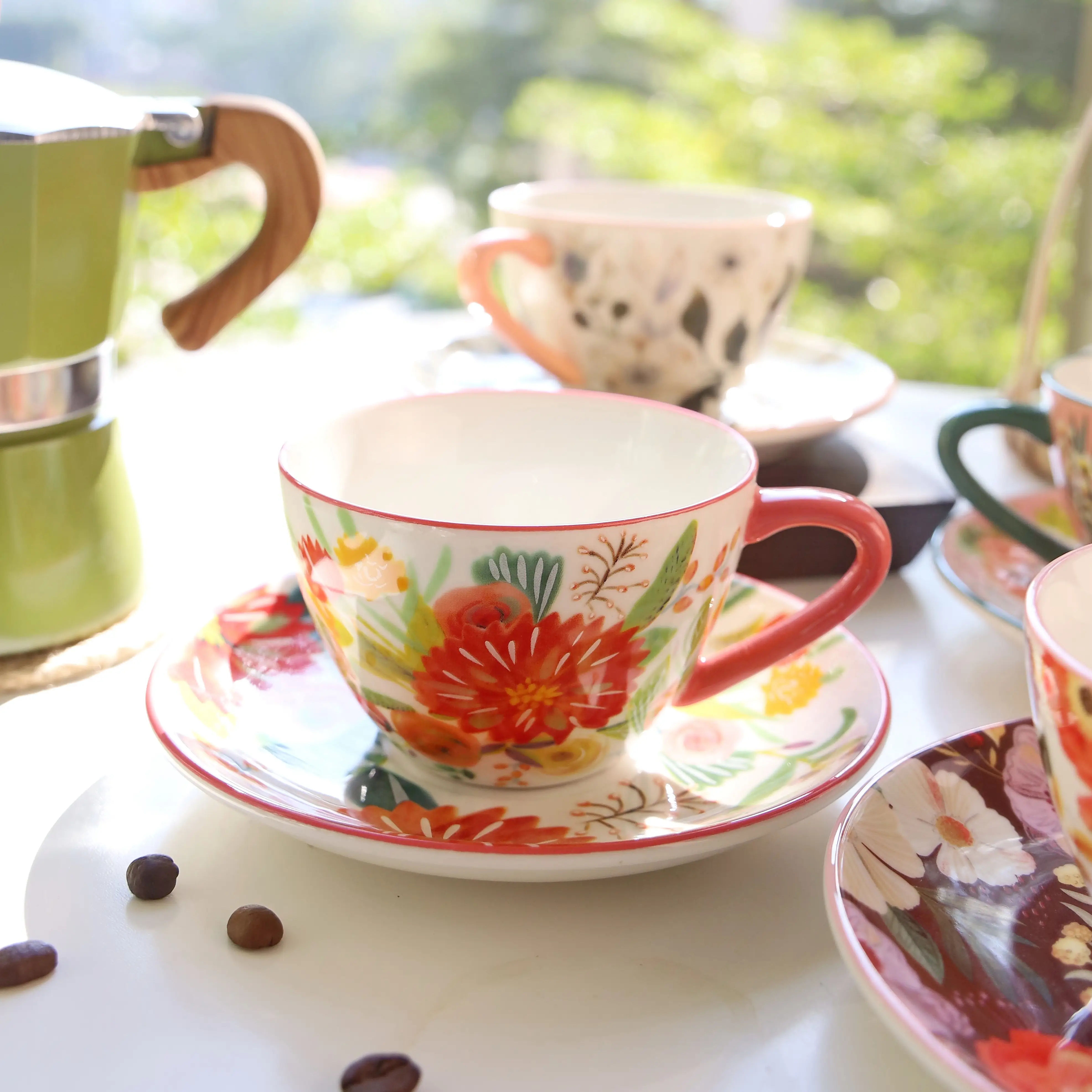
Hollow ceramic mugs, custom teapots, creative serving bowls, uniquely shaped vases, table lamps, and high-end custom corporate ceramic gifts.
Comprehensive Comparison Table for Sourcing Managers
To help your procurement team make data-driven decisions, here is a quick-reference guide comparing efficiency, cost structures, and shape capabilities:
| Forming Process | Key Procurement Advantages | Main Technical Limitations | Best Application Shapes | Production Speed & Volume Suitability |
| Roller Pressing | Uniform thickness, high material utilization, and the lowest unit cost | Restricted to simple, symmetrical designs | Round plates, square plates, standard mugs | Fast Best for massive-scale standard orders |
| High-Pressure Forming | Maximum density, flawless surface, high-precision textures | High initial mold development cost | Rectangular, oval, embossed, and geometric plates | Fast Best for medium-to-large high-end orders |
| Slip Casting | Unlimited shape complexity, low-cost mold development | Longer lead times, higher manual labor dependency | Hollow cups, teapots, creative tableware, custom gifts | Slow to Medium Best for custom, artisan, or small-batch runs |
FAQ About Ceramic Tableware Manufacturing
What is the strongest ceramic forming process?
High-pressure forming is generally considered the strongest ceramic forming process. The high compression force creates a dense ceramic body with improved durability, crack resistance, and structural stability after firing. It is widely used for premium hotel and restaurant tableware that requires long-term commercial performance.
Which ceramic forming method is best for hotel dinnerware?
Roller pressing and high-pressure forming are both ideal for hotel dinnerware production. Roller pressing is suitable for large-volume standard plates and bowls with consistent thickness, while high-pressure forming is preferred for premium hotel collections with embossed textures, geometric designs, or enhanced durability requirements.
Is slip casting suitable for mass production?
Slip casting is not the most efficient choice for large-scale mass production because the process relies more on manual handling and longer drying times. However, it is highly suitable for customized ceramic products, artistic tableware, hollow structures, and small-batch OEM projects that require complex shapes.
What is the difference between pressure casting and roller pressing?
The main difference lies in product complexity and body density. Roller pressing is designed for fast production of simple symmetrical shapes like round plates and standard bowls. High-pressure forming uses hydraulic pressure to create denser ceramic bodies and supports more intricate textures, sharper edges, and premium surface finishes.
Which process is better for custom ceramic tableware?
Slip casting is usually the best option for highly customized ceramic tableware because it supports irregular, artistic, and hollow shapes with lower mold development costs. For customized products that also require high consistency and large-volume production, high-pressure forming may be a better long-term manufacturing solution.
Conclusion: Partner with a Versatile Ceramic Manufacturer
Understanding the nuances of these ceramic forming processes allows sourcing managers to optimize budget allocation without sacrificing product durability or design aesthetics. Selecting a supplier equipped with multi-process manufacturing capabilities is the best way to safeguard product quality, reduce supply chain risks, and meet diverse market demands.
Why Choose Lianyuan Ceramic?
Established in 1993, Lianyuan brings over 30 years of verified manufacturing expertise to the global market. We specialize in the production and wholesale supply of premium ceramic tableware, home decor, and ceramic table lamps for high-end restaurants, luxury hotels, and global catering distributors.
By mastering all three forming processes, from high-efficiency roller pressing to high-precision pressure forming and intricate slip casting, we offer versatile OEM & ODM customization services tailored to your exact brand specifications. Are you ready to elevate your hospitality brand or retail lineup? Contact Lianyuan to receive a free catalog, get expert mold-cost budgeting, or request custom samples for your business!