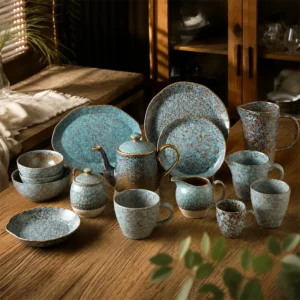


Choosing the right coffee cup size affects beverage quality, customer experience, and café operations. From espresso cups to latte cups, different coffee drinks require different capacities. Lianyuan outlines common coffee cup sizes used in commercial markets, compares different cup materials, explains regional size preferences, and highlights key sourcing considerations for B2B coffee cup buyers.
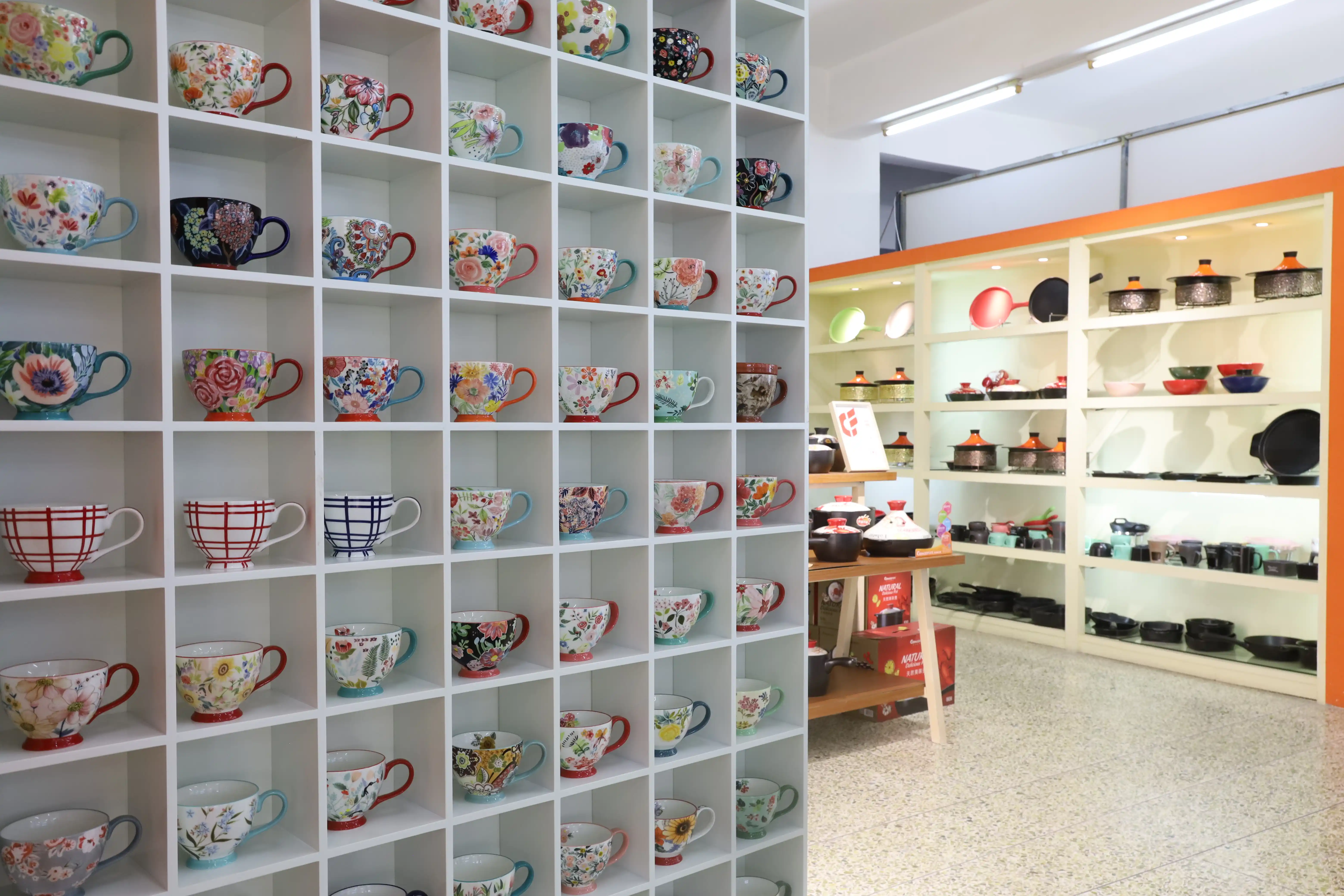
Standard Coffee Cup Sizes and Commercial Applications
Different coffee beverages require different cup capacities. Below are the most commonly used coffee cup sizes in foodservice and retail markets, along with their typical applications.
| Coffee Type | Recommended Size | Capacity | Best For |
|---|---|---|---|
| Espresso | Small cup | 50-70ml | Specialty coffee |
| Cortado | Small cup | 120-150ml | Strong milk coffee |
| Cappuccino | Medium cup | 150-200ml | Café service |
| Latte | Large cup | 250-350ml | Milk-based drinks |
| Americano | Large cup | 280-350ml | Takeaway & restaurants |
1.7–2.4 oz (50–70 ml) – Espresso Cups
This small capacity is designed specifically for espresso. The compact size helps preserve aroma and crema, making it the standard choice for espresso cups used in specialty cafés and premium coffee brands.
Typical purchasers:
- Espresso-focused cafés
- Coffee training centers
- Specialty coffee brands
5–8.5 oz (150–250 ml) – Small Coffee Cups
This size is often used for lighter coffee drinks or diluted espresso-based beverages. It allows more water while maintaining balance, making it suitable for customers who prefer a milder taste.
Typical buyers:
- Casual cafés
- Office coffee service providers
- Entry-level retail collections
6.8–12 oz (200–350 ml) – Latte & Cappuccino Cups
One of the most popular sizes in commercial coffee service. This range accommodates milk foam and espresso portions, making it ideal for latte cups and cappuccino cups.
Typical purchasers:
- Café chains
- Specialty coffee shops
- Retail brands targeting home baristas
4. 9.5–11.8 oz (280–350 ml) – Americano Cups
Americanos are milder and usually served in larger volumes. Cups in this range are widely used in international markets, especially for takeaway and dine-in coffee service.
Typical purchasers:
- International café brands
- Restaurants and hotels
- Wholesale distributors
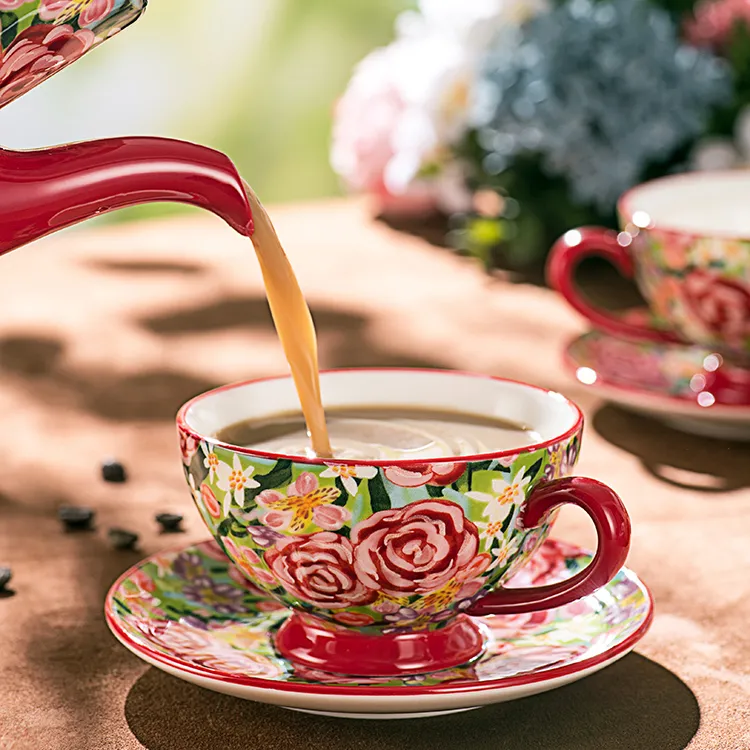
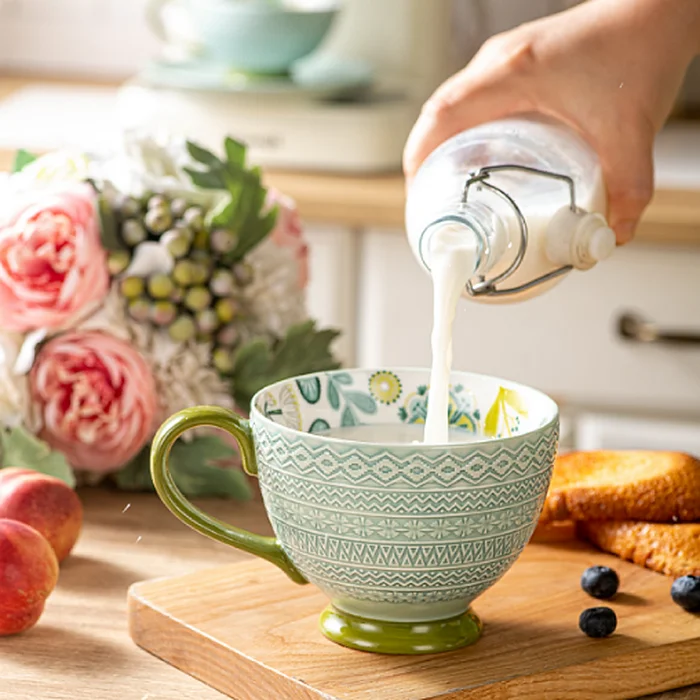
Coffee Cup Materials: Why Ceramic Is the Preferred Choice?
For B2B coffee cup sourcing, material selection directly affects durability, cost efficiency, and brand perception.
Common Coffee Cup Materials
Ceramic Coffee Cups
Ceramic offers excellent heat retention, a premium tactile feel, and strong design flexibility. It is the most widely used material for both foodservice coffee cups and retail coffee cup collections.
Glass Coffee Cups
Glass highlights coffee layers and visual appeal but has weaker heat retention, making it more suitable for specialty or display-focused use.
Metal Coffee Cups
Lightweight and durable, but high thermal conductivity can affect drinking comfort. Often used for travel or outdoor scenarios.
Paper Cups
Mainly used for takeaway and single-use applications, common in large-volume coffee chains.
From a wholesale and branding perspective, ceramic coffee cups remain the most stable and versatile option for long-term commercial use.
How to Choose the Right Coffee Cup Size for Your Business?
When sourcing coffee cups in bulk, professional b2b buyers should consider the following factors:
Usage Scenario
- Dine-in cafés prioritize comfort, heat retention, and presentation
- Retail brands focus on design consistency and shelf appeal
- Hotels and restaurants require durability and standardized sizing
Capacity Planning
Larger cups suit milk-based drinks and longer consumption time, while smaller cups emphasize aroma and intensity. Many buyers select multiple sizes to cover different menu items.
Material & Finish
Ceramic tableware is preferred for its balance of functionality, durability, and customization potential, including logos, glazing, and surface textures.
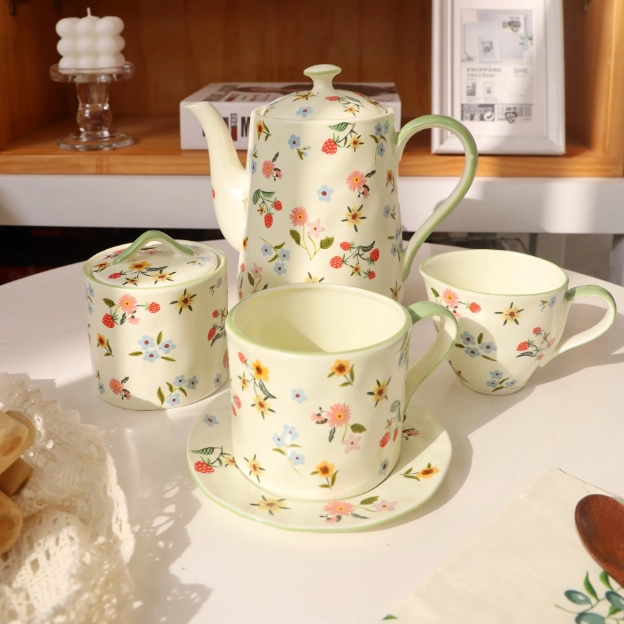
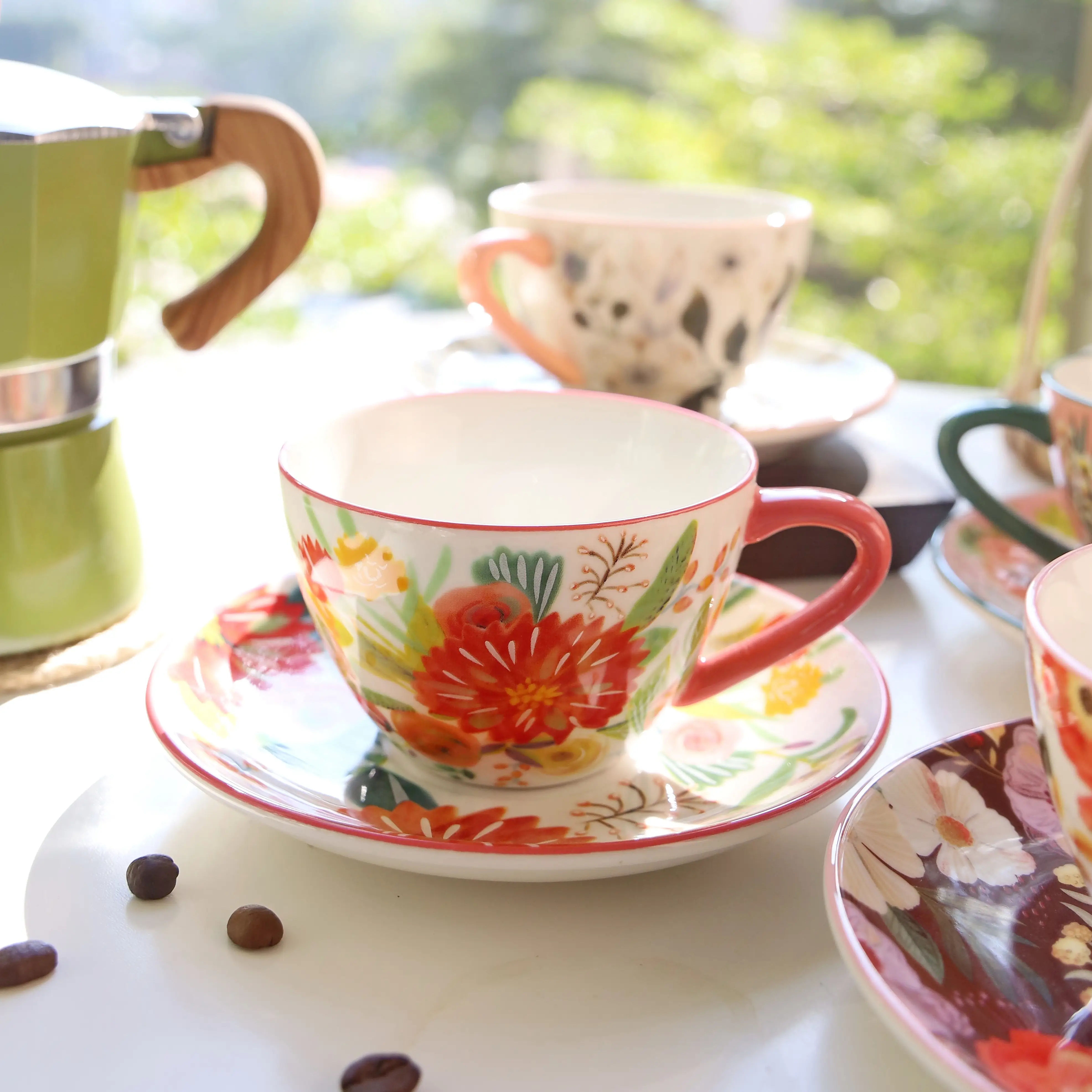
Common Coffee Cup Sizes by Market and Region
Understanding regional preferences helps buyers plan export-ready coffee cup collections.
- Italy: Espresso-focused culture. Standard cup size is 25–30 ml (1 oz).
- United States: Preference for larger servings. Common sizes range from 240–355 ml (8–12 oz).
- Europe: Many markets favor 180–240 ml (6–8 oz) cups for cappuccino and café service.
- Australia: 240 ml (8 oz) is widely used for cappuccinos and flat whites.
- Japan: Smaller cups around 180 ml (6 oz), reflecting a preference for concentrated flavor.
For wholesale coffee cup buyers, offering region-specific or multi-size collections improves market adaptability.
FAQ about Coffee Cup Size Selection for Your Business
What is the standard coffee cup size for cafés?
The standard coffee cup size for cafés depends on the type of beverage served. Espresso cups are usually around 50–70ml, cappuccino cups are commonly 150–200ml, while latte and Americano cups are often 280–350ml. Many cafés choose multiple sizes to match different coffee recipes and customer preferences.
What size cup is best for a latte?
A typical latte cup size is between 250ml and 350ml. Larger cups provide enough space for espresso, steamed milk and milk foam while maintaining the right coffee-to-milk balance. For cafés, 300ml ceramic latte cups are a popular choice for daily service.
How many coffee cup sizes does a café need?
Most cafés do not need too many cup sizes. A practical selection usually includes espresso cups (50–70ml), cappuccino cups (150–200ml), latte cups (250–350ml), and larger cups for specialty drinks or takeaway beverages. The ideal combination depends on the menu, serving style and target customers.
Are ceramic cups better for serving coffee?
Yes. Ceramic coffee cups are widely used in cafés because they provide good heat retention, a comfortable drinking experience and a premium appearance. Compared with disposable cups, ceramic cups also support a more sustainable and branded café experience.
What coffee cup size should I choose for wholesale orders?
Wholesale buyers should consider beverage types, customer preferences, tableware style and storage efficiency. Many cafés start with a combination of popular sizes such as 80ml espresso cups, 180ml cappuccino cups and 300ml latte cups. Working with a ceramic cup manufacturer also allows customization of capacity, shape, color and logo.
Can ceramic coffee cups be customized with logos?
Yes. Many ceramic coffee cup manufacturers offer OEM customization, including logo printing, color customization, shape development and packaging solutions. Custom cups help cafés, restaurants and coffee brands create a consistent visual identity.
Custom Ceramic Coffee Cups for Cafés & Brands from Manufacturer
Founded in 1993, Lianyuan is a professional ceramic tableware manufacturer specializing in wholesale and customized ceramic coffee cups for global markets.
Our Advantages:
- Standard and customized coffee cup capacities
- OEM & ODM ceramic coffee cup services
- Flexible options in shape, glaze, color, and logo decoration
- Stable bulk production and consistent quality control
- Long-term supply solutions for retail and foodservice channels
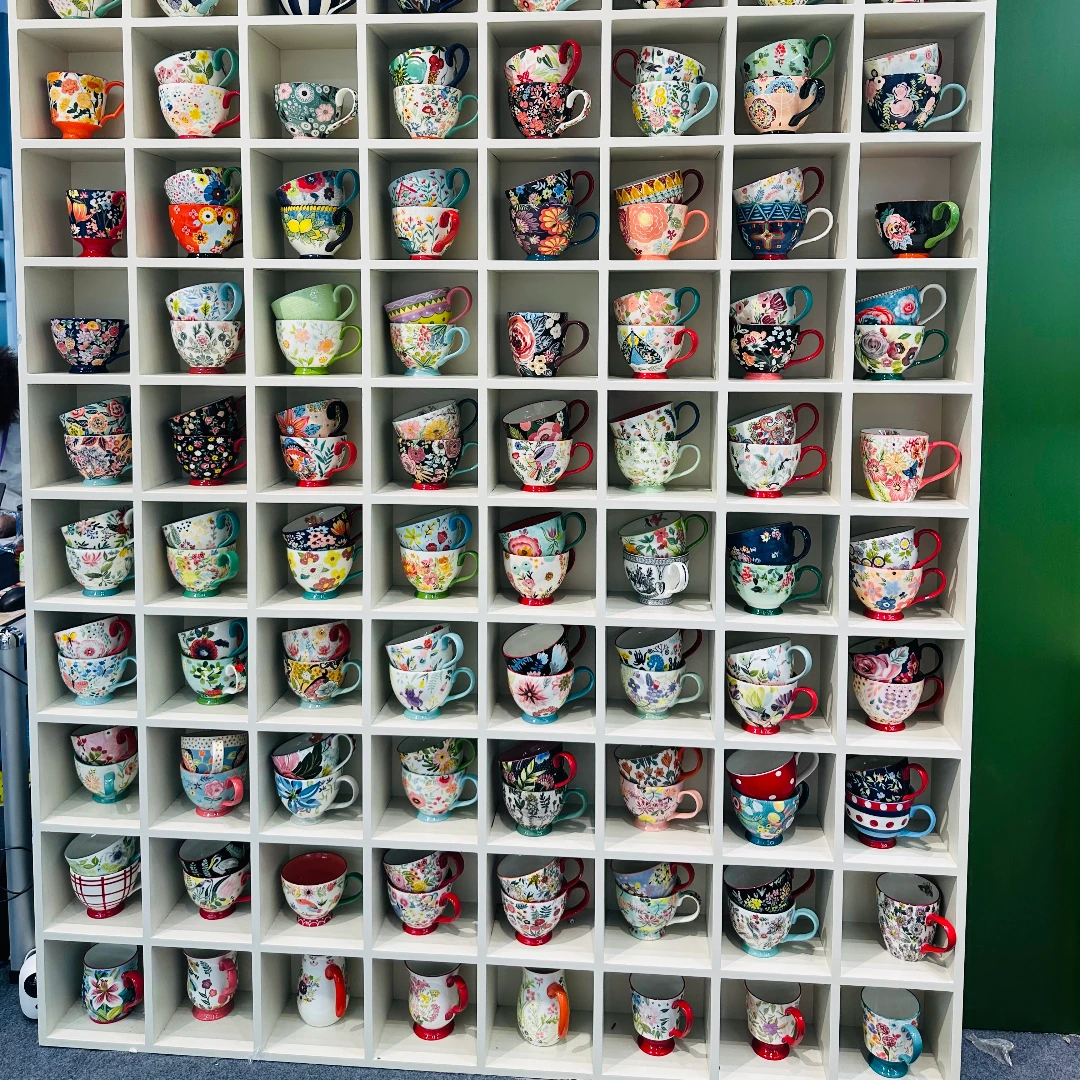
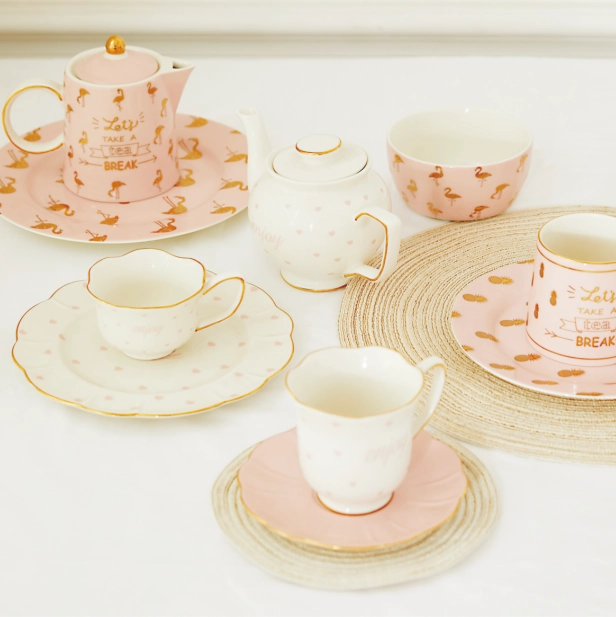
Our custom ceramic coffee cups are widely used by coffee brands, retail chains, hospitality groups, and wholesalers worldwide.
Conclusion
Selecting an appropriate coffee cup size is essential for ensuring a consistent coffee experience and strengthening brand identity. For cafés, brands, and wholesale buyers, cup size selection should align with beverage types, usage scenarios, and target markets. With durability, customization flexibility, and stable production capacity, ceramic coffee cups remain the preferred choice for commercial use. From size selection to OEM production, Lianyuan provides customized ceramic coffee cups with flexible shapes, colors and logo options for cafés, restaurants and distributors. Contact us to get professional coffee cup size recommendations for your business!